
Industrial Water Reuse in Surface Finishing
This article explains closed-loop industrial water reuse in surface finishing operations and how the ENVIRO1000 system supports EU water-efficiency and circular-economy objectives.
August 19, 2026



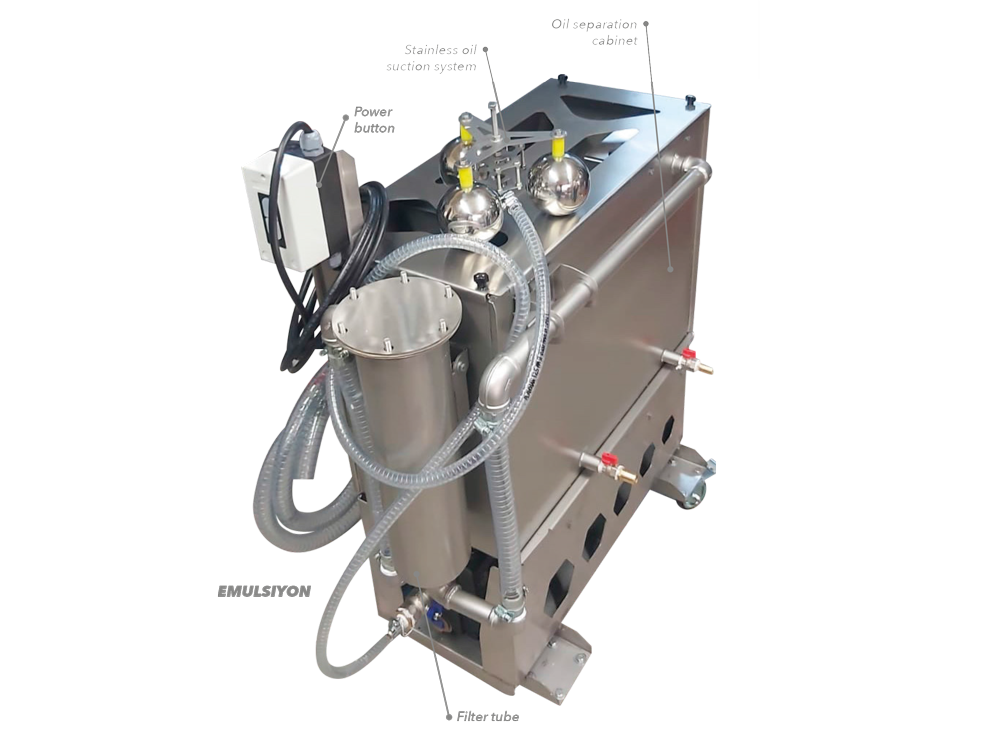
Continuous circulation oil separation system.
Separated foreign oils from boron oil by 90% in a short time.
FOR DETAILED INFORMATION, YOU CAN CONTACT US ON WHATSAPP.
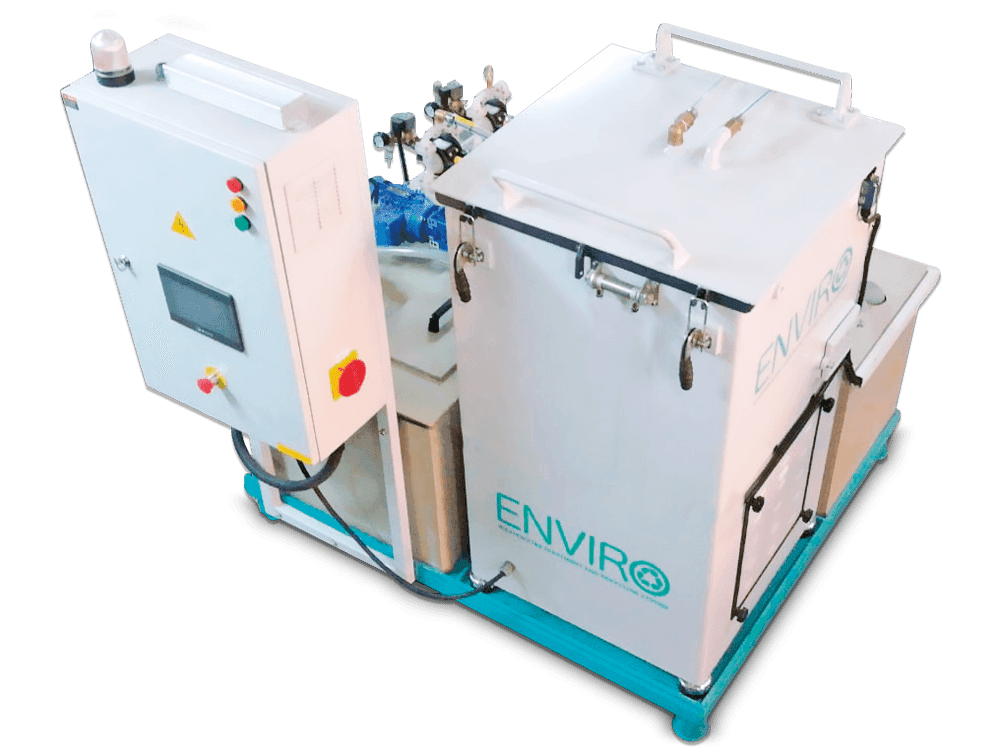
This article explains closed-loop industrial water reuse in surface finishing operations and how the ENVIRO1000 system supports EU water-efficiency and circular-economy objectives.
Aerospace edge quality deburring requires controlled material removal, precise edge rounding, and validated surface finish on aluminum and titanium components. Machine selection, media type, and process parameters directly determine compliance with aerospace tolerances.
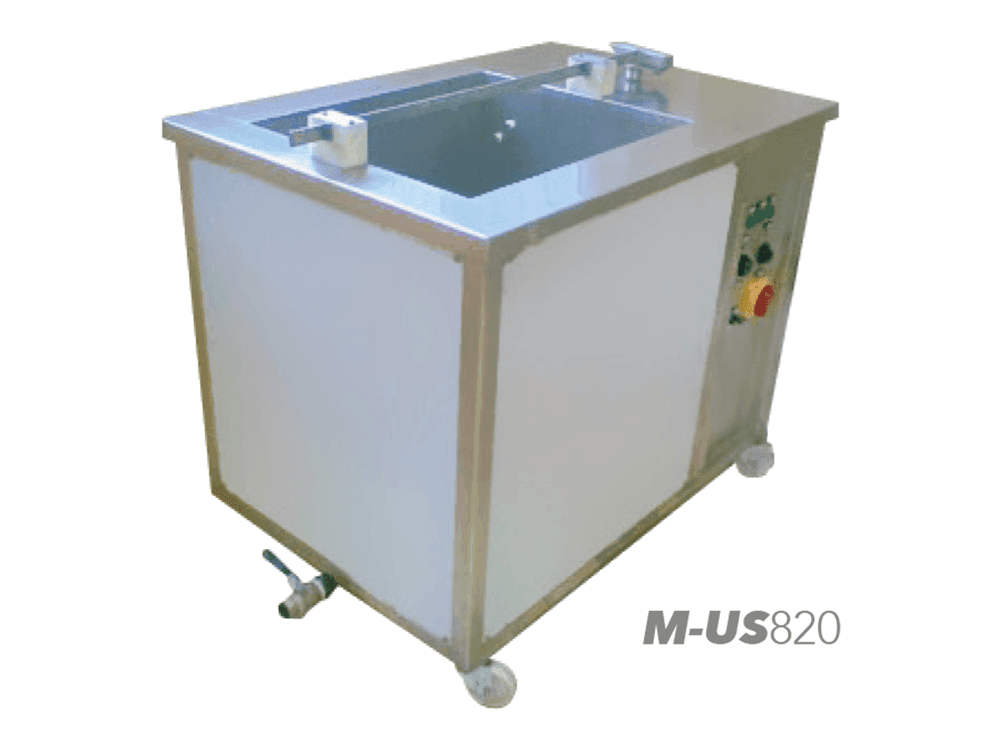
Cleaning aerospace parts after surface finishing removes residual compounds, media fines, and machining debris to meet aerospace surface and contamination standards.
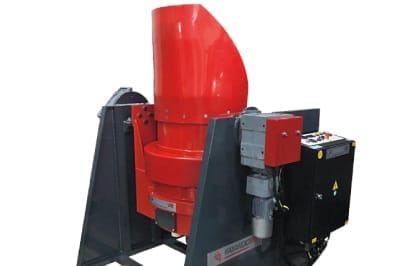
Centrifugal finishing for aerospace precision parts requires controlled process intensity, matched media, and validated surface quality. This article covers machine selection, media choice, and production integration for aluminum and titanium components.
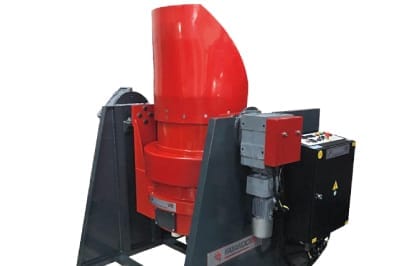
A technical guide covering automated finishing aerospace applications, including machine selection, media and compound choices, and production line integration for aluminum and titanium components.
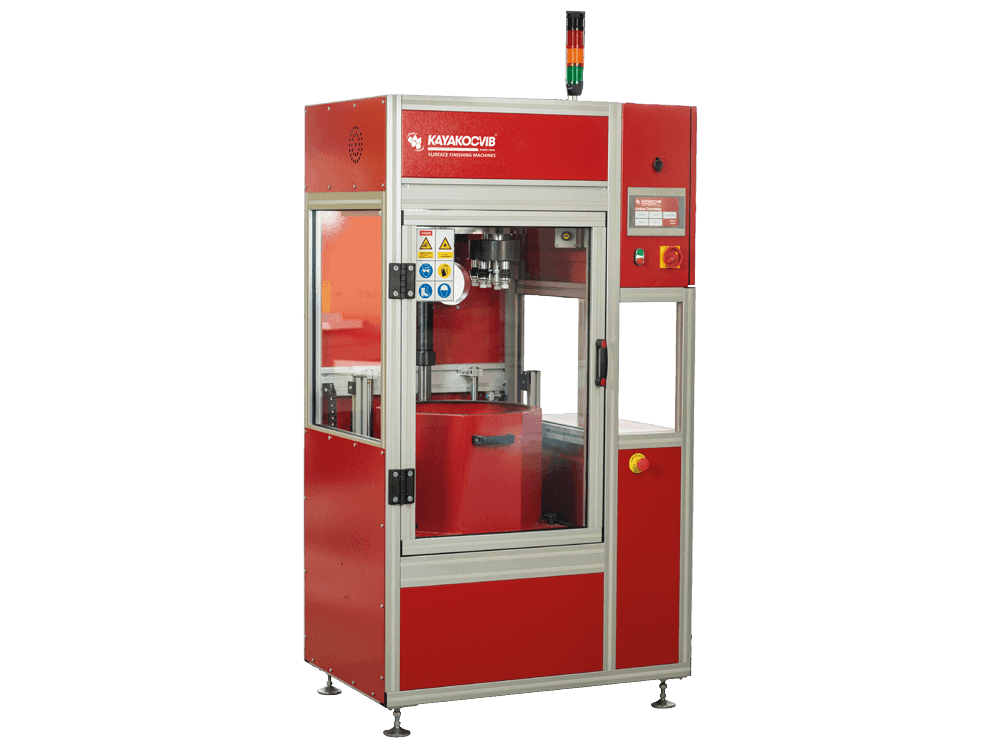
Aerospace surface roughness control requires precise process selection, media choice, and machine configuration to meet tight Ra specifications on aluminum and titanium components.
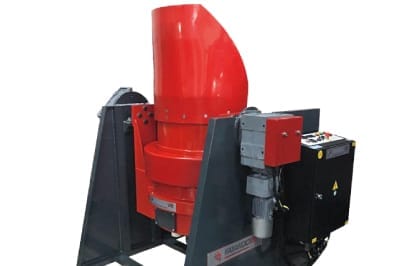
Finishing aluminum aerospace parts requires precise process control, correct media selection, and low-impact machine parameters to protect tight tolerances and surface integrity.
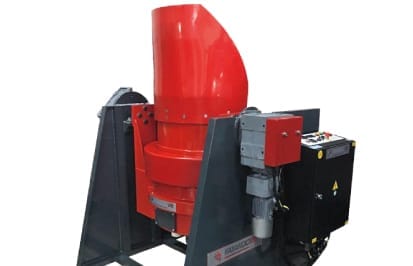
A technical selection guide for aerospace finishing technology covering machine suitability, media selection, process parameters, and surface quality requirements for aluminum and titanium components.
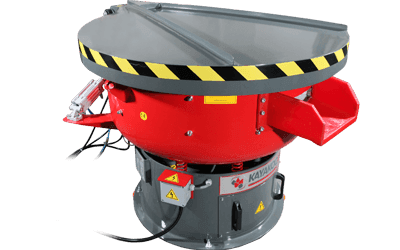
Deburring automotive CNC parts in batch production requires matched media, compound, and machine selection to achieve consistent edge quality across mixed steel and aluminum components.
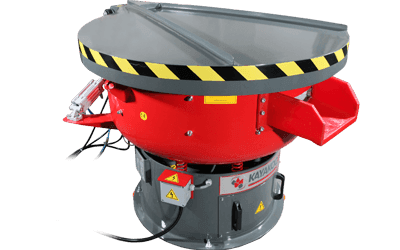
Automotive fastener finishing using vibratory processes covers deburring, edge rounding, and surface smoothing for steel, stainless steel, and aluminum fasteners in high-volume production environments.
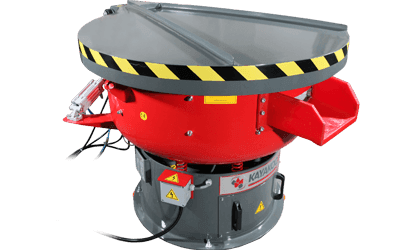
Edge rounding for automotive metal parts requires precise media selection, machine settings, and process validation to meet functional and quality requirements across steel, aluminum, and mixed-metal components.
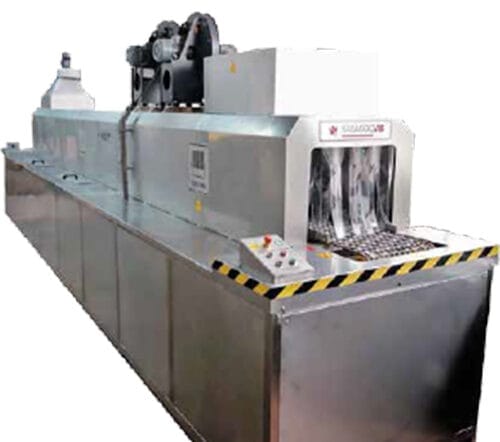
Automated finishing lines for automotive suppliers cover deburring, edge rounding, and surface preparation of steel, aluminum, and mixed-metal components at production volume with consistent, repeatable results.
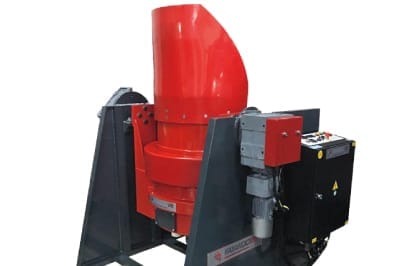
Automated deburring reduces labor costs and improves consistency in automotive supply chains. This article covers process selection, machine types, media, and ROI factors.
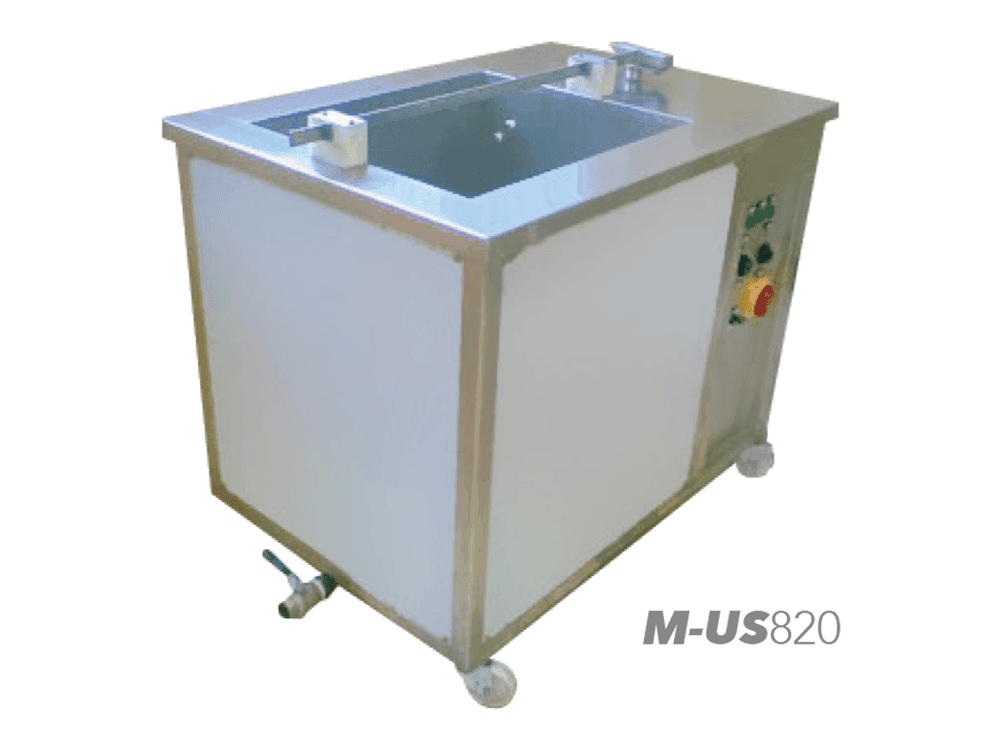
Washing and drying automotive parts after deburring requires matched cleaning and drying stages to remove media residue, compounds, and chips while protecting surface quality for downstream processes.
Automotive finishing quality control covers process parameters, machine selection, media and compound logic, and inspection requirements for consistent surface results in high-volume production.
A practical engineering guide for selecting the right finishing system for automotive parts, covering machine type, media, process parameters, and production integration.
Protecting tolerances during CNC part deburring requires careful media selection, machine choice, and process control. This reference covers the key engineering variables that determine whether deburring preserves or compromises part dimensions.
Accurate batch capacity calculation for vibratory finishing of CNC parts prevents underloading, overloading, and inconsistent surface results across production cycles.
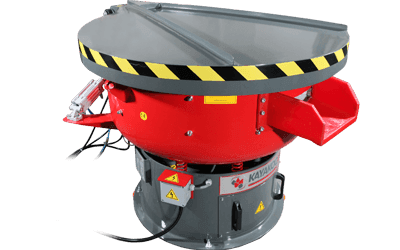
CNC burr removal covers burr classification, machine and media selection, and process route logic for machined steel, stainless steel, and aluminum components.

Deburring CNC steel parts with ceramic media is a well-established mass finishing approach that removes burrs, rounds edges, and improves surface condition using vibratory machines and abrasive ceramic media.
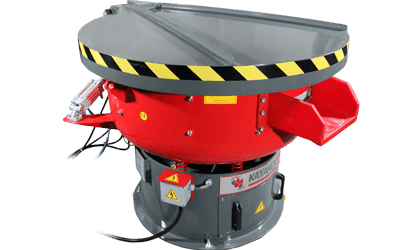
Vibratory finishing is a reliable mass finishing method for deburring CNC aluminum parts, combining correct media selection, machine choice, and process parameters to achieve consistent edge quality.
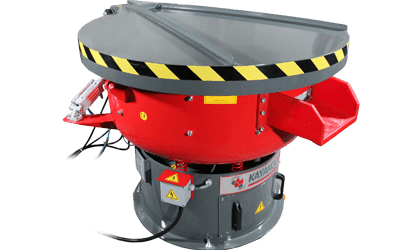
Explains how CNC workshops can replace manual deburring with vibratory finishing, covering machine selection criteria, media and compound logic, and process validation considerations.
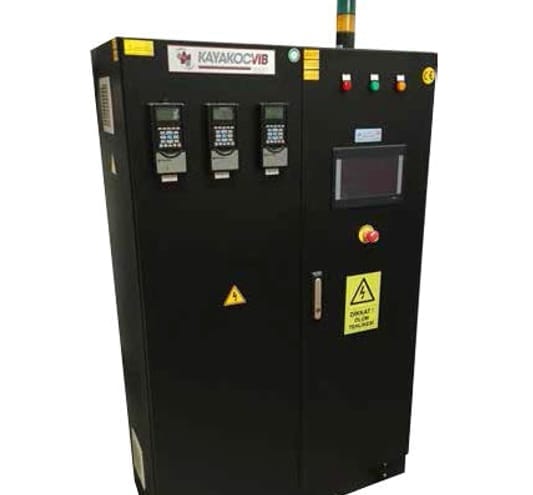
ERP integration for surface finishing production lines connects machine-level process data with enterprise planning systems to enable real-time production control, traceability, and scheduling.
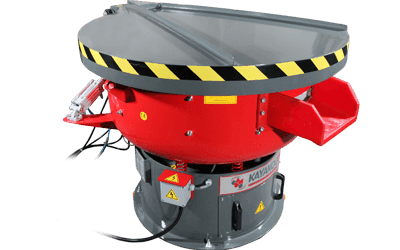
Automatic separation after vibratory finishing removes finished parts from media without manual handling, enabling consistent throughput, reduced labor, and repeatable surface quality in automated production lines.
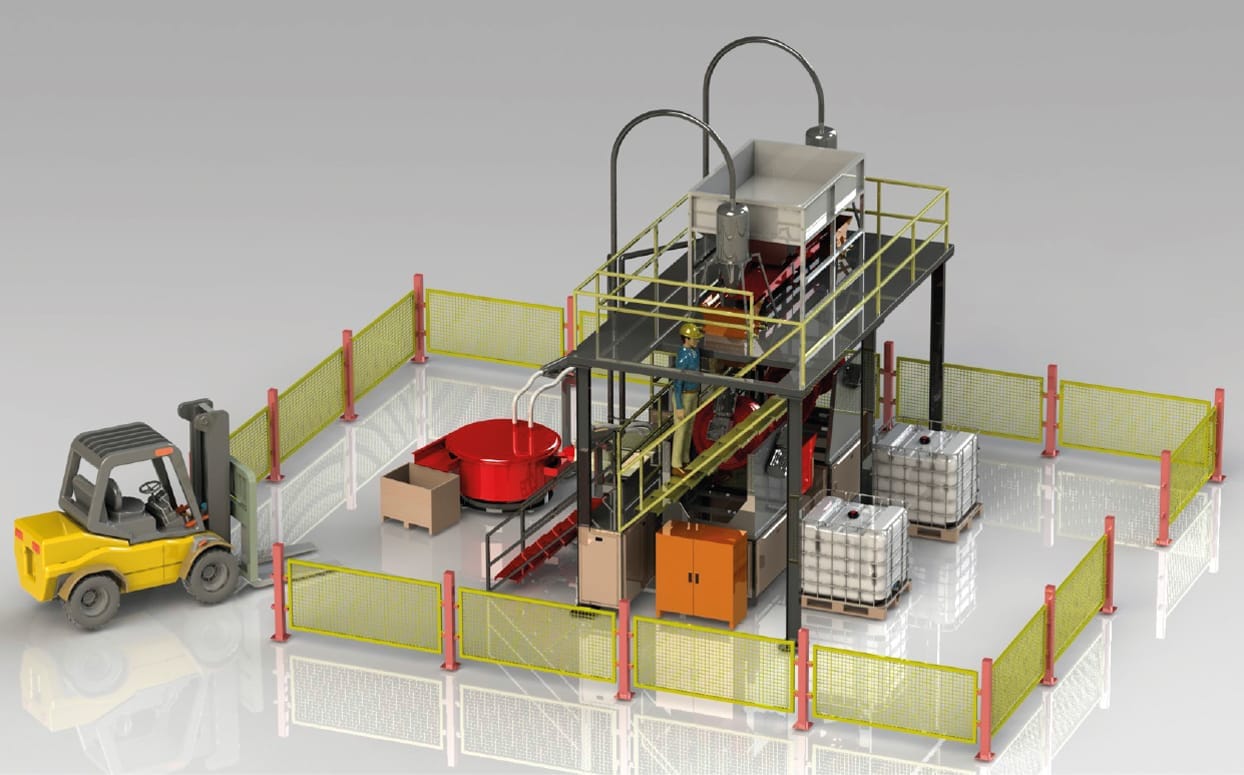
A technical selection guide for automatic loading systems in vibratory finishing, covering system types, integration logic, part handling, and production configuration decisions.
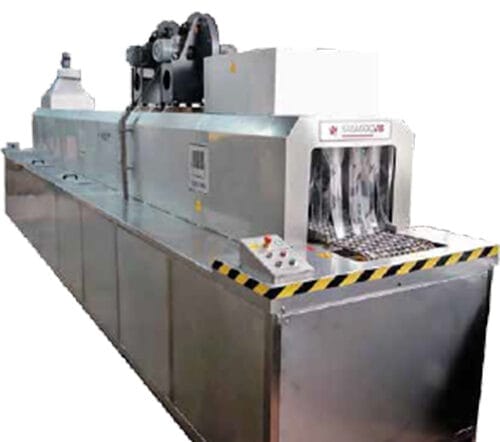
A deburring polishing drying line integrates sequential finishing and drying stages into a controlled production flow for consistent surface quality across metal parts.
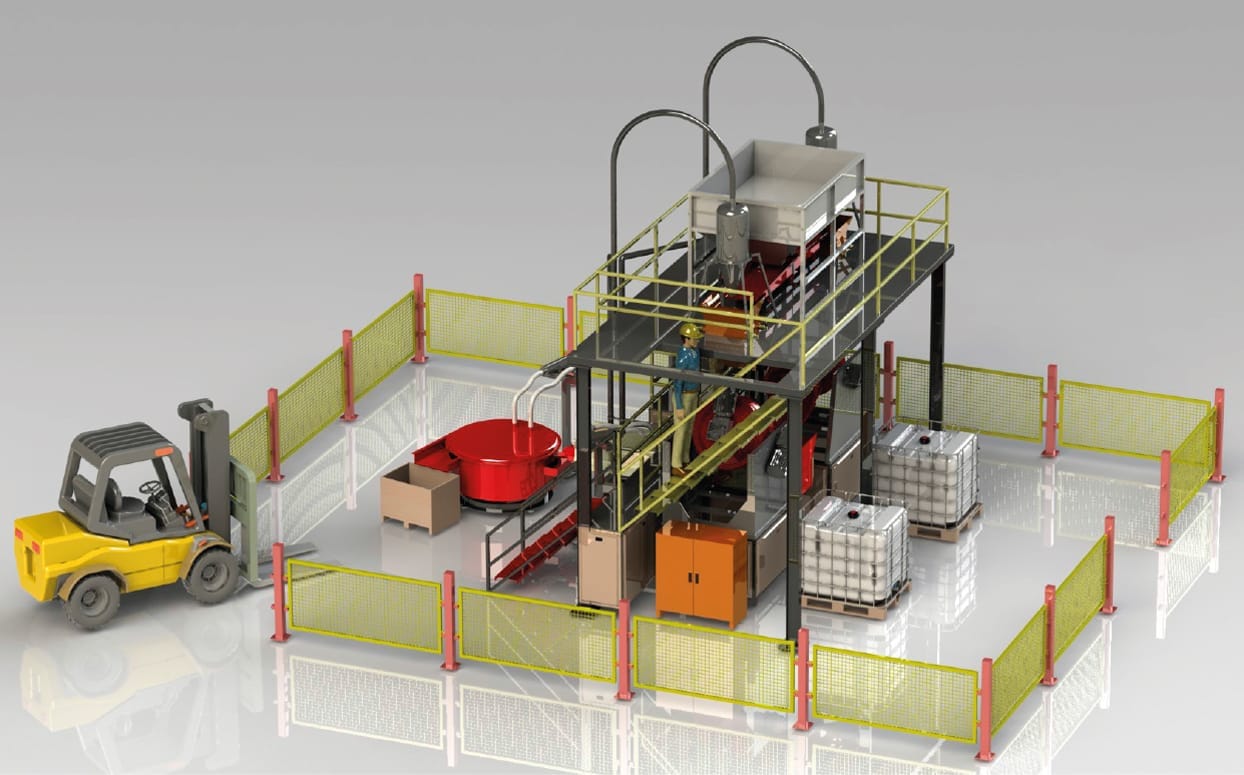
Robotic loading for surface finishing lines integrates part handling, machine feeding, and process sequencing into a controlled automated workflow for consistent deburring and polishing results.
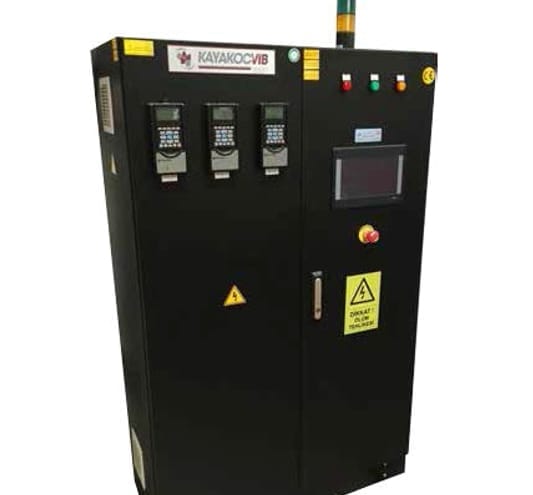
Automation improves repeatability in deburring by eliminating manual variation through controlled machine cycles, fixed parameters, and integrated handling. This article explains the full process walkthrough from part entry to validated output.
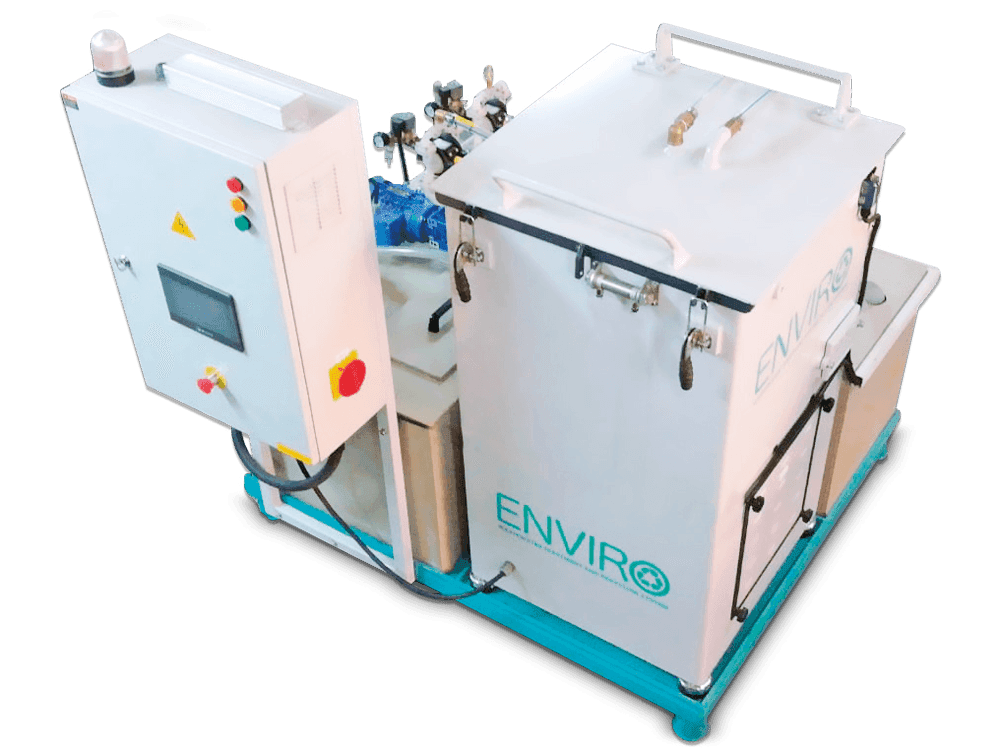
The ENVIRO1000 wastewater treatment system is a centrifugal separation unit designed for industrial surface finishing operations. It recovers and recycles process water while separating solids, oils, and finishing compounds.
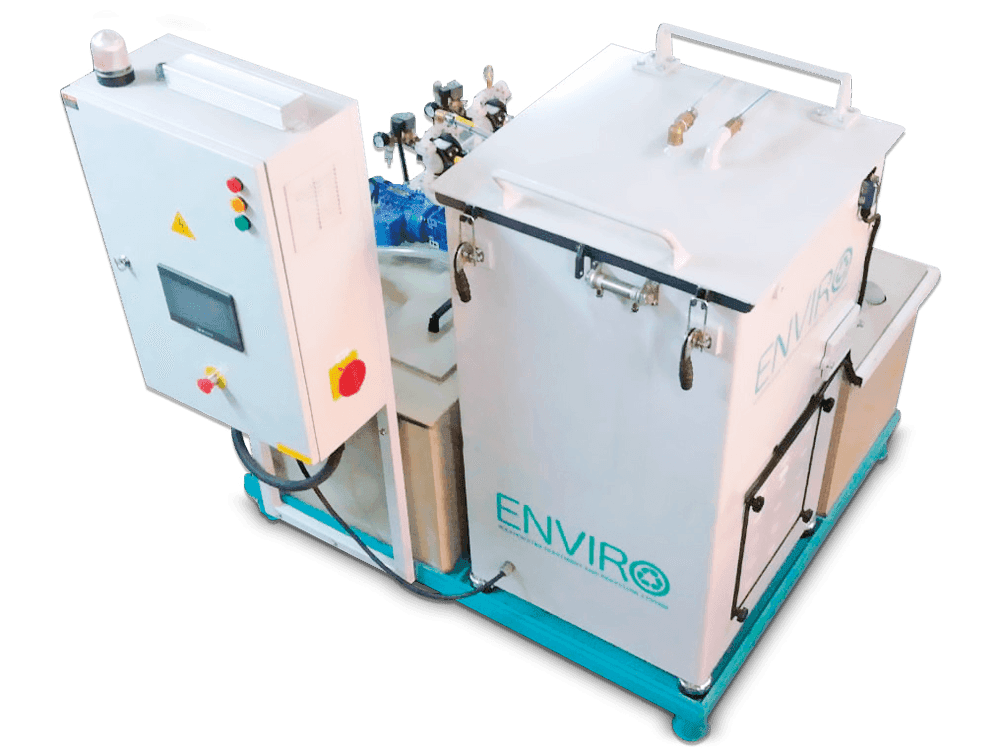
Media wear in vibratory and centrifugal finishing generates fine solids that overload wastewater systems. This article explains root causes, separation methods, and corrective actions.
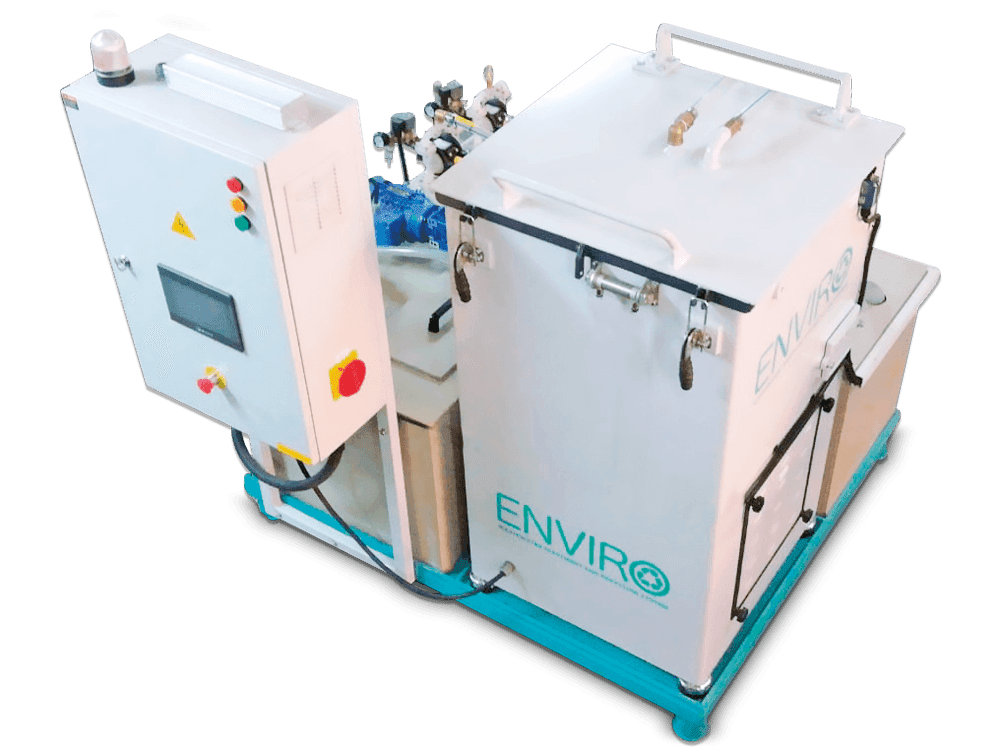
Closed-loop water systems for surface finishing lines reduce freshwater consumption and effluent discharge by continuously treating and reusing process water through separation, filtration, and chemical treatment stages.
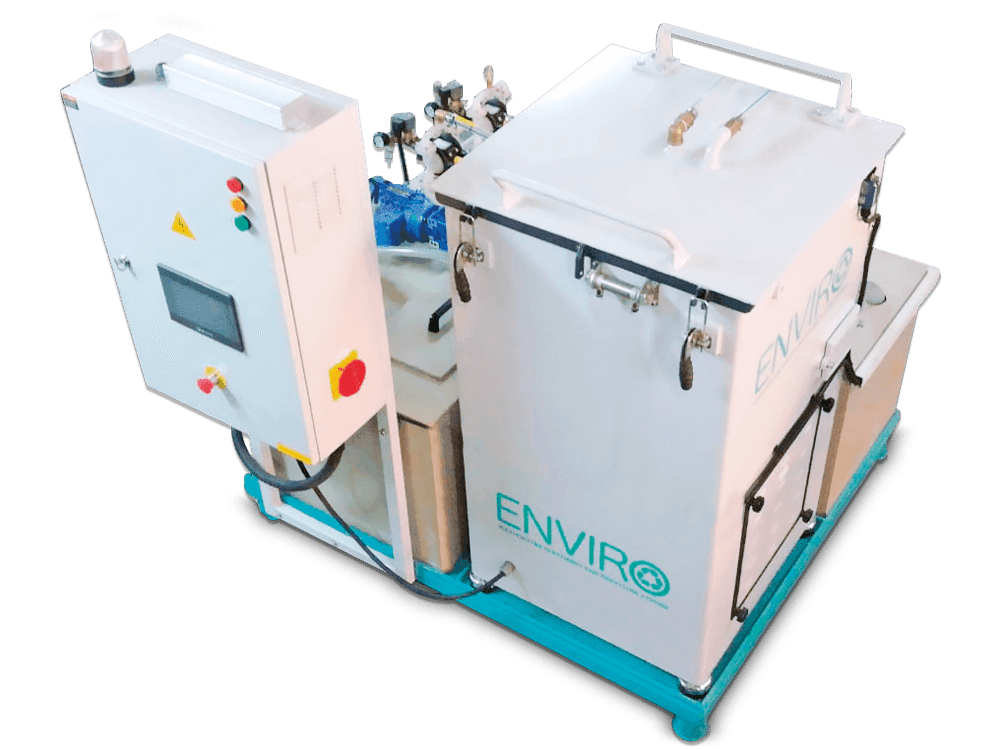
This article explains the environmental benefits of wastewater recycling in metal finishing operations, covering closed-loop water reuse, treatment system selection, and process optimization for steel, aluminum, and mixed-metal production lines.
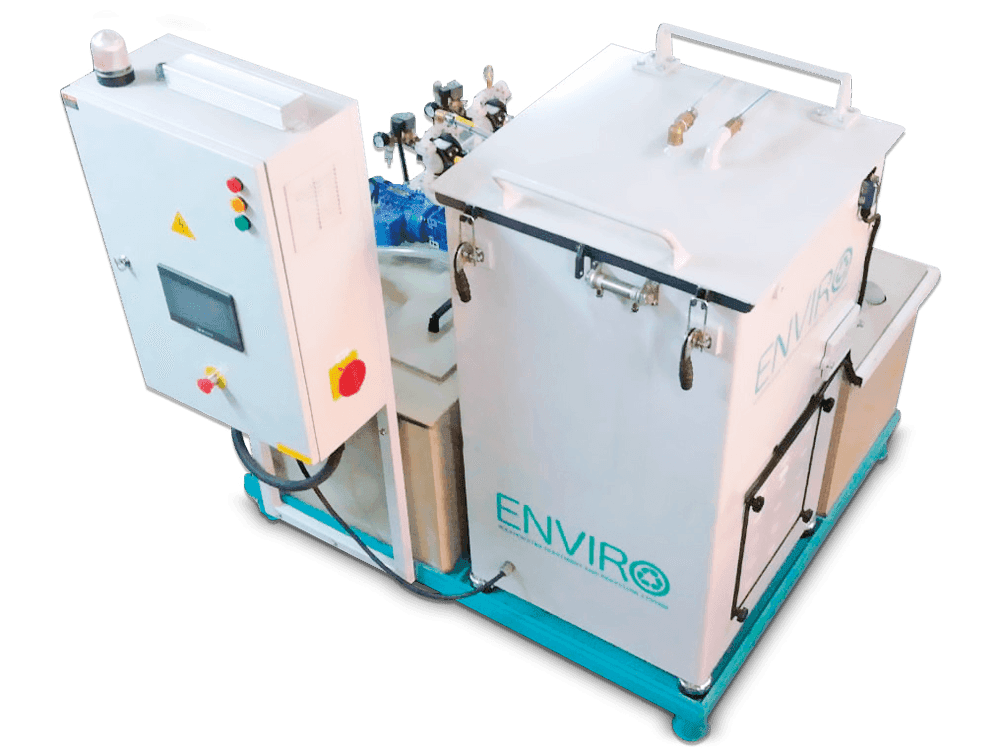
Wastewater recycling in vibratory finishing enables closed-loop water reuse by treating effluent through solids separation, oil removal, and flocculation before recirculation.
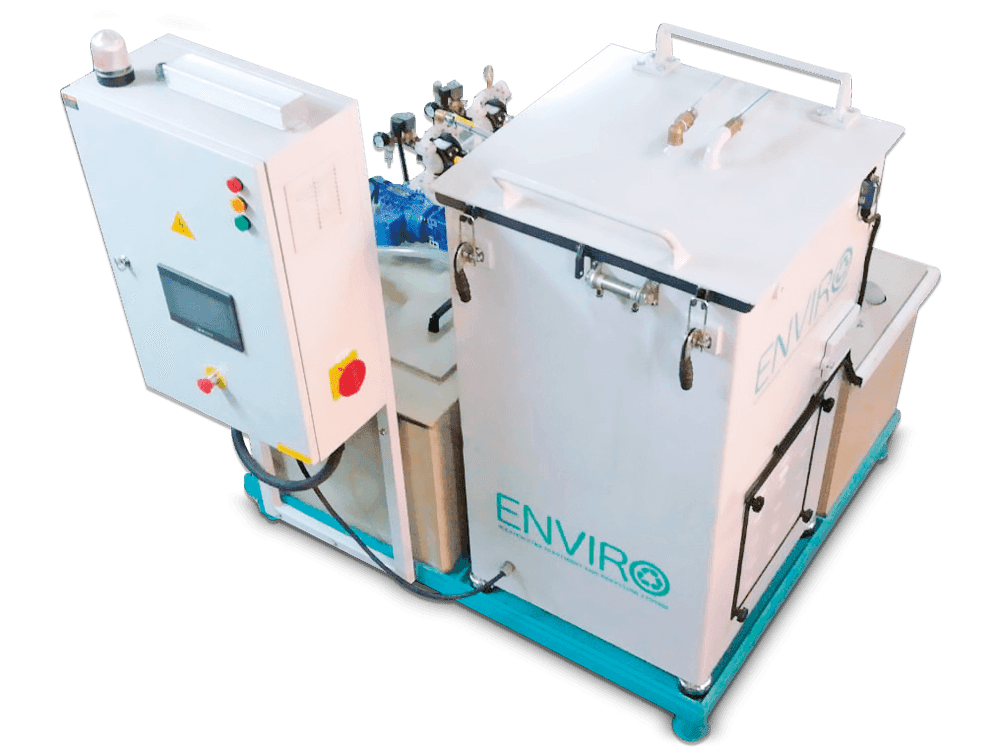
A technical guide to reducing water consumption in mass finishing through closed-loop reuse, solids separation, and systematic process optimization for industrial surface finishing lines.
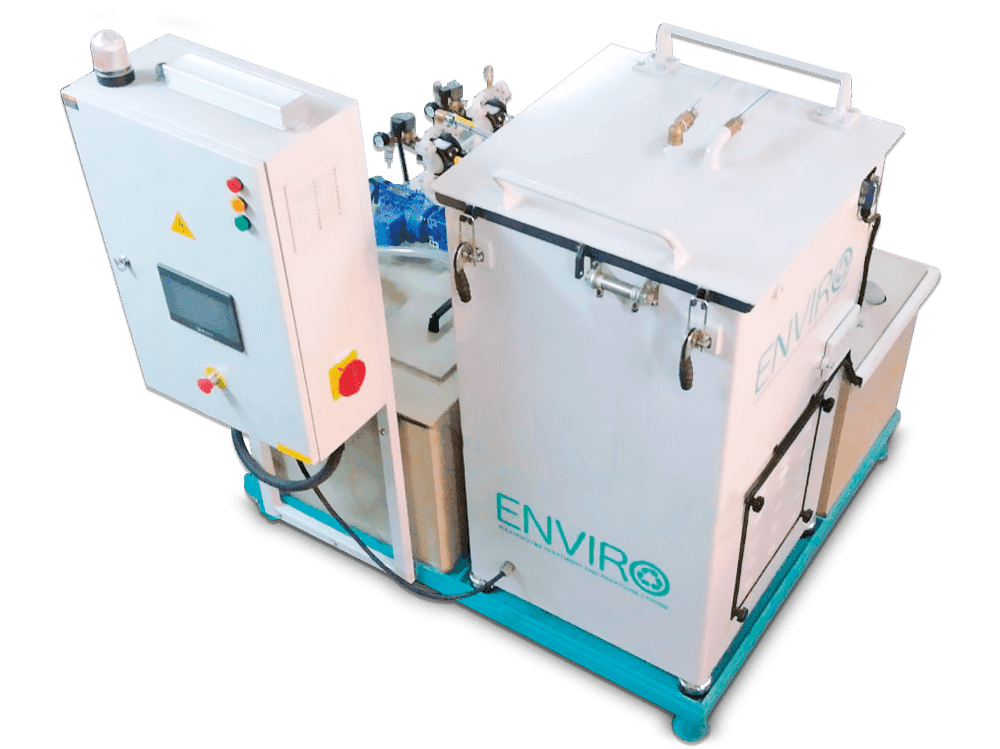
Flocculation wastewater treatment removes suspended solids, oils, and finishing compounds from process water in surface finishing operations, enabling water reuse and regulatory compliance.
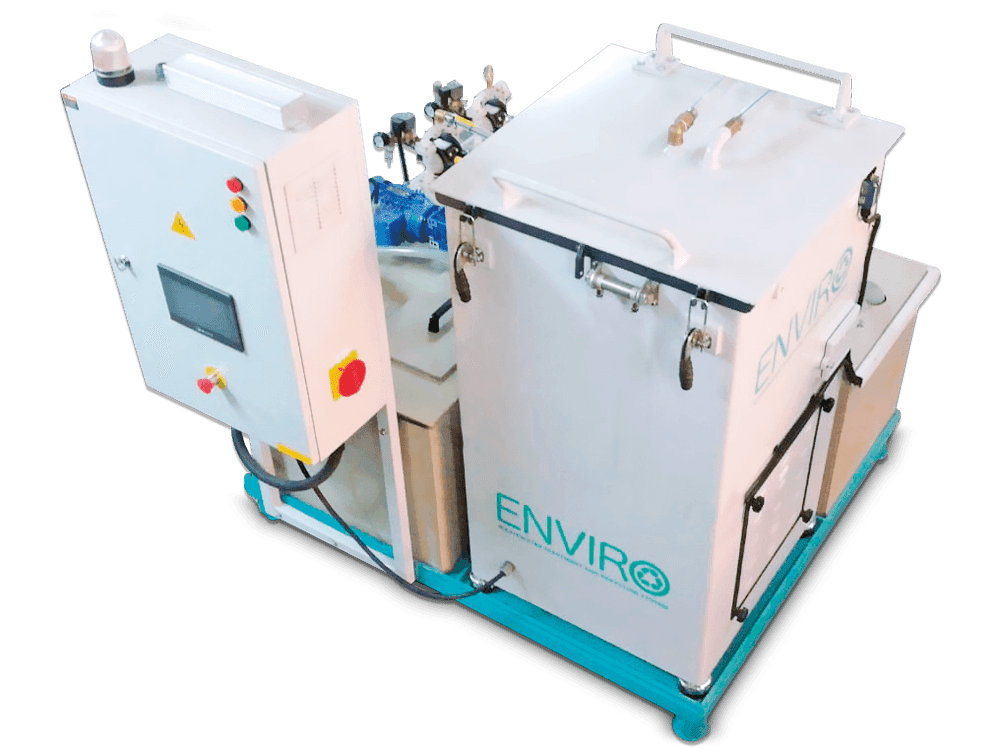
Sedimentation tanks manage process water and solids in vibratory finishing lines. This article explains their working sequence, integration logic, and operational parameters.
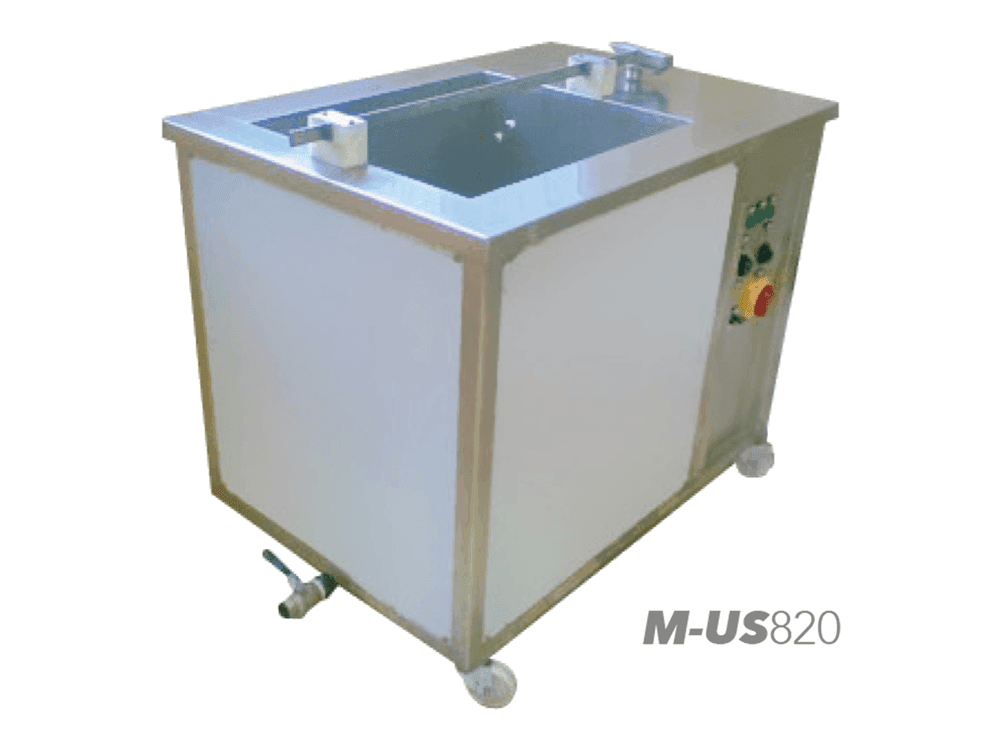
Industrial parts washing covers the cleaning, degreasing, and surface preparation stages required before or after surface finishing operations in manufacturing environments.
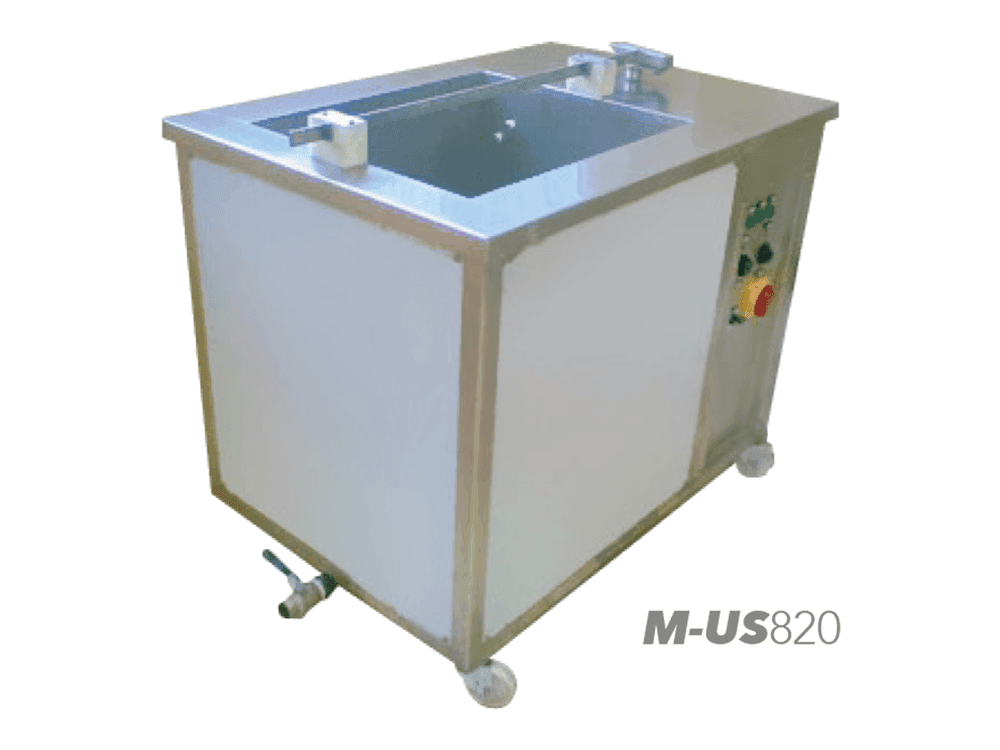
A technical troubleshooting guide covering common industrial washing problems, root causes, and corrective actions for cleaning, rinsing, and drying stages in manufacturing.
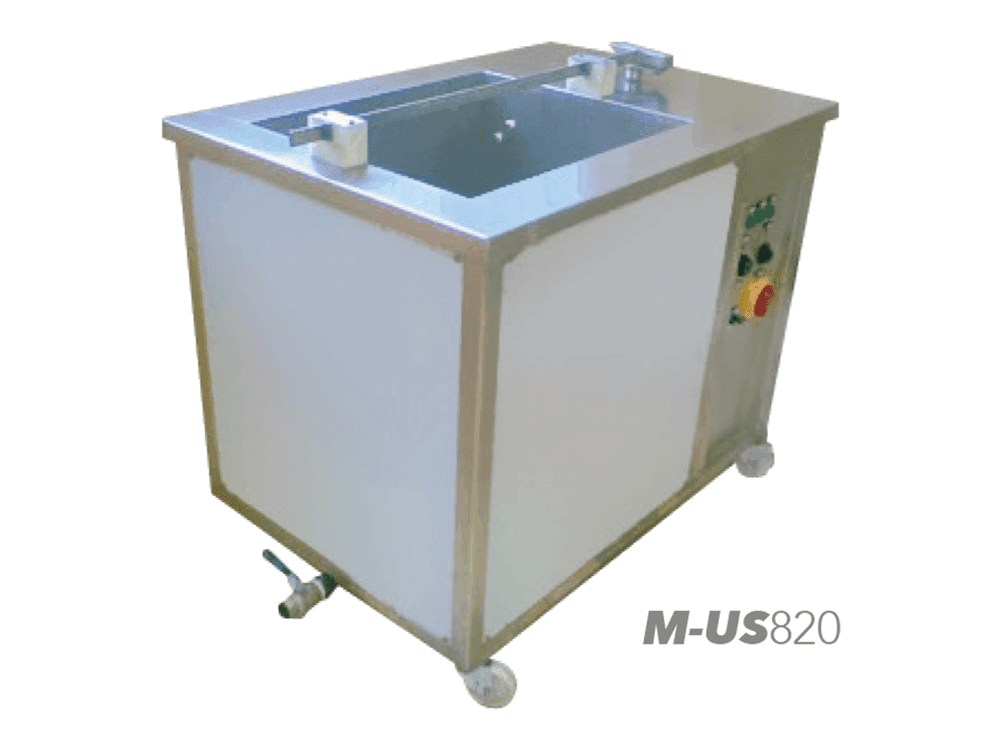
Parts washing before coating covers the cleaning, rinsing, and drying stages required to prepare metal surfaces for paint, powder coat, or other coatings.
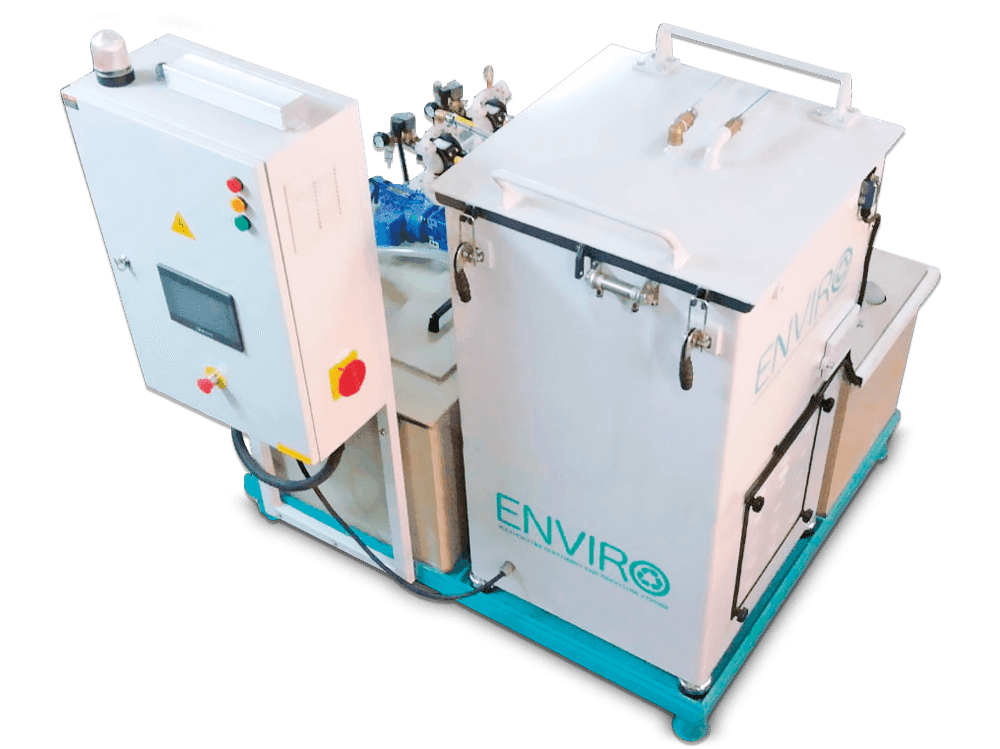
Engineering guide on how to reduce water and chemical consumption in industrial washing lines through process design, dosing control, filtration, and wastewater recycling.
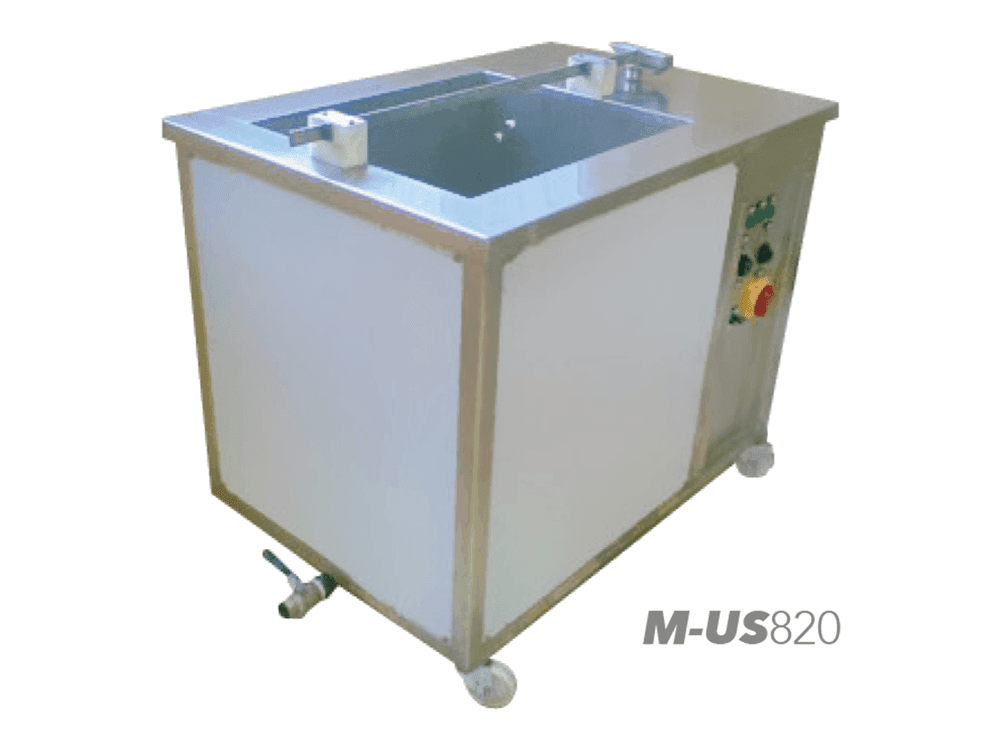
Industrial ultrasonic cleaners use cavitation energy to remove contaminants from precision components. This article covers process logic, cleaning stages, compound selection, and industrial applications.
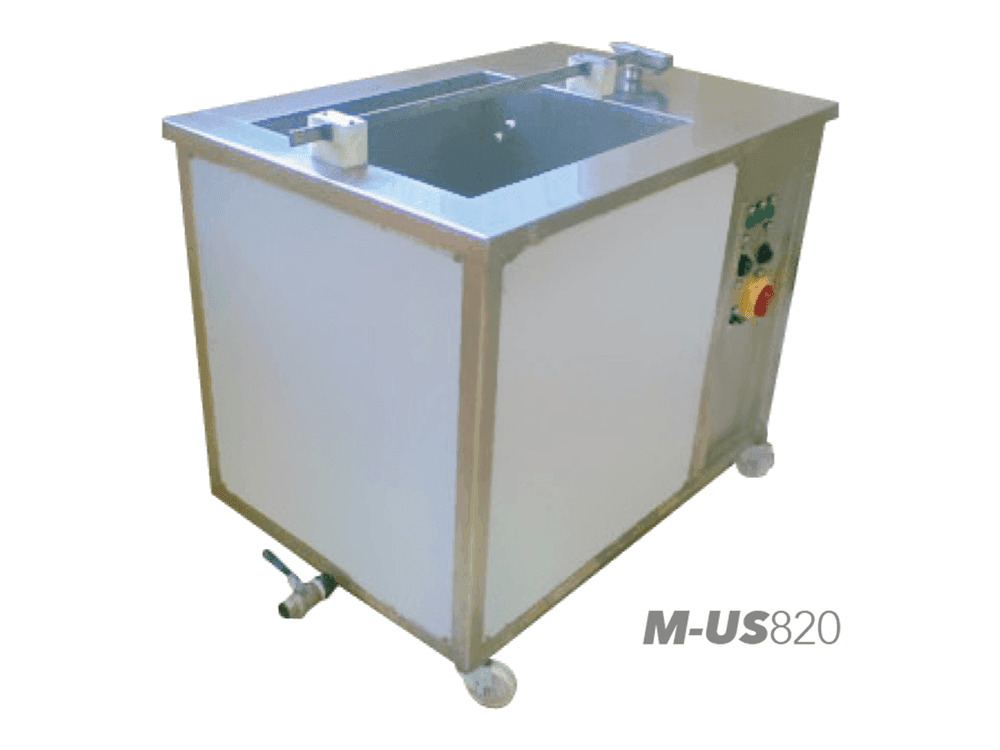
Ultrasonic cleaning and pressure washing serve different industrial cleaning needs. This guide explains how to select the right method based on part geometry, contamination type, and production requirements.
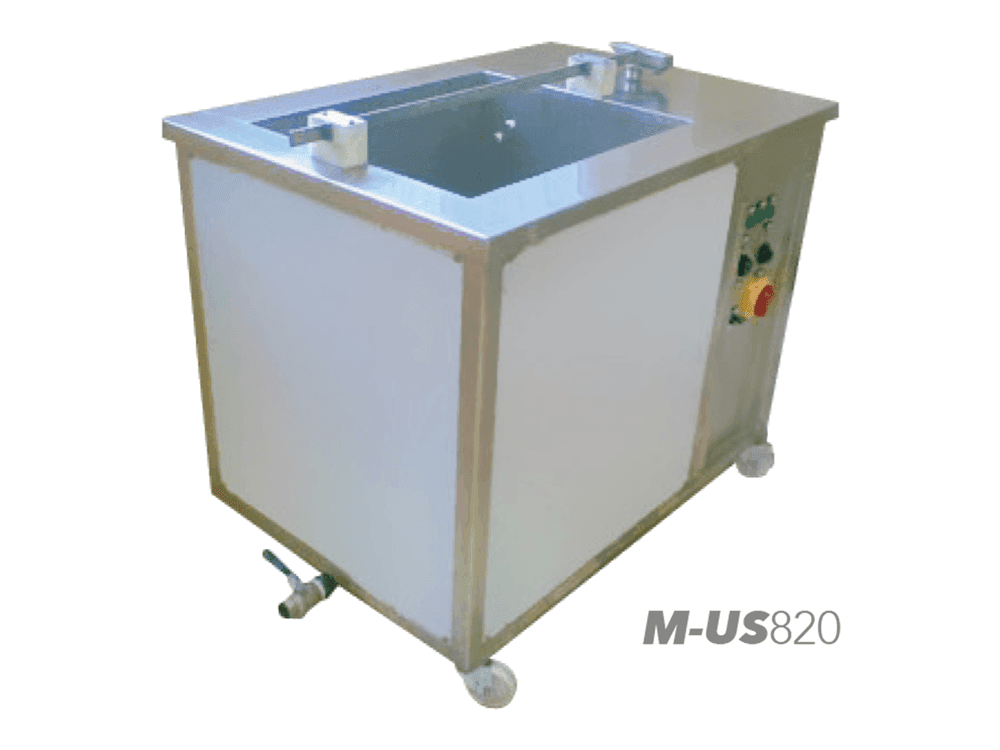
Pressure washing machine metal parts is a controlled industrial cleaning process used to remove oils, chips, and surface contamination before or after finishing operations.
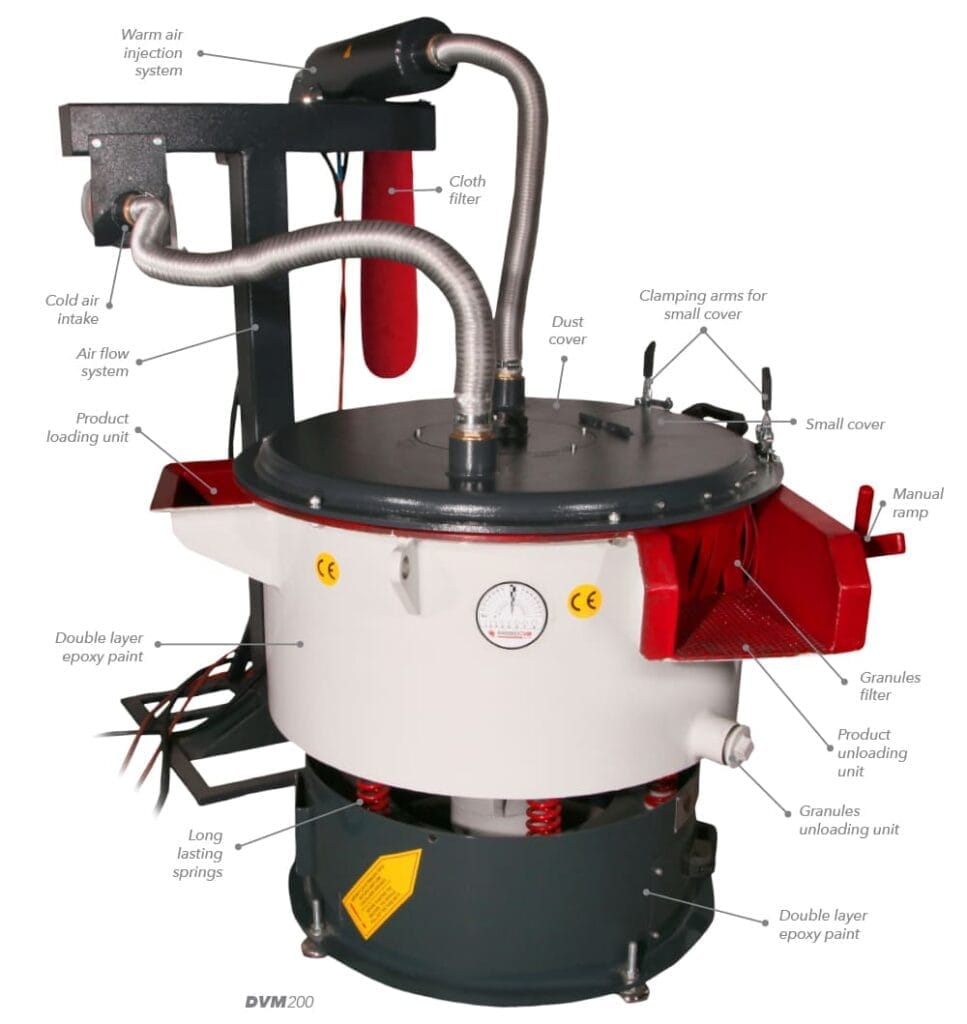
Vibratory drying problems cause surface staining, incomplete drying, and part damage in finishing lines. This article covers root causes, corrective actions, and process optimization strategies.
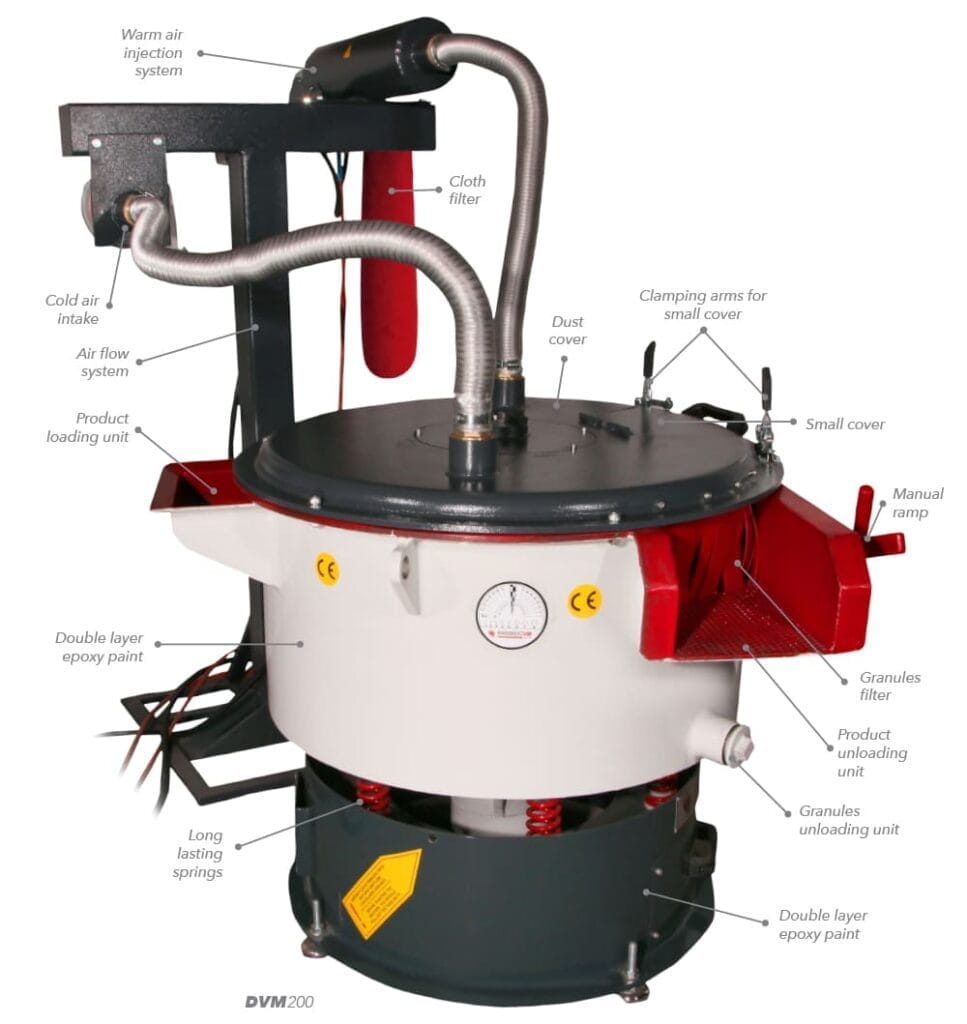
Vibratory drying for small metal parts is a controlled post-finishing step that removes surface moisture using heated media and mechanical motion to prevent oxidation and prepare parts for downstream operations.
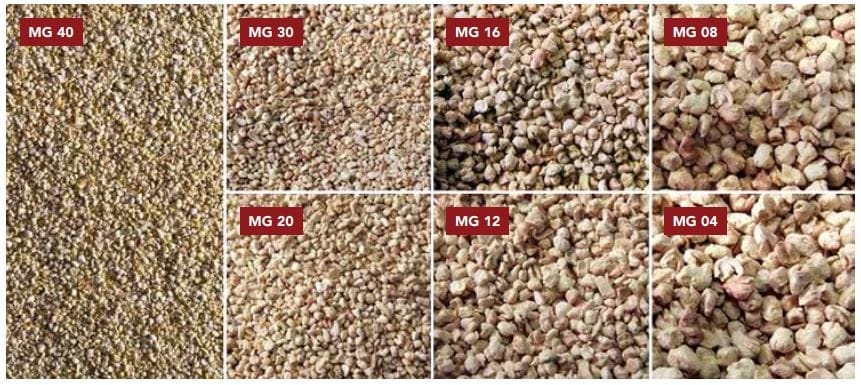
A technical guide to selecting drying media granules for industrial surface finishing, covering corn cob, walnut shell, and synthetic media types with selection criteria and process variables.
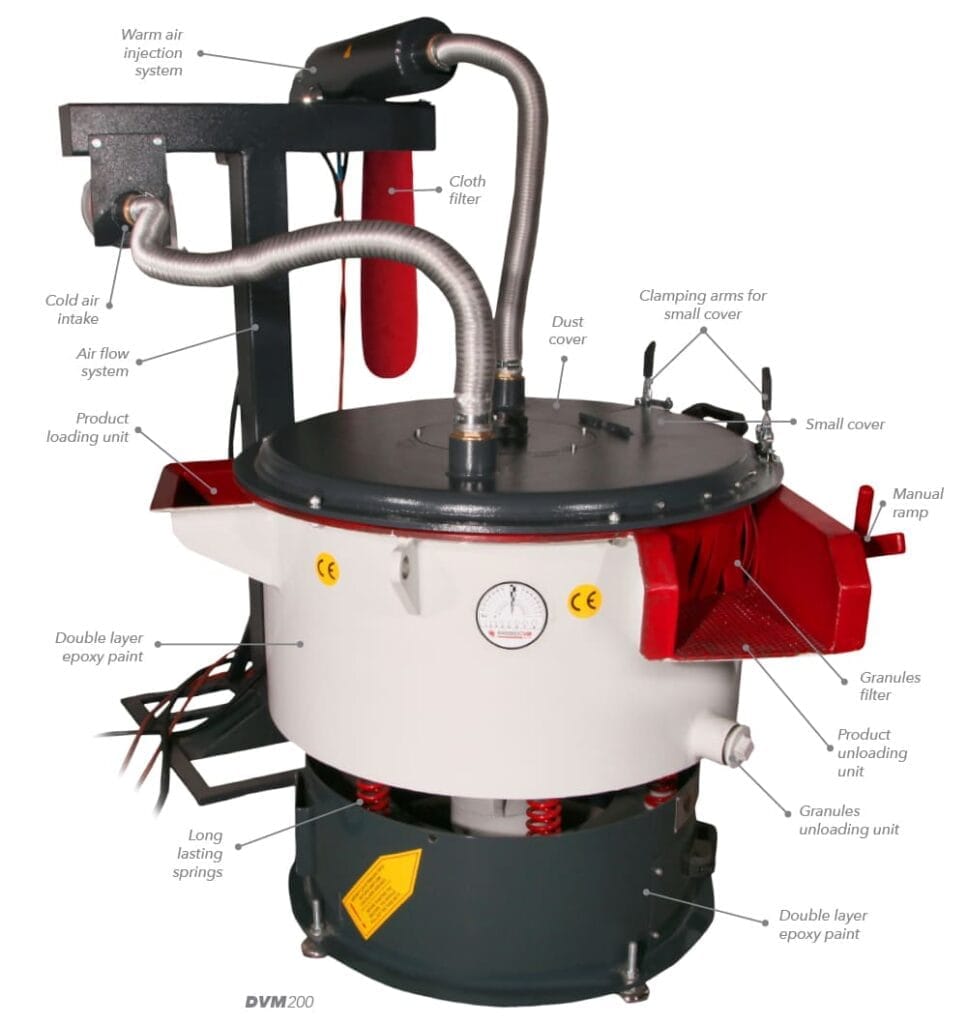
Water stains after vibratory finishing result from improper drying or compound residue. Selecting the right drying method and process parameters prevents staining on steel, aluminum, and mixed metal parts.
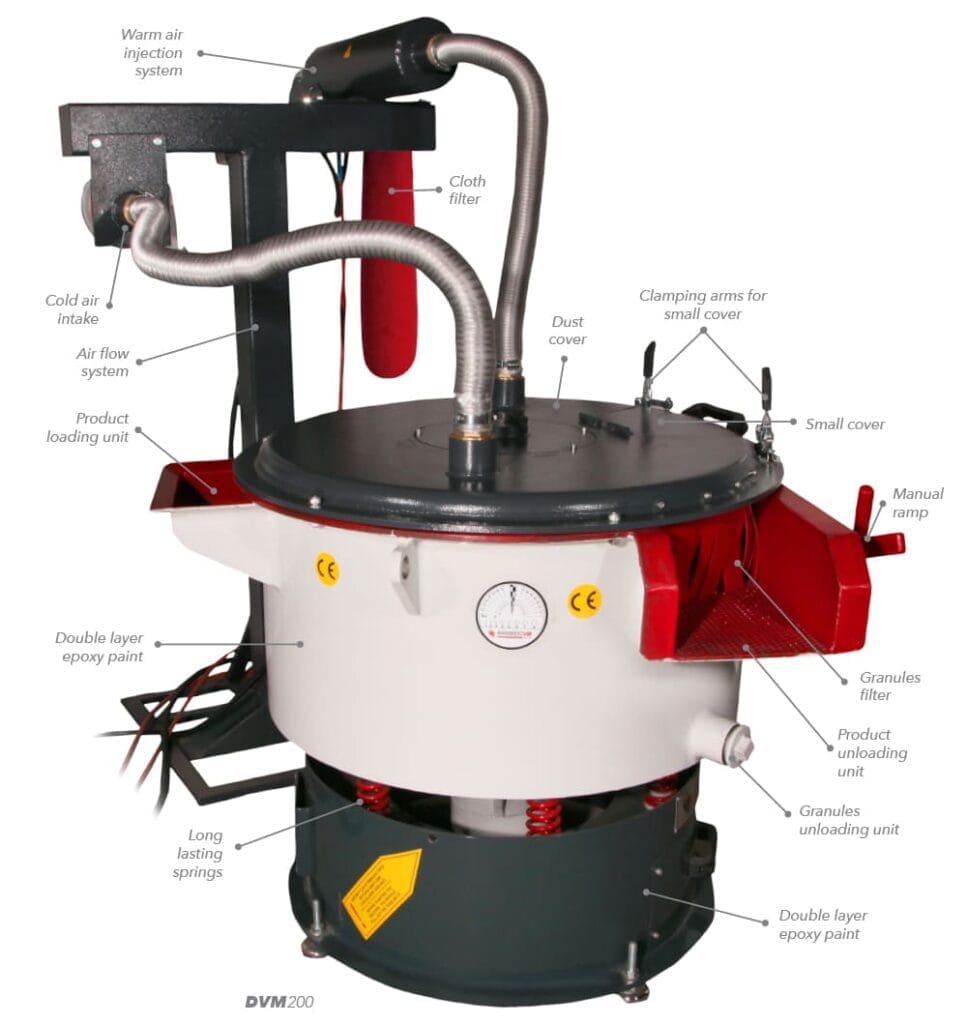
Selecting between a circular and trough vibratory dryer depends on part geometry, size, and production flow. This guide covers selection criteria, machine suitability, and decision logic.
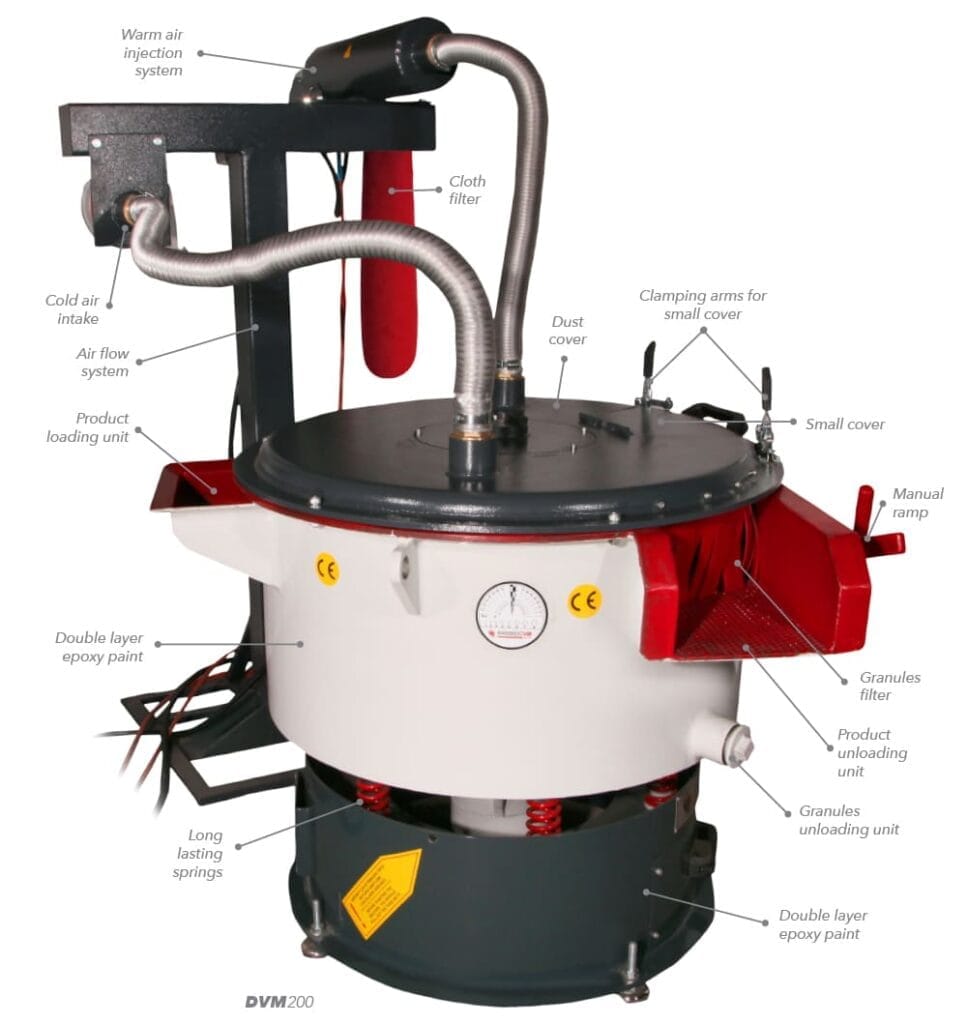
This article explains how drying process parameters directly affect corrosion risk in industrial surface finishing lines, covering machine selection, temperature control, drying sequence, and material-specific considerations.
A technical guide to selecting and applying compounds for aluminum finishing processes, covering media compatibility, process chemistry, machine selection, and surface quality control.
Selecting between acidic and alkaline compounds is a fundamental process decision in industrial surface finishing that directly affects cleaning, deburring, and final surface quality across different base materials.
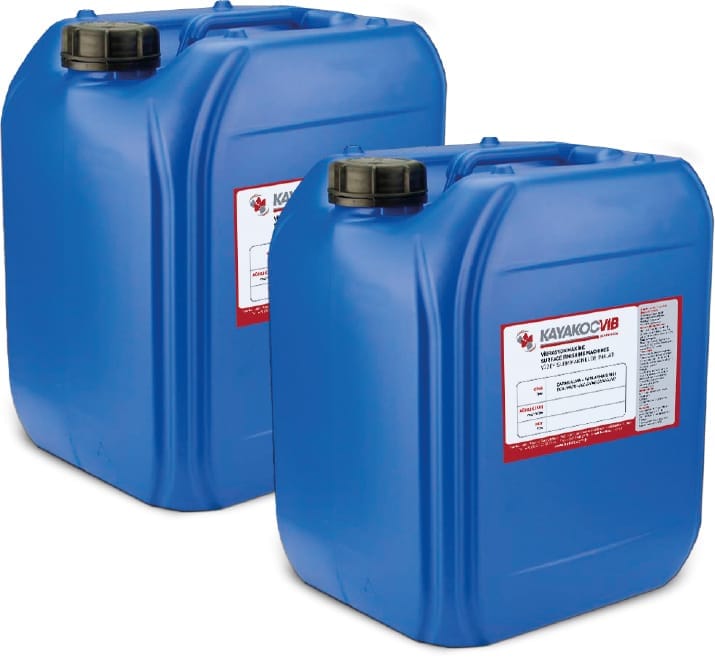
Common vibratory finishing chemical mistakes cause staining, poor deburring, media wear, and inconsistent surface quality. This article explains root causes and corrective actions.
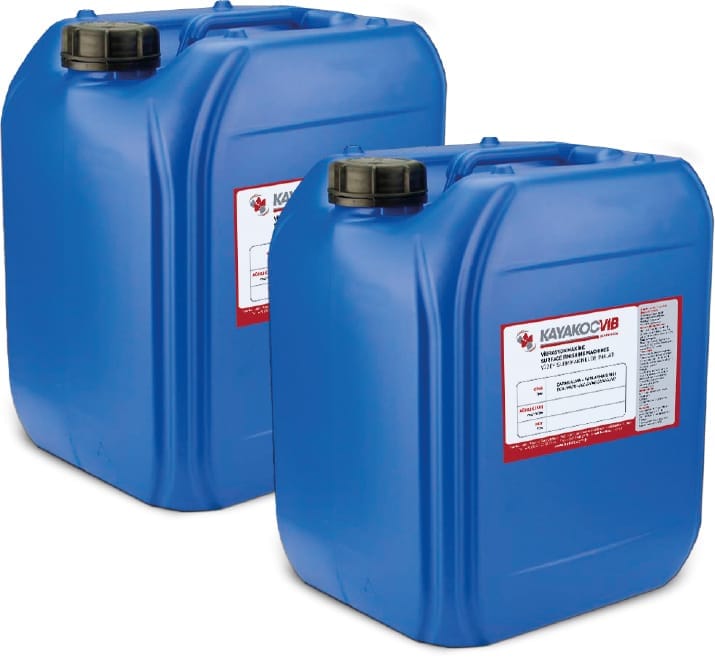
A technical guide to compound selection and process optimization for stainless steel mass finishing, covering machine choice, media pairing, and surface quality control.
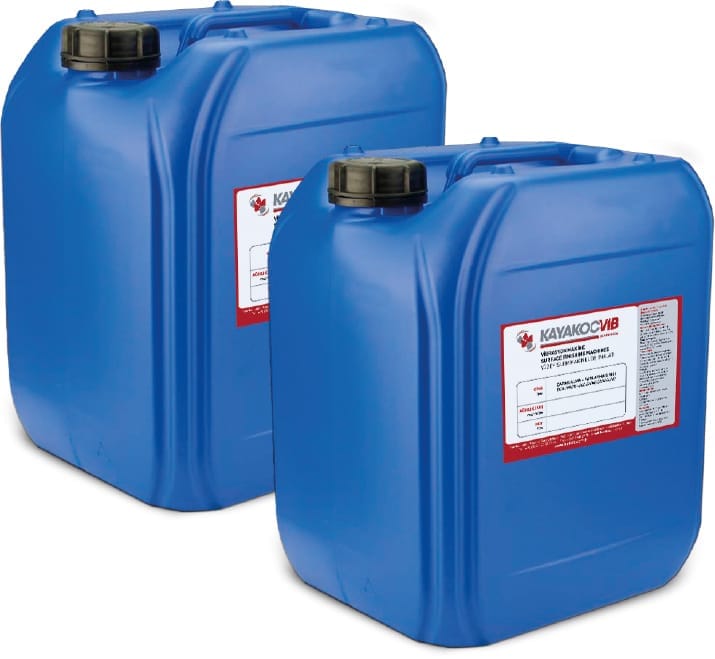
Selecting the right deburring compound depends on part material, burr condition, machine type, and target surface quality. This guide explains the engineering logic behind compound selection for industrial mass finishing.
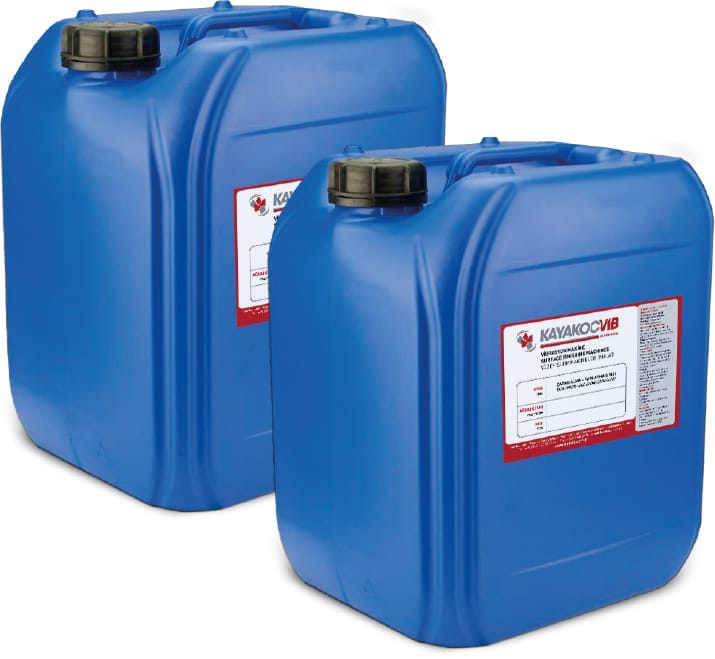
Corrosion protection in wet finishing processes depends on compound selection, rinse quality, and drying method. This article explains the full process sequence and control points for steel, aluminum, and mixed-metal applications.

Porcelain polishing media is used in mass finishing to achieve smooth, reflective surfaces on metal parts. This article covers its working principle, typical applications, machine selection, and process parameters.
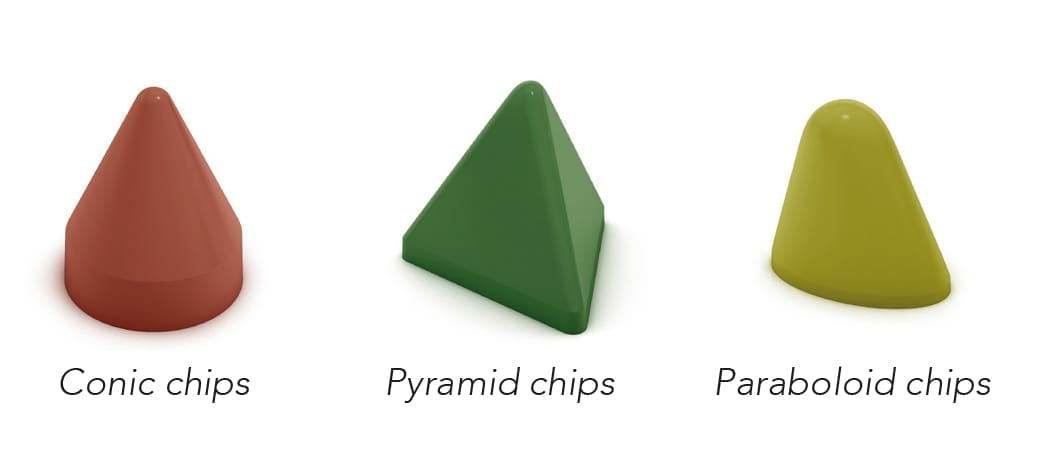
A technical guide to finishing media selection for vibratory finishing, covering material compatibility, media geometry, compound pairing, and process validation logic.
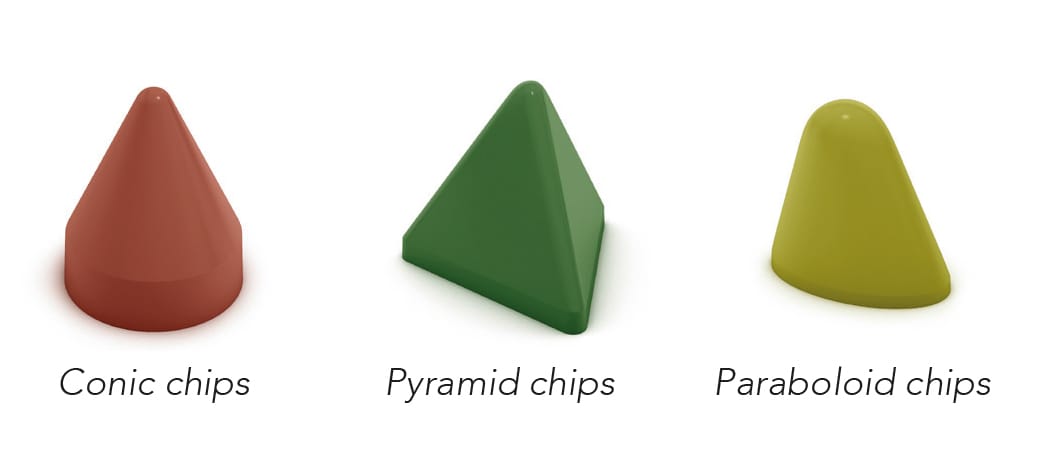
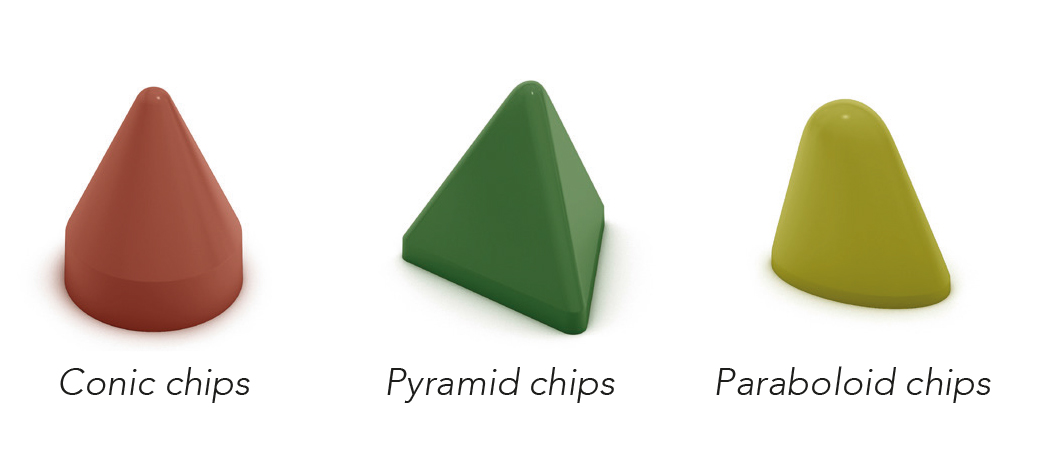
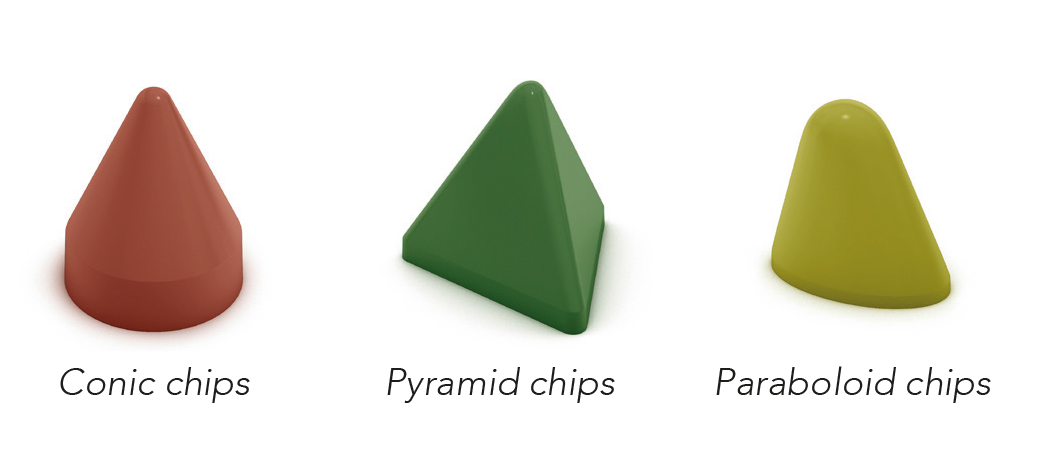
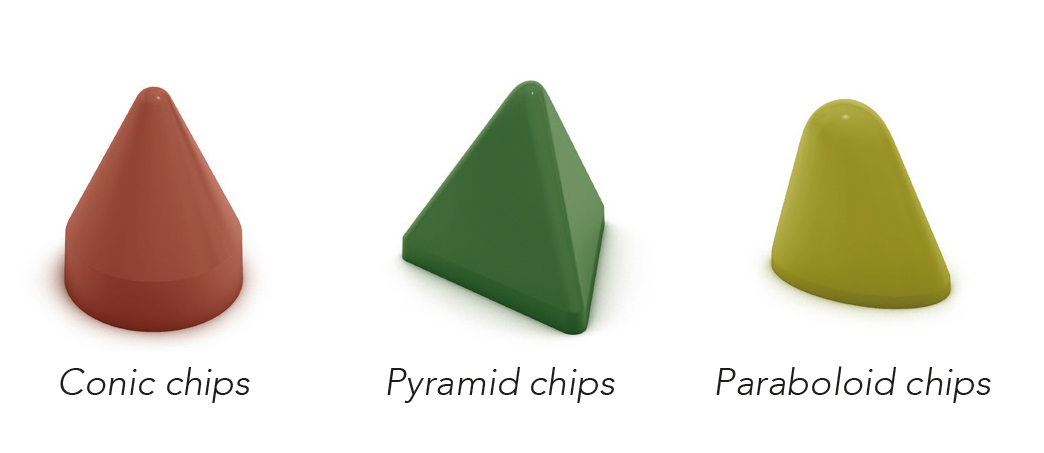
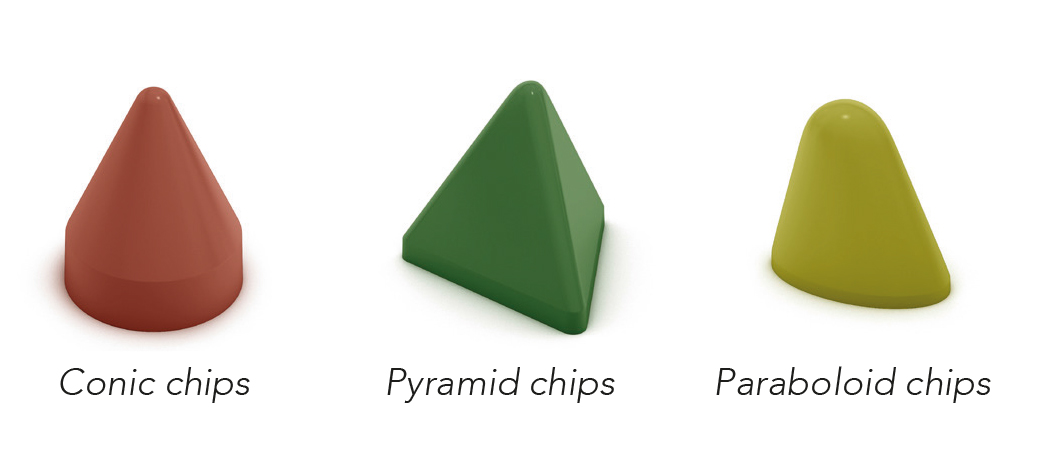
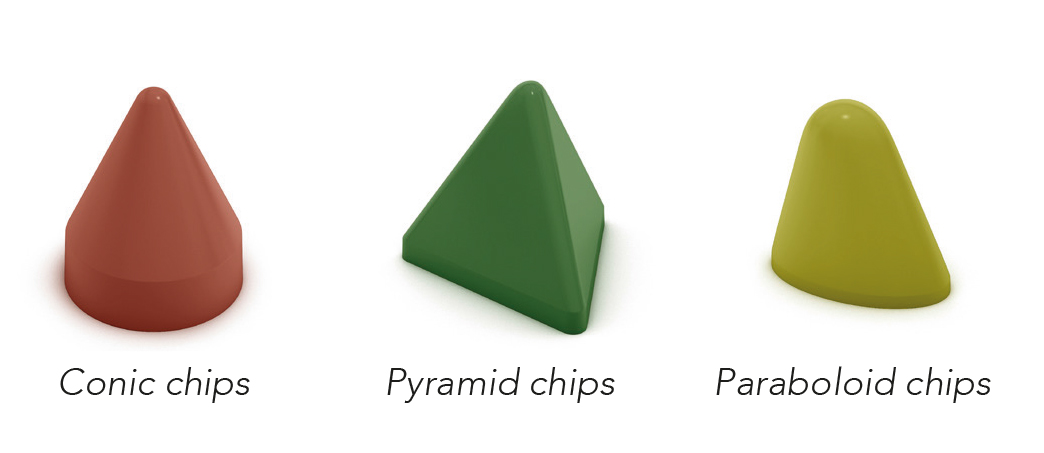
A technical guide to finishing media shapes including cone, triangle, cylinder, and pyramid, covering shape selection logic, process behavior, and industrial application fit.
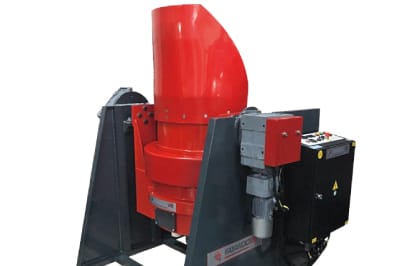
This article covers common centrifugal finishing problems, their root causes, and corrective actions to help engineers optimize cycle time, surface quality, and process consistency.
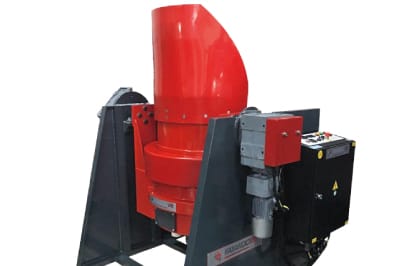
Centrifugal disc finishing delivers high-intensity surface treatment for precision metal parts where conventional vibratory methods are too slow or insufficient for required surface quality.
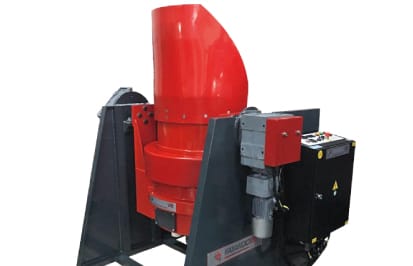
Centrifugal finishing cycle time depends on part material, burr condition, media type, and machine settings. This guide explains how to evaluate and optimize finishing cycle duration for consistent industrial results.
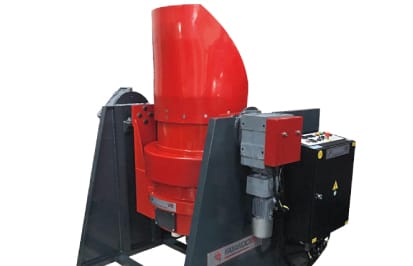
Centrifugal finishing for medical parts covers the process requirements, machine selection, media and compound logic, and quality control considerations specific to titanium and medical grade stainless steel components.
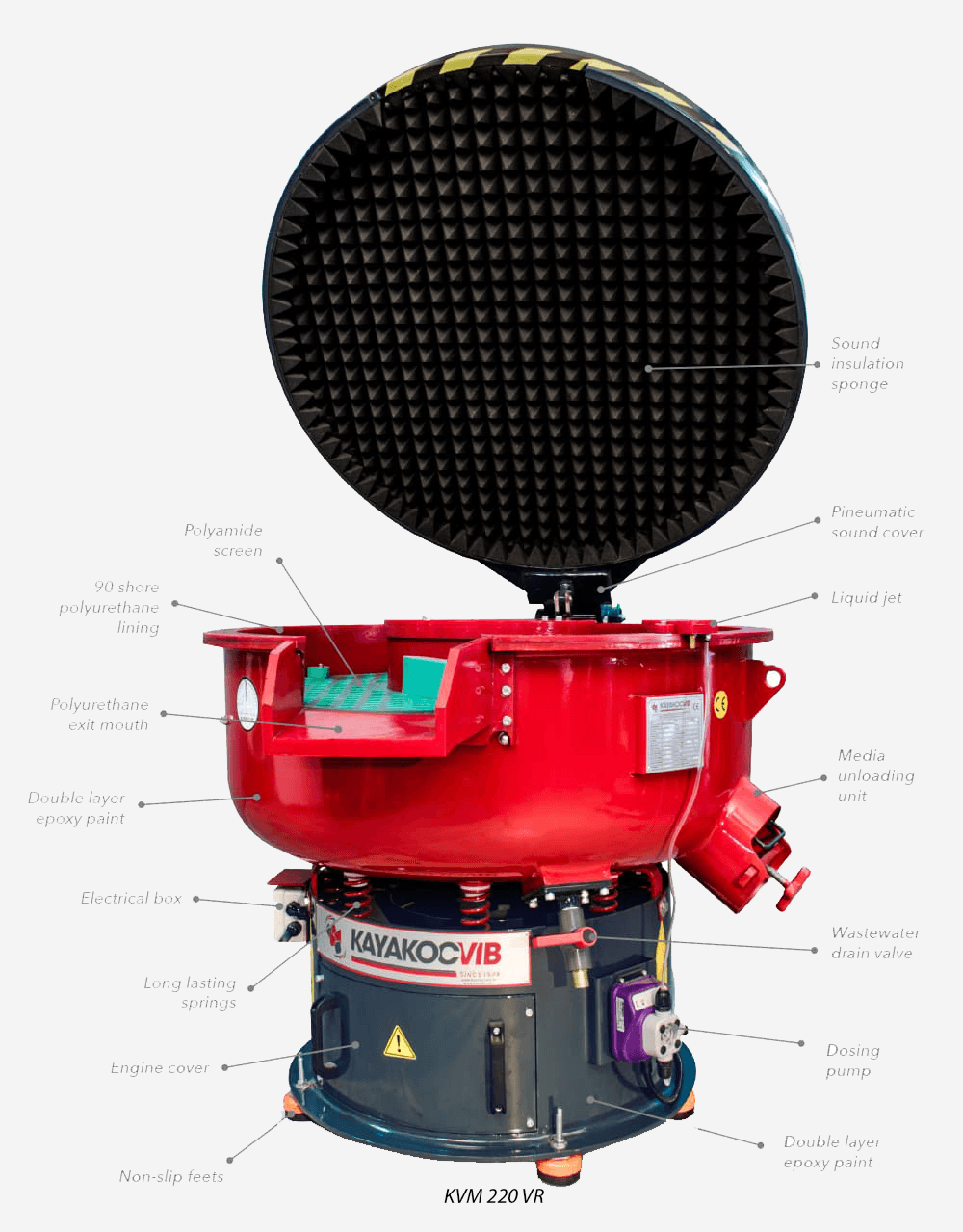
A technical comparison of vibratory and centrifugal disc finishing to help engineers select the right process based on part geometry, material, production volume, and surface quality requirements.

A technical guide to selecting centrifugal finishing media based on part material, geometry, burr size, and required surface quality for industrial production.
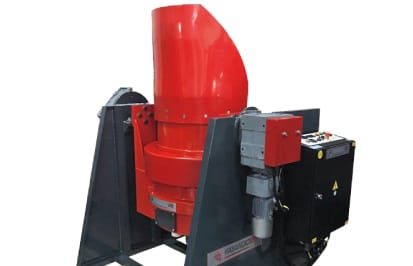
Centrifugal finishing is a high-energy mass finishing process used for deburring, polishing, and surface smoothing of small precision parts. This article explains the working principle, process sequence, parameter control, and industrial application logic.
Polishing defects in mass finishing arise from media selection errors, compound imbalance, machine loading issues, and parameter drift. This article explains root causes and corrective actions.
Burnishing and polishing are distinct surface finishing processes with different mechanisms and results. This article explains when to choose each process based on part material, geometry, and surface quality requirements.
Brass polishing for decorative applications requires a staged process route combining deburring, pre-polishing, and burnishing stages with carefully selected media, compounds, and machine settings to achieve bright, reflective surfaces.
Polishing stainless steel parts with mass finishing requires careful media, compound, and machine selection based on part geometry, surface condition, and required finish quality.
Achieving consistent surface finish in batch production requires controlled process parameters, correct media and compound selection, and validated machine settings across every production run.
Vibratory polishing is a mass finishing process used to smooth, deburr, and refine metal surfaces using abrasive or polishing media in a vibrating work bowl. This article covers the full process sequence, machine operation, media selection, and process control.
A technical walkthrough of industrial polishing process design for serial production, covering process sequencing, machine selection, media and compound logic, and quality control points.
Manual deburring vs automated deburring compared across process capability, surface quality, production volume, and cost factors for CNC, automotive, aerospace, and general manufacturing.
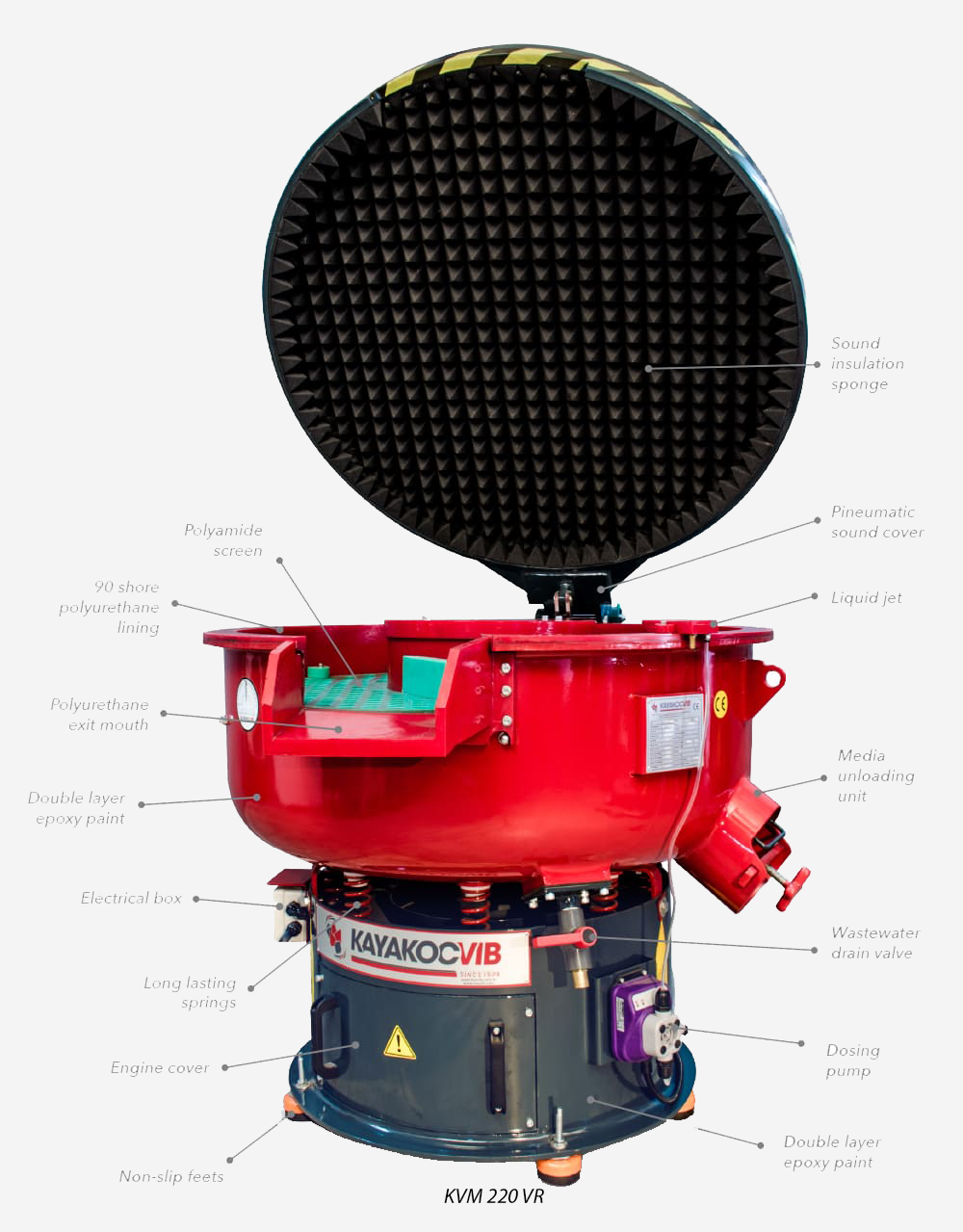
Achieving deburring without part damage requires correct media selection, machine loading, compound dosing, and process parameter control validated through sample testing.
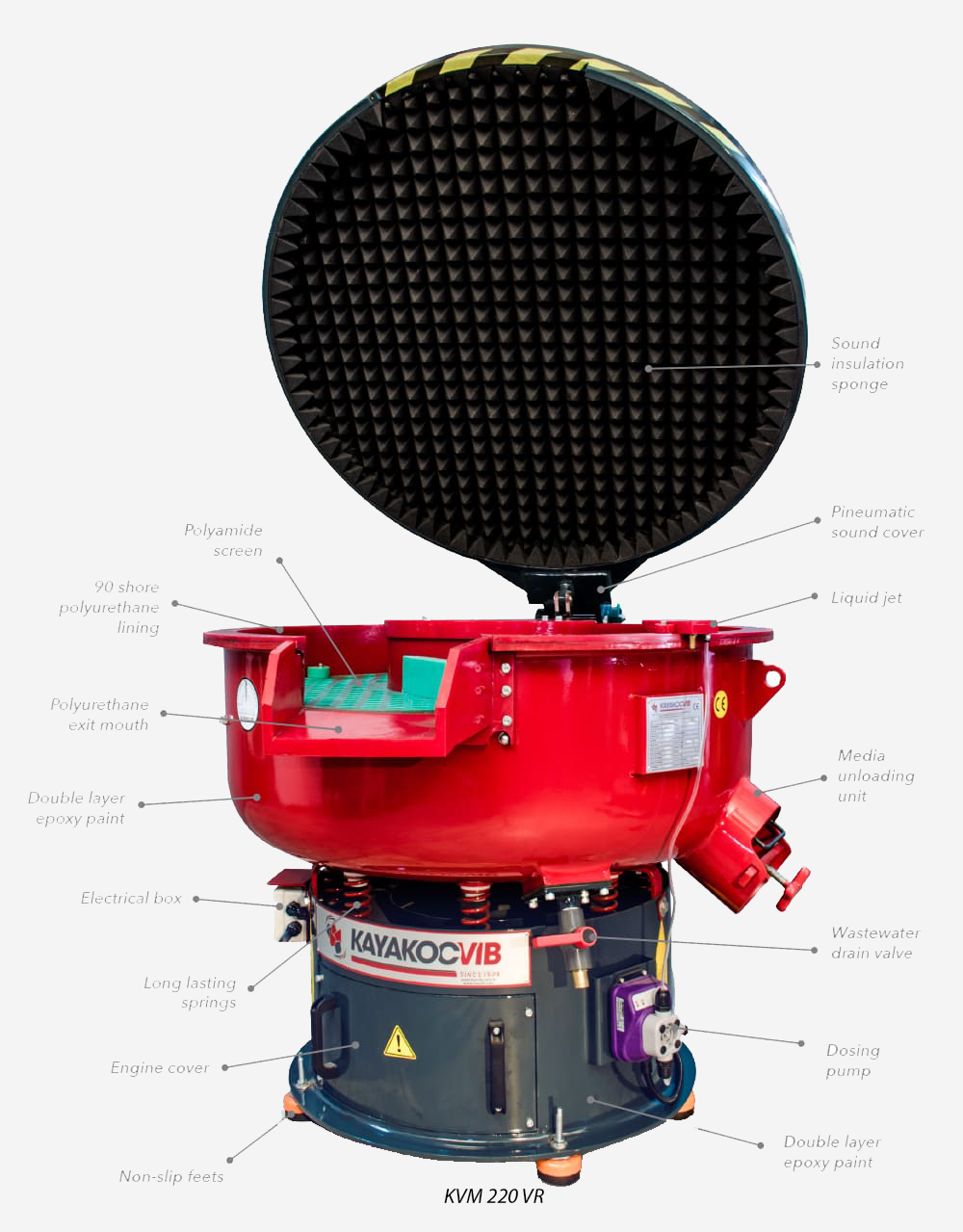
A structured engineering reference for deburring quality control across industrial finishing lines, covering inspection points, process variables, machine selection, and validation methods.
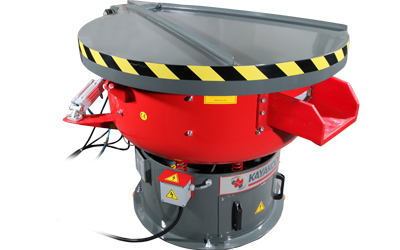
Vibratory deburring for CNC machined parts covers machine selection, media and compound logic, process parameters, and surface quality control for steel, stainless steel, and aluminum components.
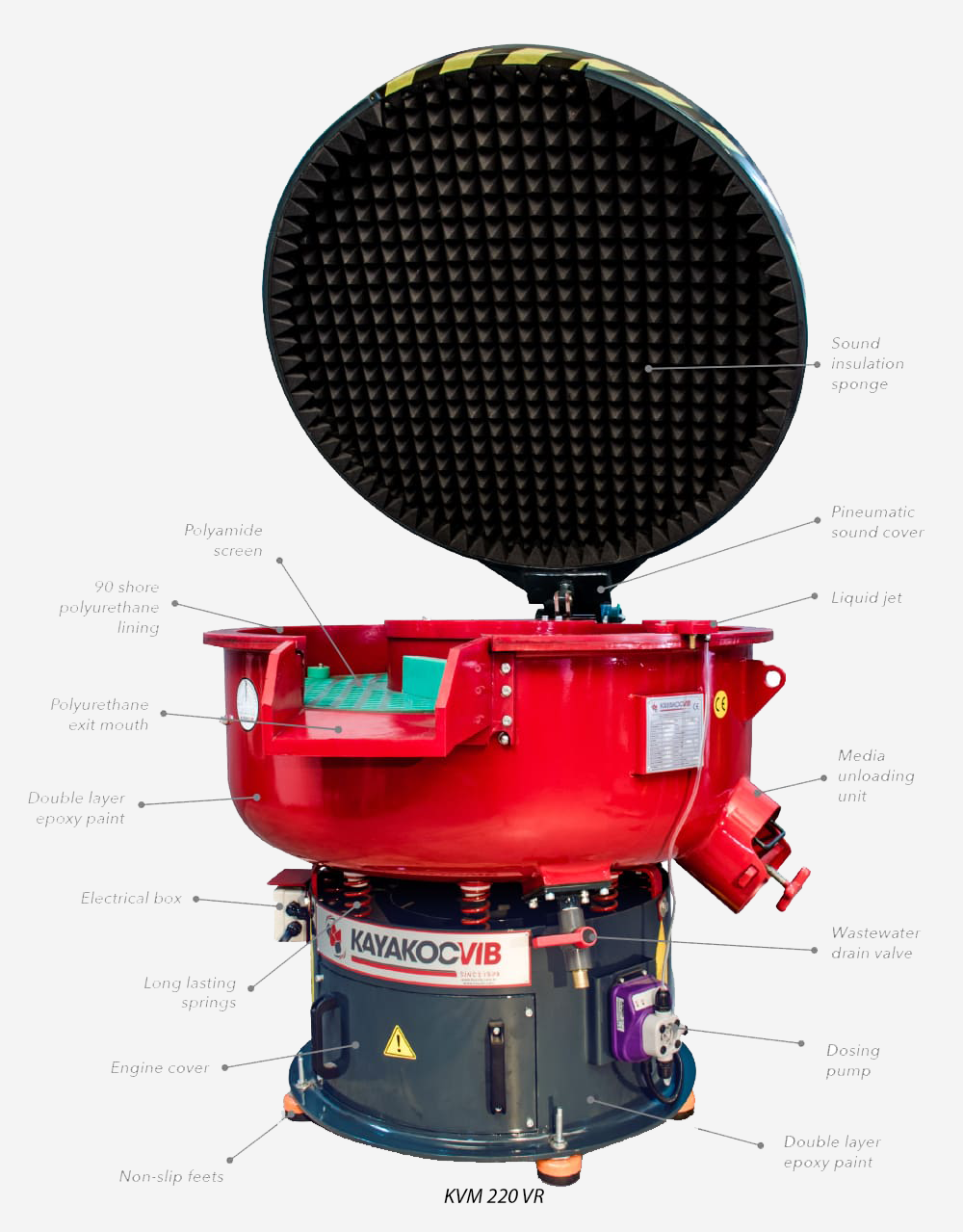
Deburring is the removal of unwanted burrs and sharp edges from machined or formed metal parts. This guide covers machine selection, media logic, and process variables for industrial applications.
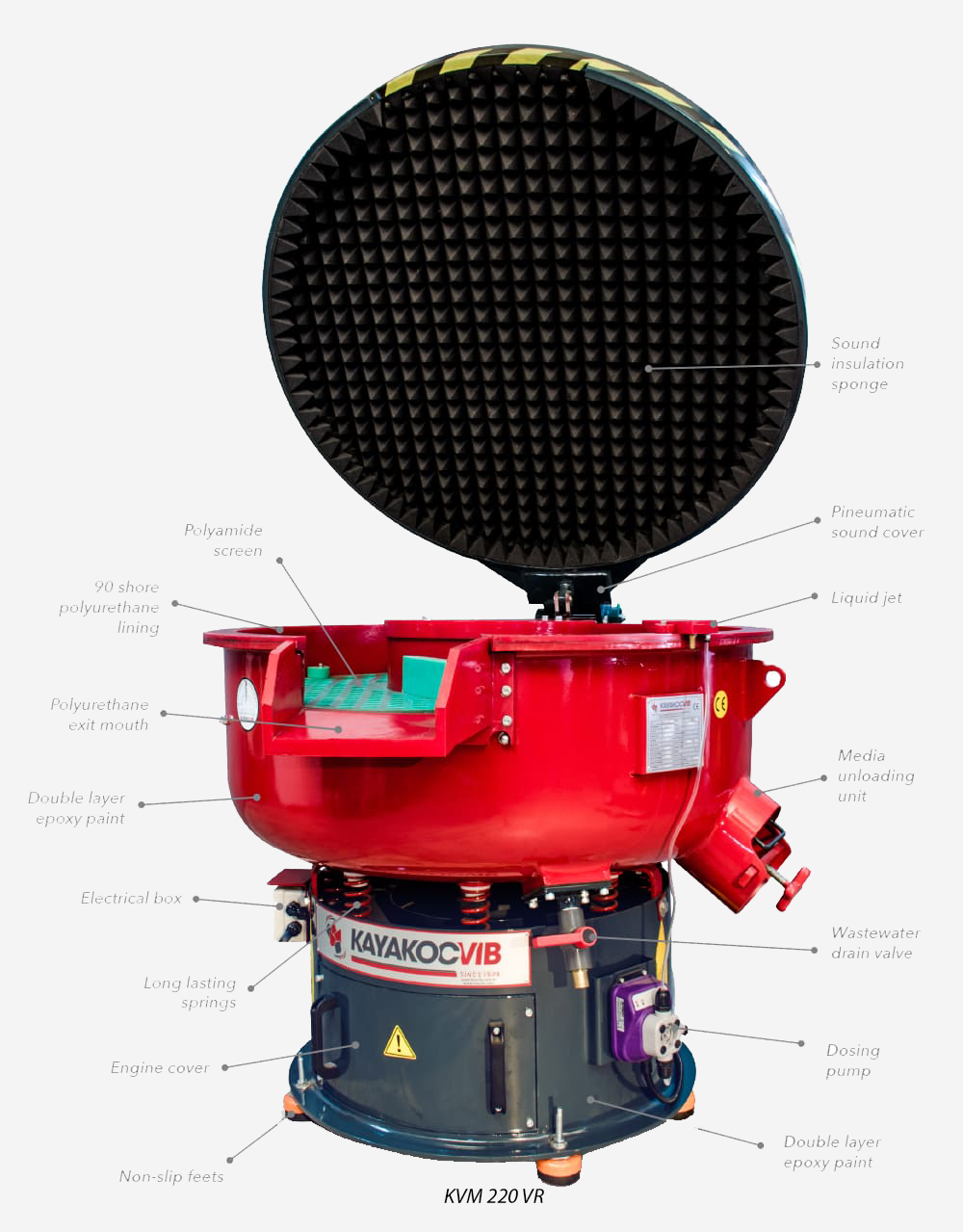
A technical process walkthrough covering micro burr removal from precision metal parts, including machine selection, media and compound logic, process parameters, and production validation.
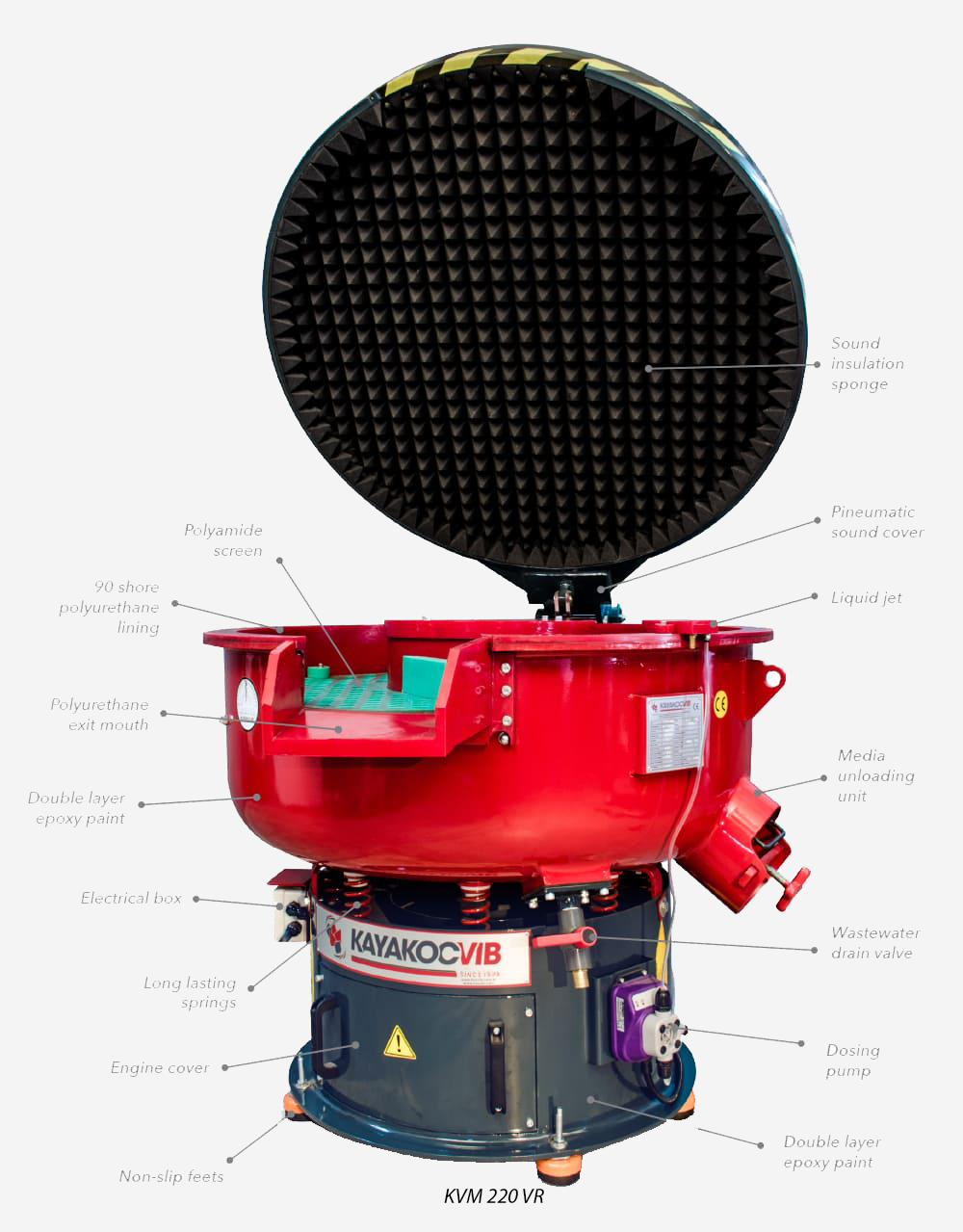
A technical guide to vibratory finishing parameters that affect surface quality, covering root causes of inconsistent results and corrective actions for process engineers.
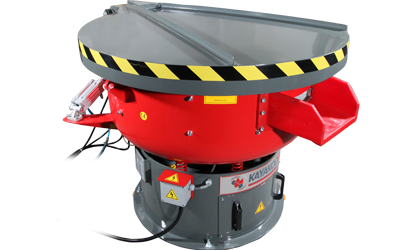
Vibratory finishing for metal parts covers deburring, edge rounding, and surface smoothing across steel, aluminum, and stainless steel components using circular and trough vibratory machines with appropriate media and compound selection.
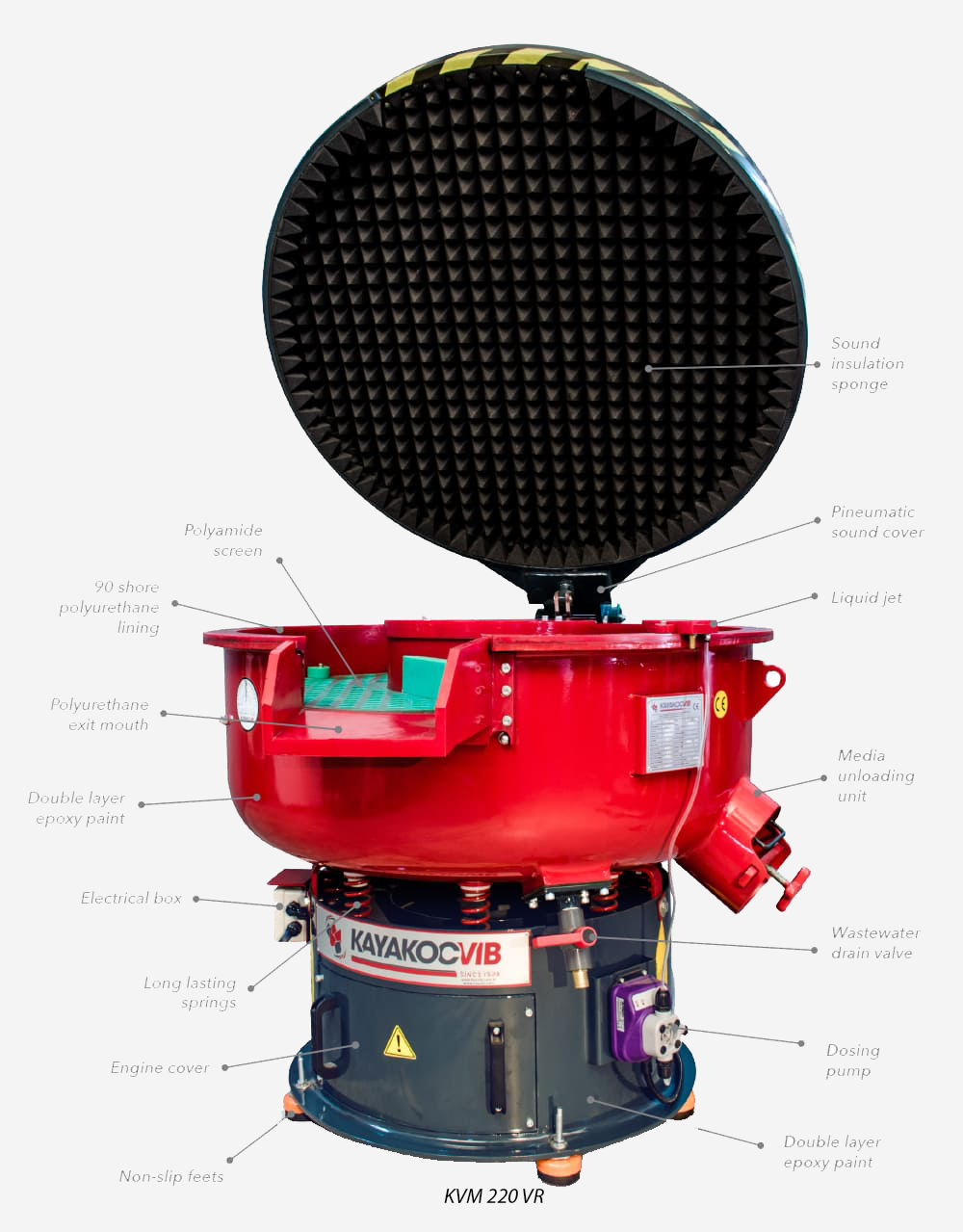
A step-by-step technical walkthrough of the vibratory finishing process, covering machine operation, media and compound selection, process parameters, and surface quality control for industrial applications.
Surface finishing process validation defines the parameter window required for repeatable production results. This article explains the full validation workflow from sample submission through production release.
Reducing manual labor in surface finishing through automated mass finishing, machine selection, and integrated line design improves throughput, consistency, and total production cost.
A technical guide on how to improve surface roughness Ra in mass finishing, covering media selection, machine choice, process parameters, and validation logic.
Finishing recipe design is the structured process of selecting and validating all finishing parameters for a new part before production release. This guide covers media selection, machine parameters, compound choice, and process validation logic.
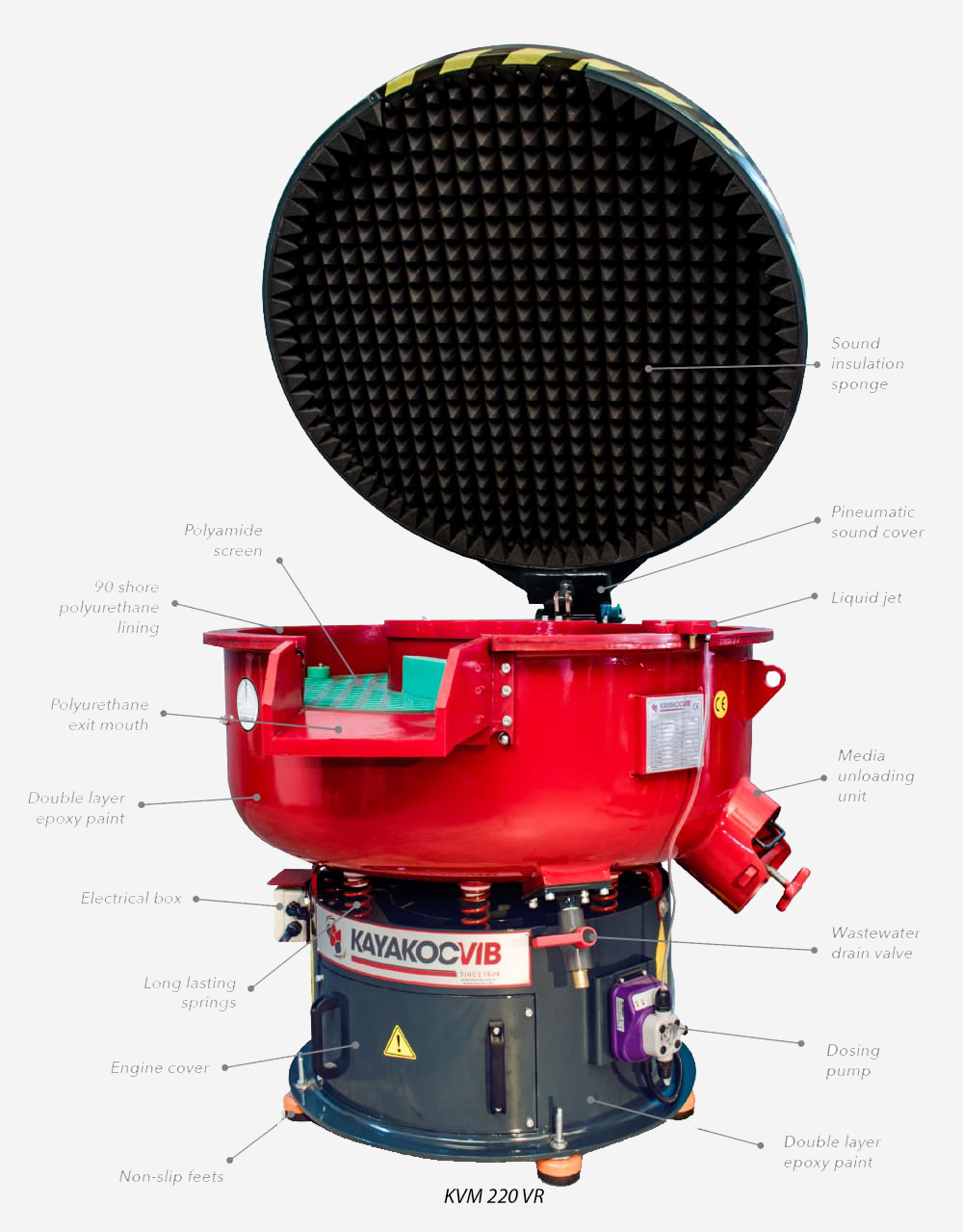
A structured engineering guide to surface finishing troubleshooting covering root causes, corrective actions, and process validation for deburring, polishing, and surface smoothing operations.
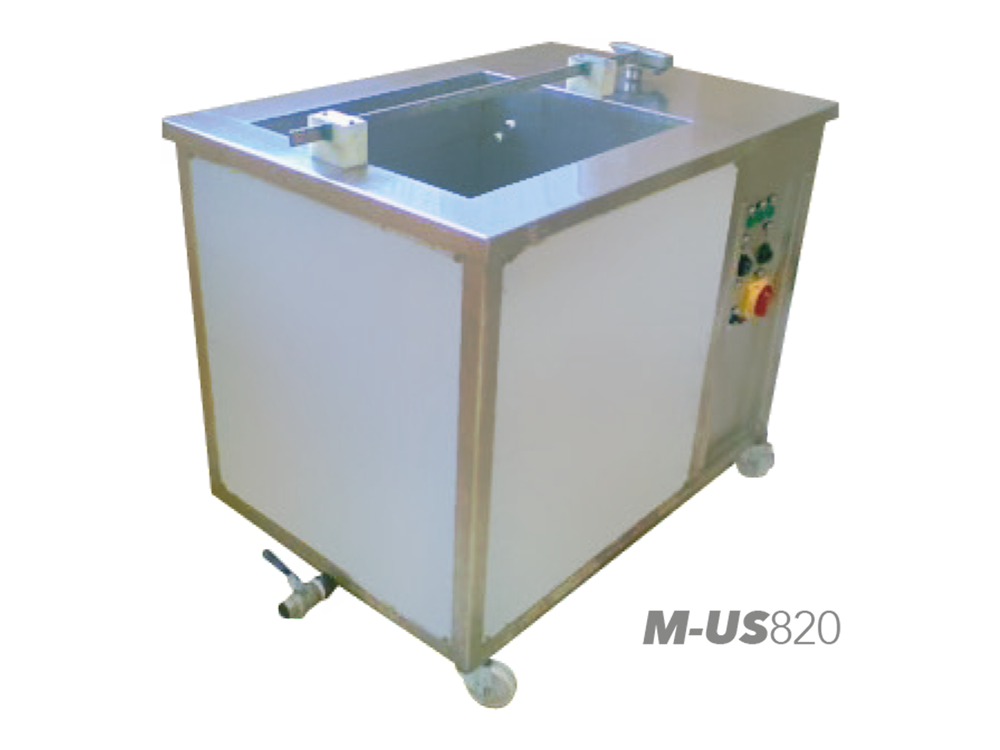
This guide explains the engineering principles and process variables behind washing and drying laser cut parts after surface finishing, including machine selection and quality control.
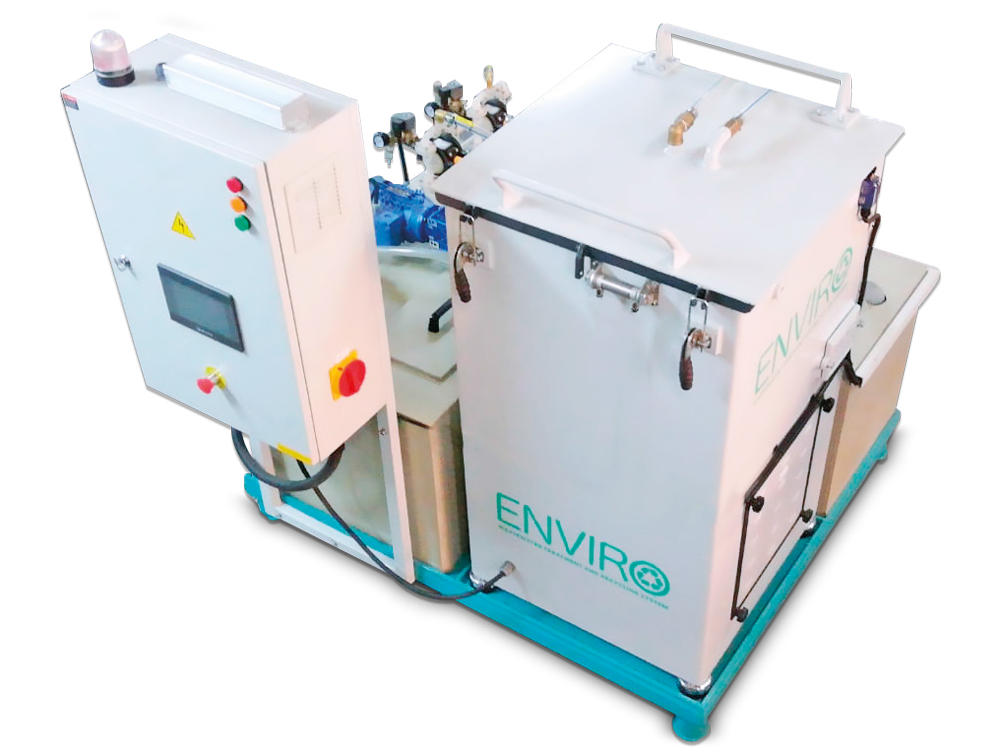
Finishing compounds directly affect wastewater chemistry, treatment complexity, and recycling feasibility in industrial finishing lines. Compound selection must account for both process performance and downstream wastewater handling.

Ceramic and plastic finishing media serve different materials and deburring requirements. This guide explains the selection logic, process variables, and industrial trade-offs between the two.
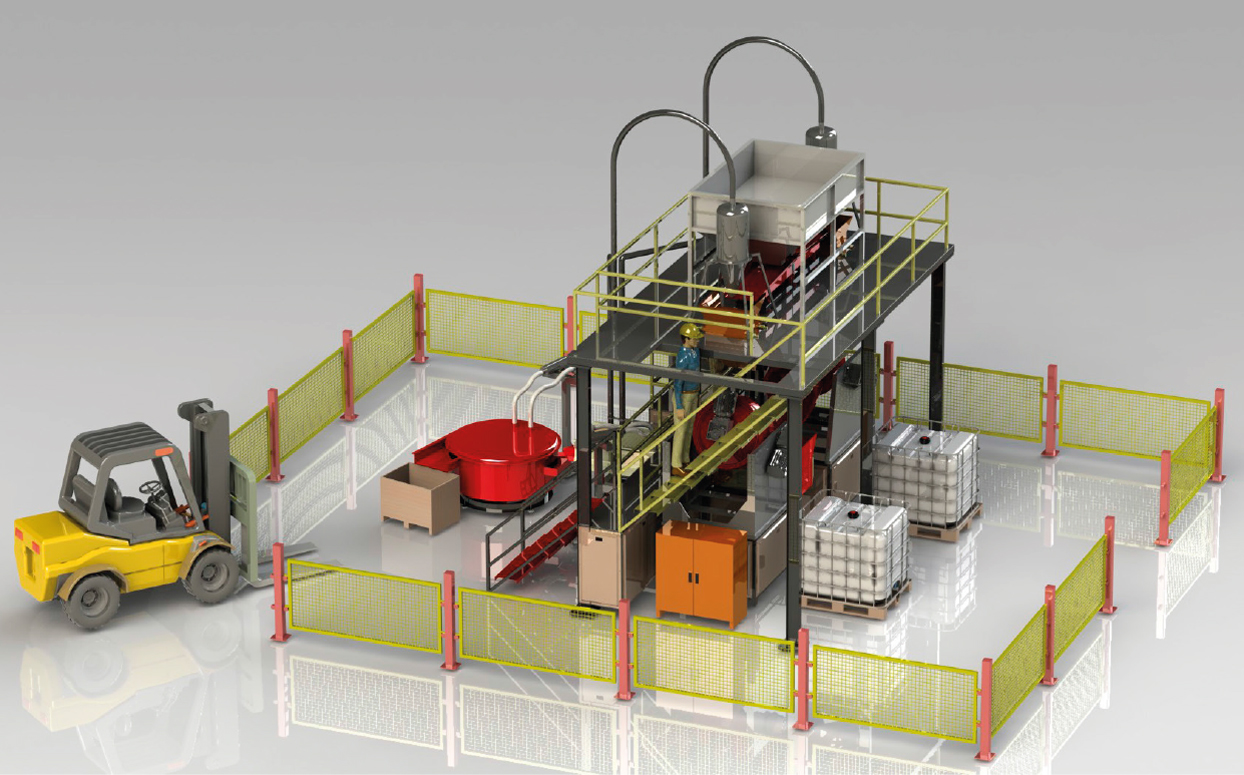
An automated coin polishing line integrates mechanical polishing, media selection, separation, and process control into a continuous production sequence for minting and medal manufacturing.
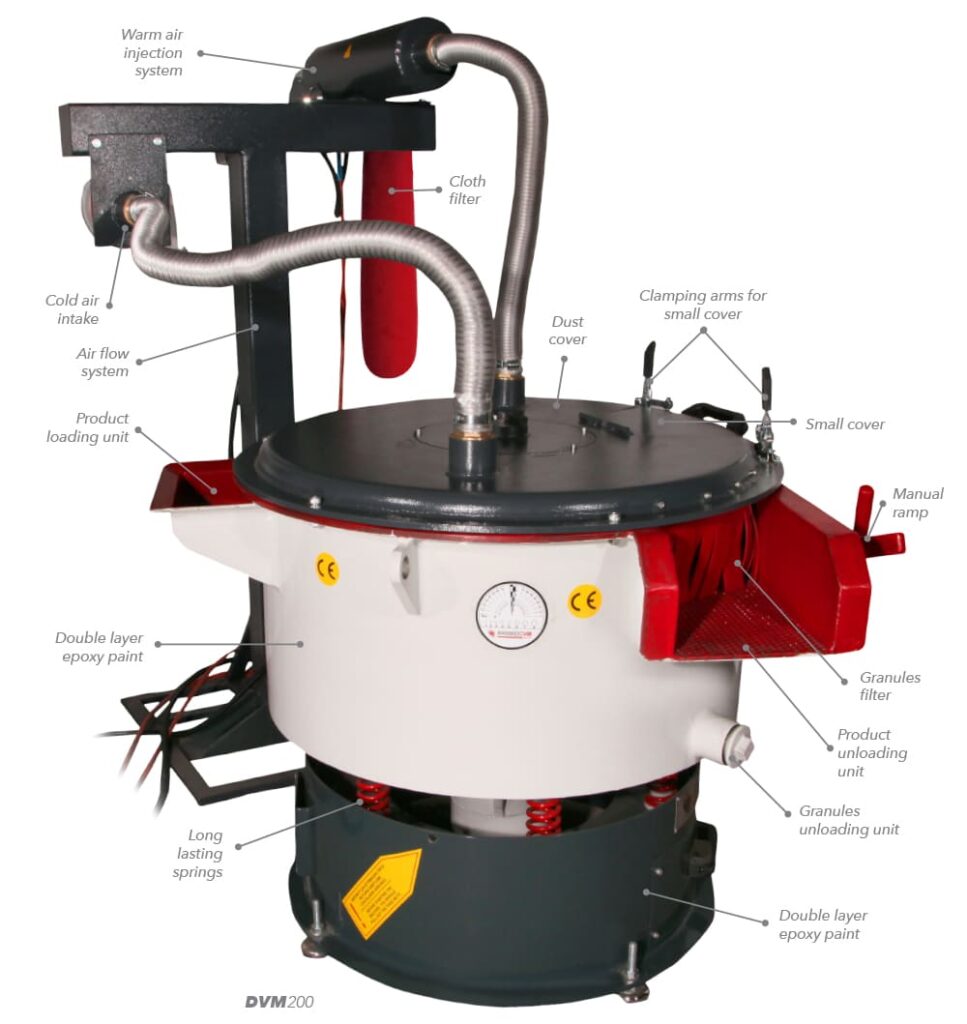
Compares hot air drying and vibratory drying for industrial surface finishing, covering process logic, machine selection, and surface quality factors.
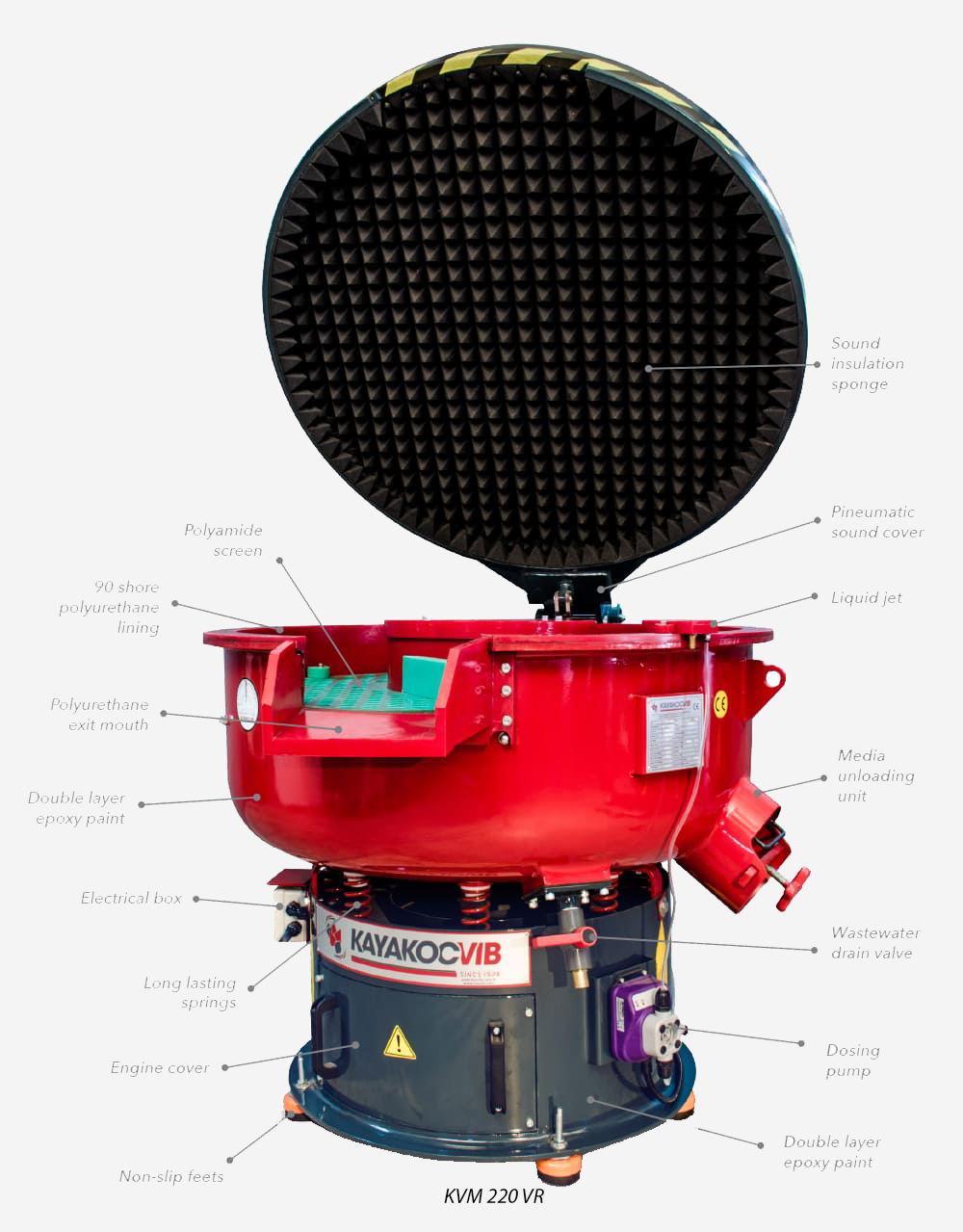
Repeatable vibratory finishing depends on controlled process variables including machine settings, media type, compound dosing, cycle time, and load consistency. This guide explains the engineering factors that determine batch-to-batch consistency.
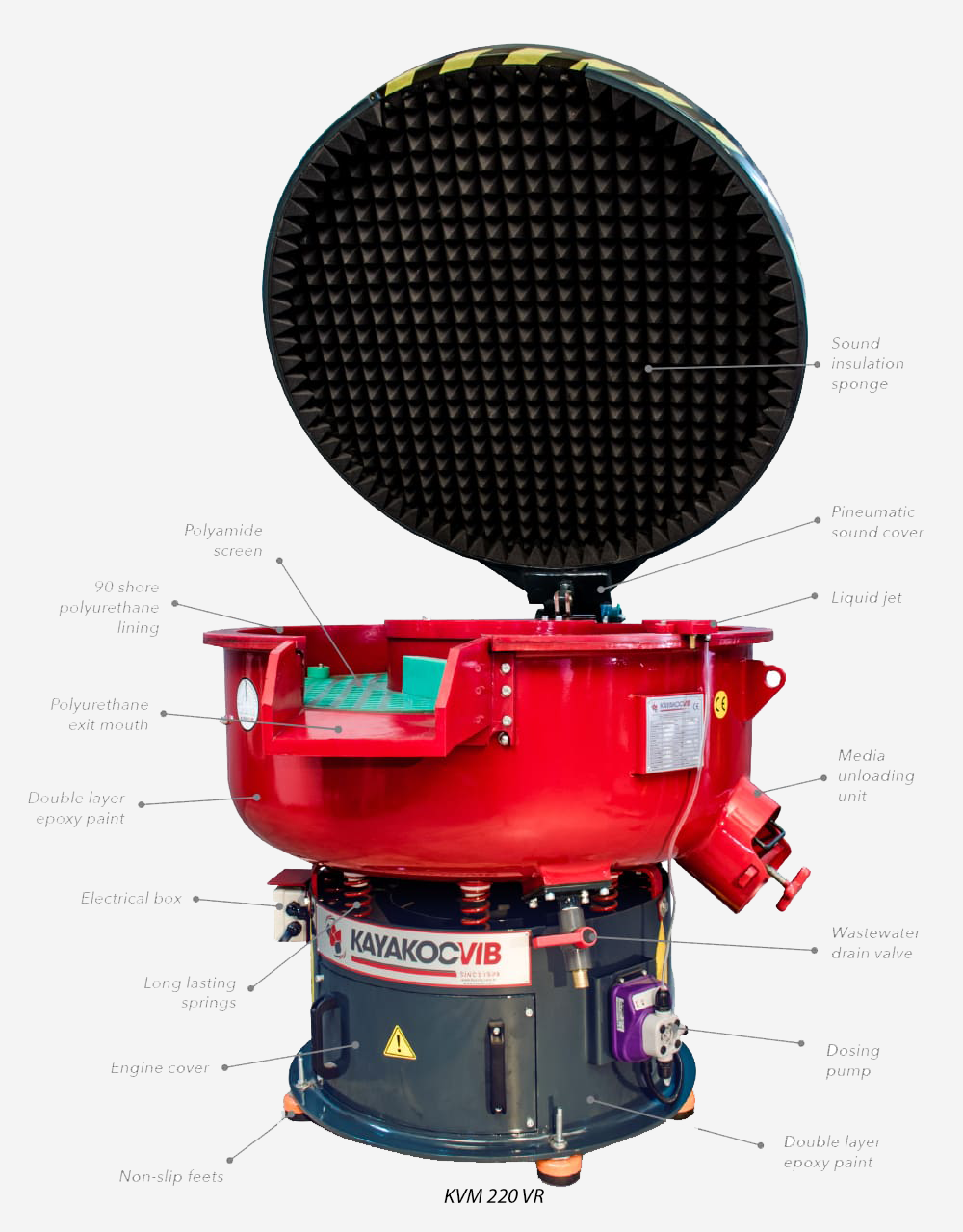
Edge rounding vs deburring are related but distinct surface finishing operations with different engineering objectives, process parameters, and quality outcomes.
Surface roughness after CNC machining can be significantly improved through mass finishing processes such as vibratory and drag finishing, depending on material, media selection, and process parameters.
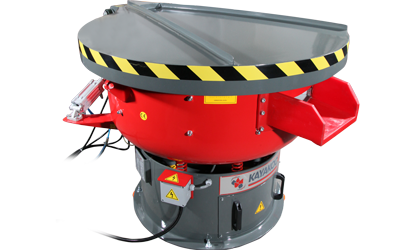
A technical comparison of tumbling and vibratory finishing for casting parts, covering process mechanics, media selection, machine suitability, and key engineering trade-offs.
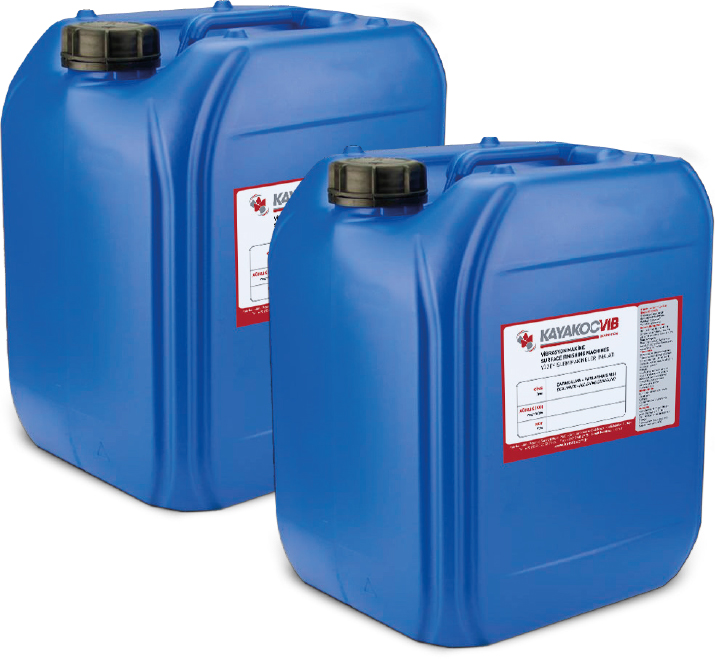
Compound concentration in vibratory finishing directly controls cutting action, surface quality, and media condition. This guide covers dosing logic, concentration variables, and process optimization for industrial applications.
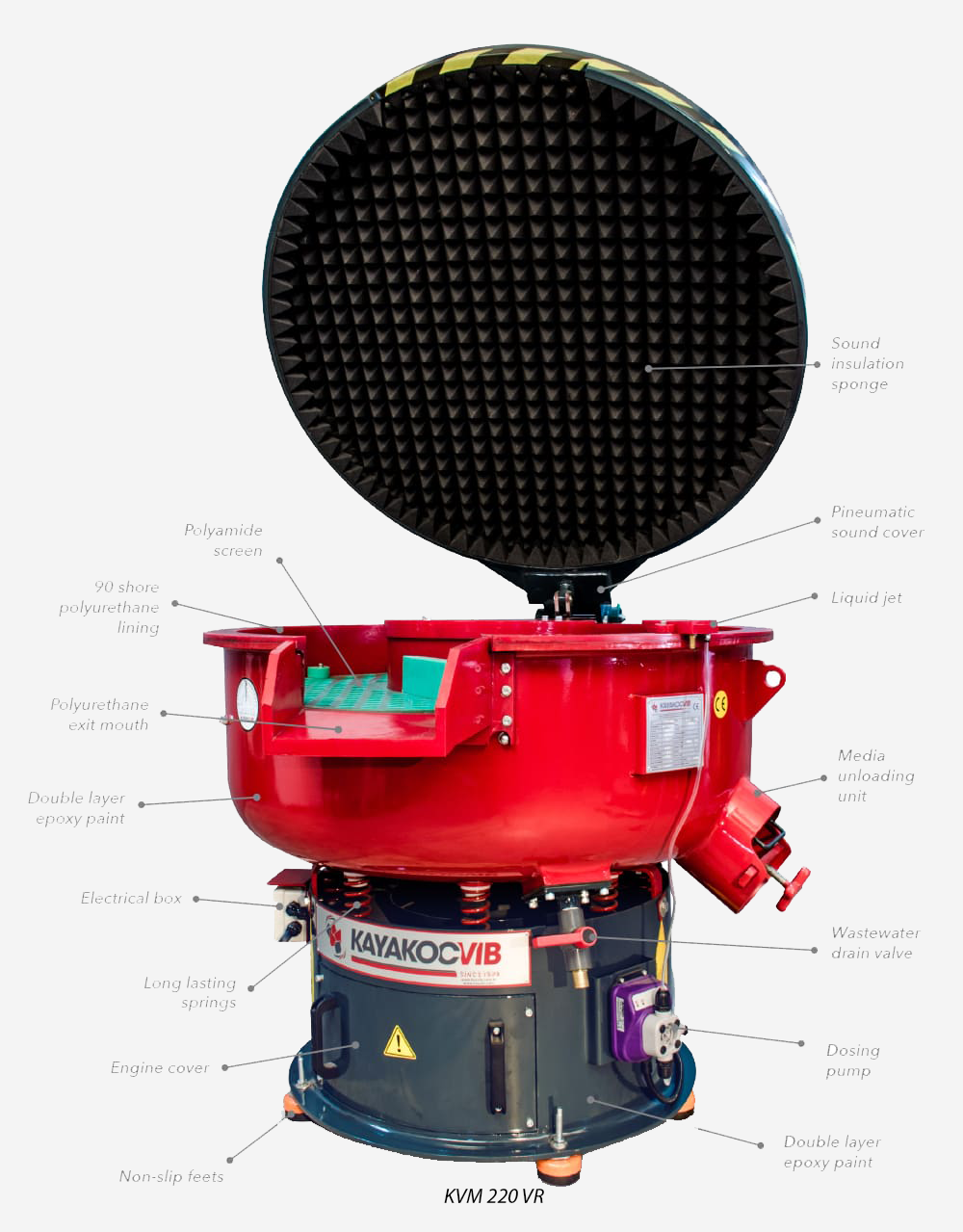
A structured engineering comparison of deburring cost calculation for manual and automated processes, covering labor, cycle time, media, machine, and quality cost factors.
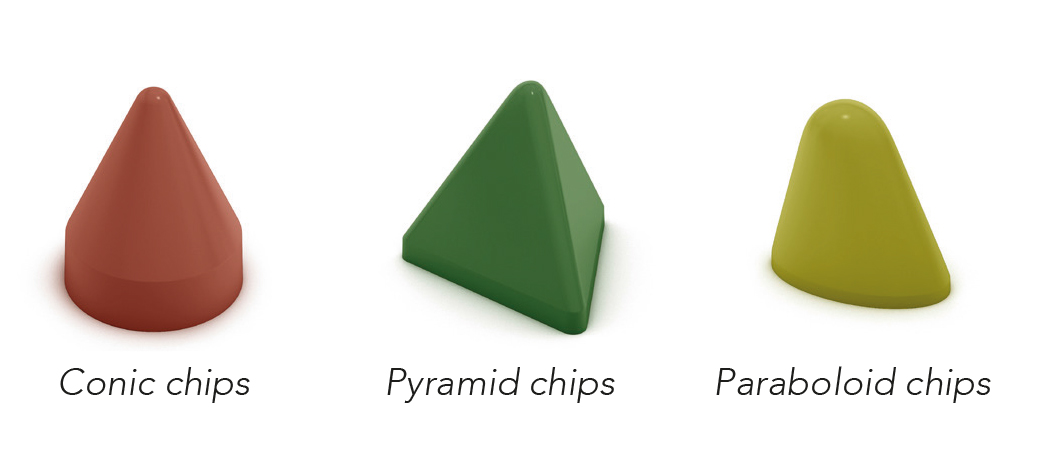
Surface smoothing and polishing are distinct finishing stages with different objectives, media requirements, and surface quality outcomes. Understanding the difference is essential for selecting the correct process route.
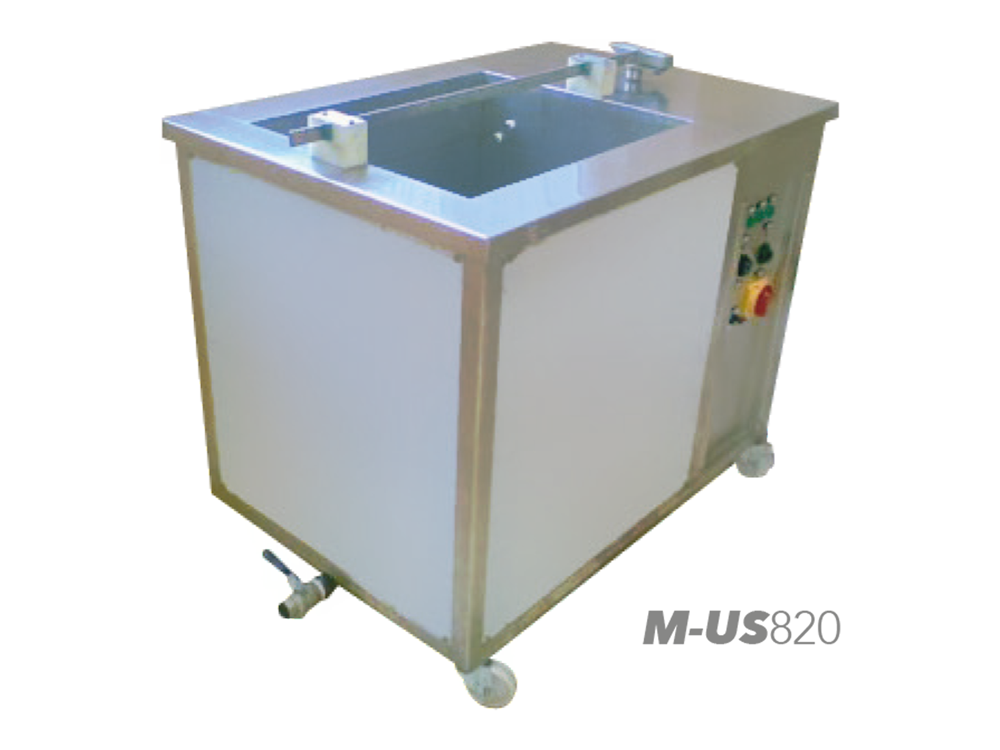
Cleaning after vibratory finishing removes media residue, compound film, and metal fines to protect surface quality. Process selection depends on part geometry, material, and downstream requirements.
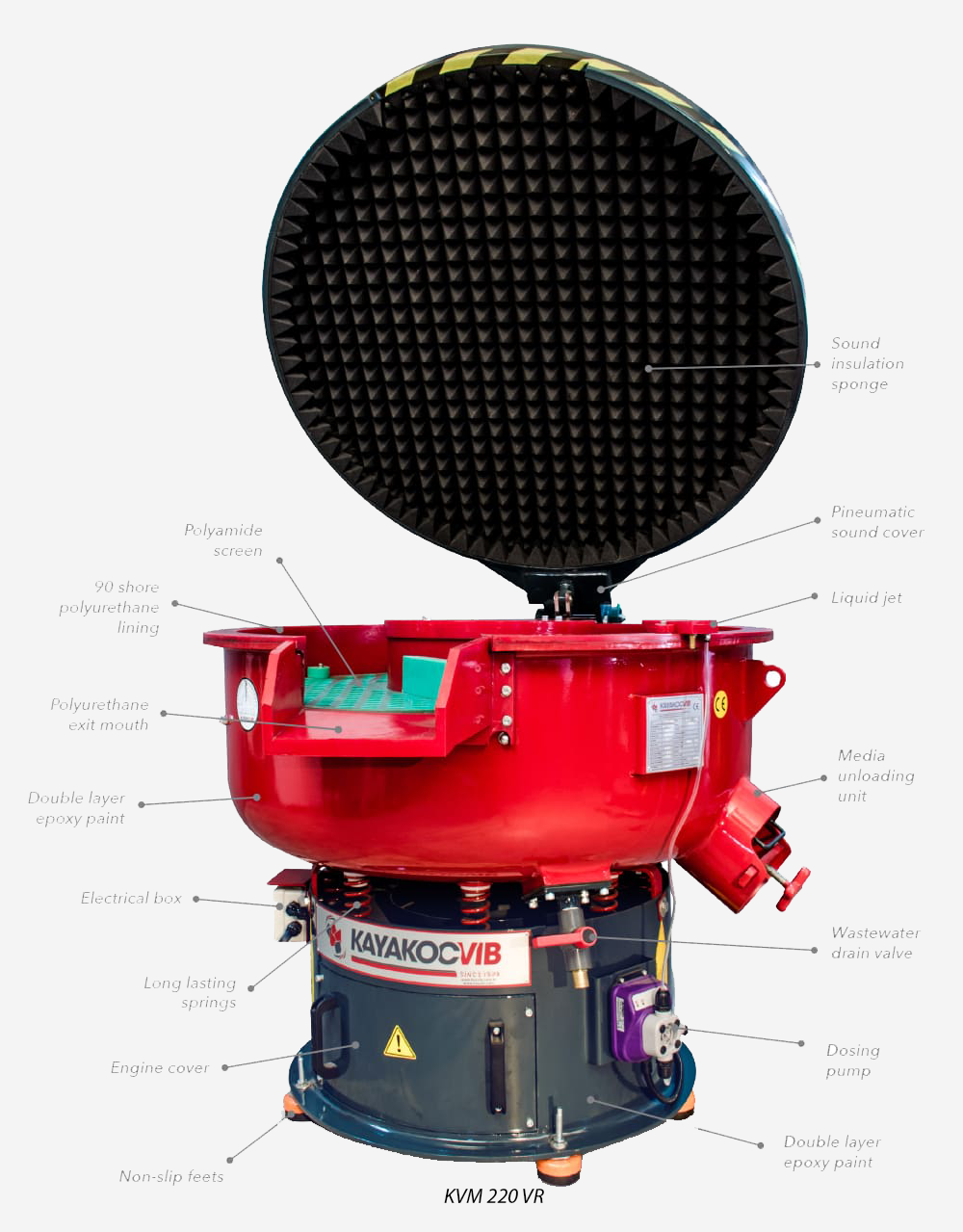
Vibratory finishing machine capacity calculation determines load volume, media ratio, and throughput to match machine size with production requirements accurately.
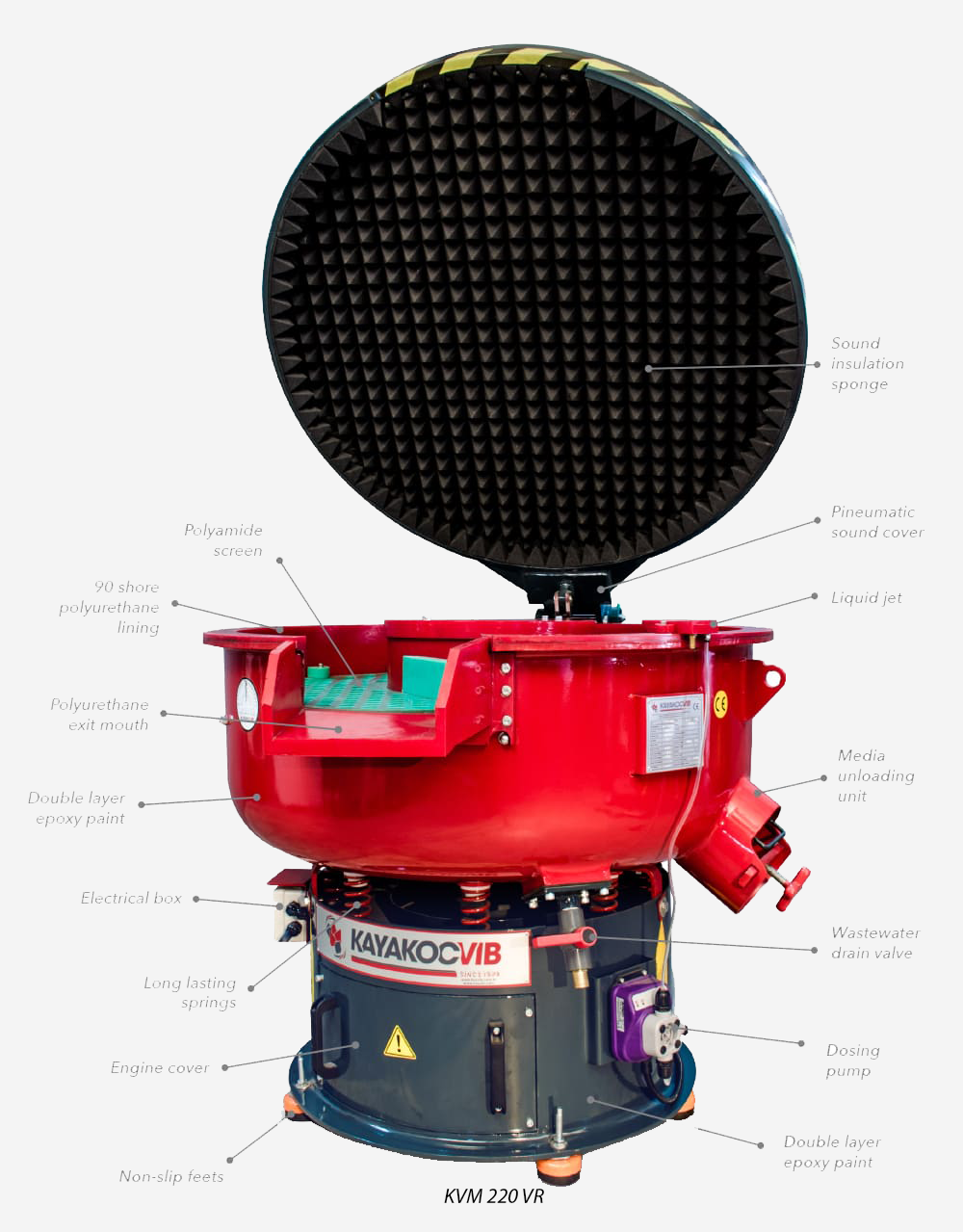
This article identifies the most common vibratory finishing mistakes across media, compound, loading, and parameter decisions, with corrective actions for engineers and production managers.
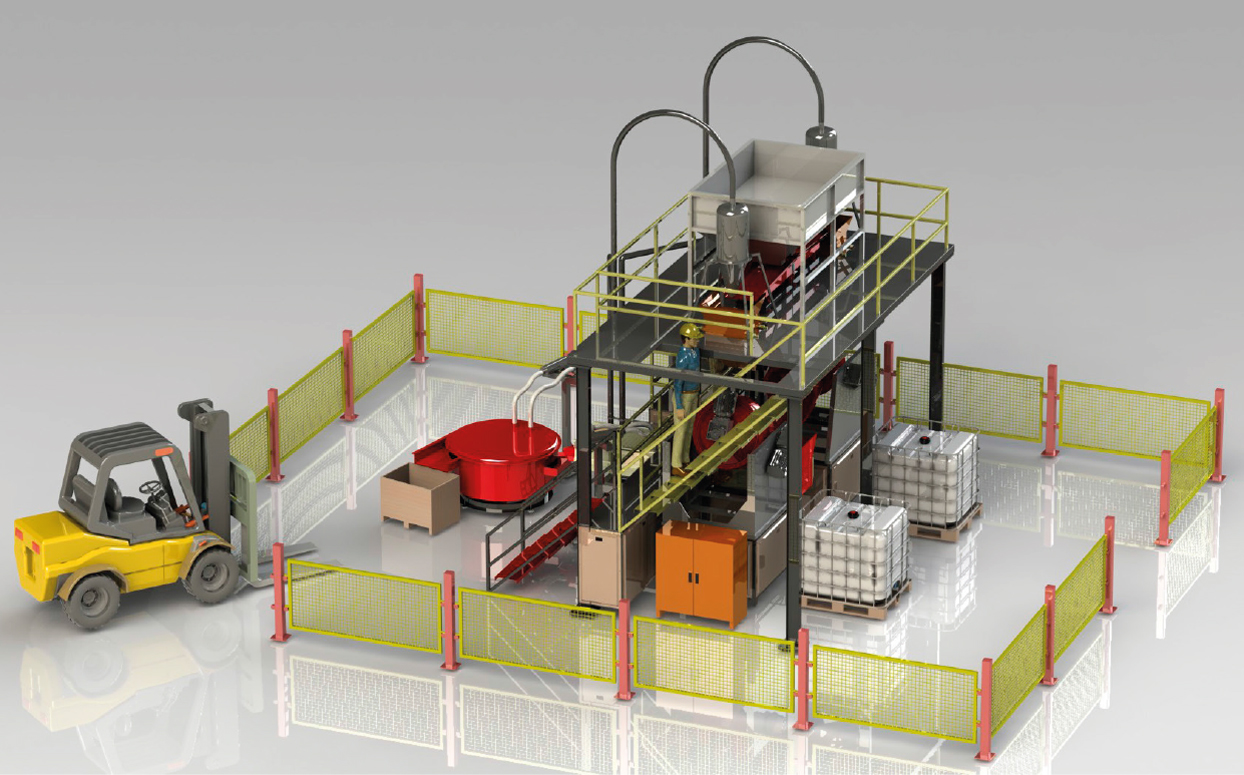
Selecting a coin polishing line requires careful evaluation of blank material, production volume, surface quality targets, and automation requirements specific to minting operations.
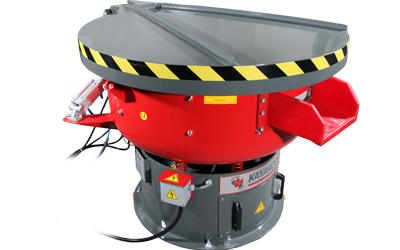
A technical CNC deburring case study walkthrough covering the transition from manual to automated finishing, including machine selection, media setup, and process validation.
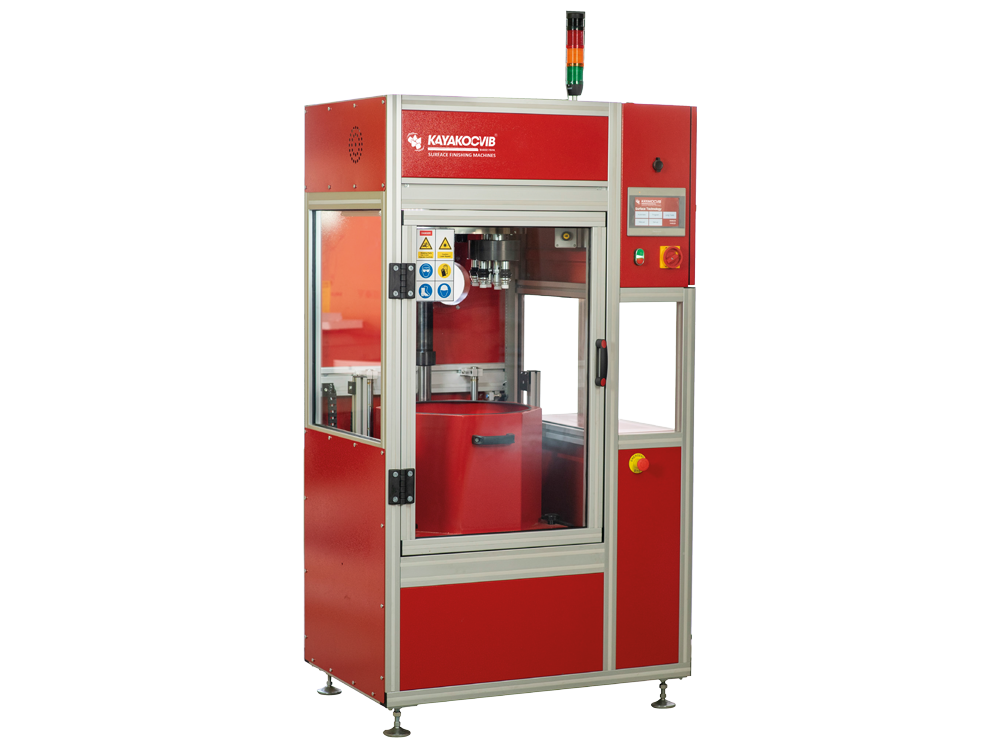
Deburring titanium aerospace parts requires careful process selection due to titanium's hardness and sensitivity to heat and contamination. This article covers machine selection, media choice, and process parameters for aerospace production.
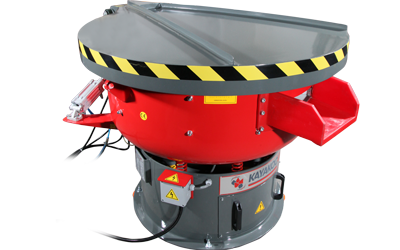
Selecting the right finishing machine for CNC parts depends on part geometry, material, burr condition, and required surface quality. This guide covers machine types, selection criteria, and process considerations for CNC machining companies.
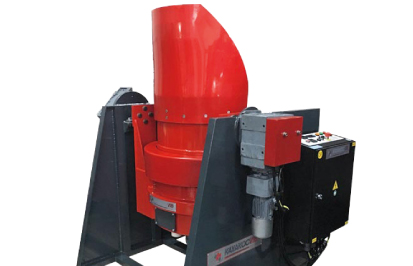
Aerospace centrifugal finishing uses high-energy disc machines to deburr, smooth, and polish aluminum and titanium components to tight surface quality requirements.
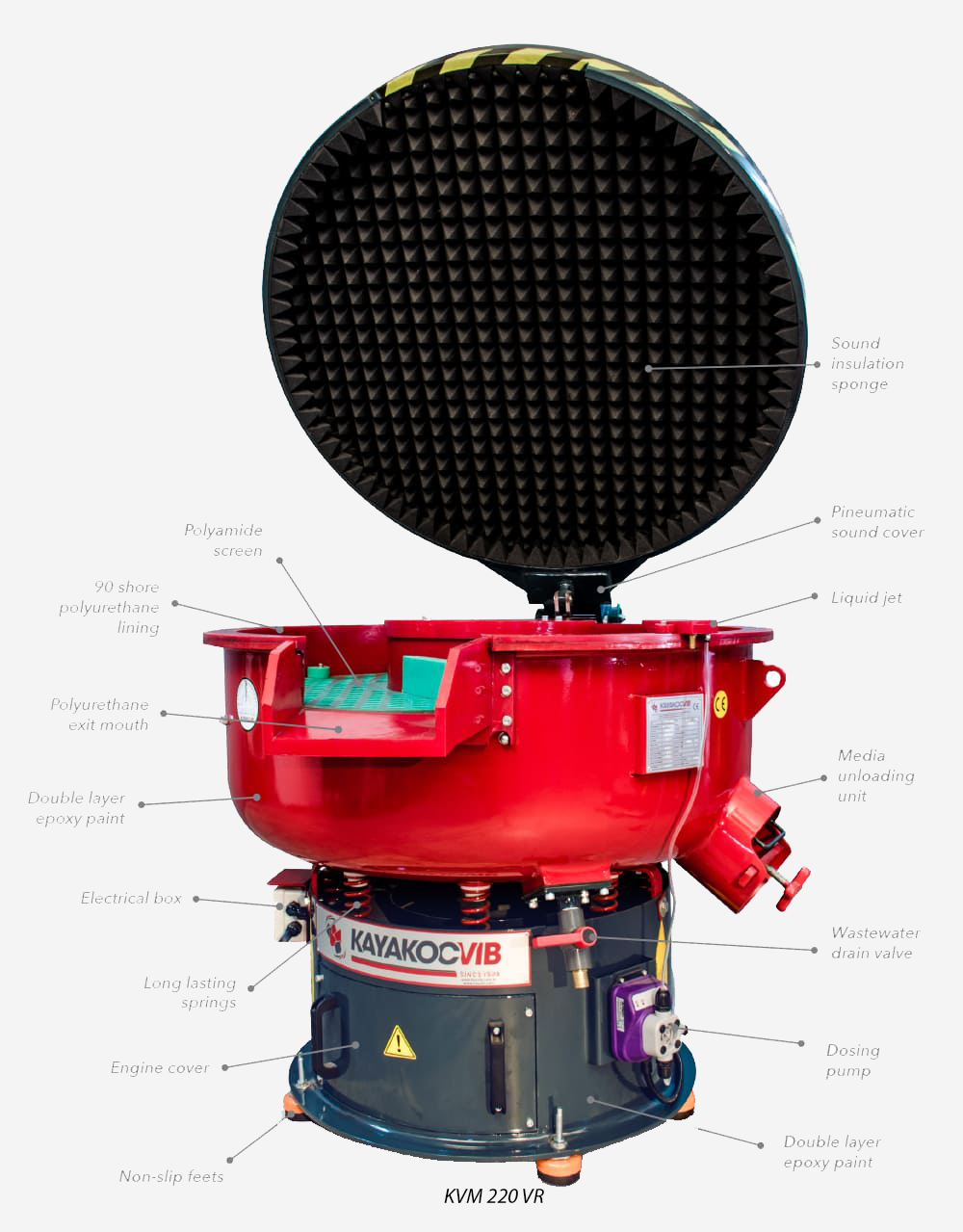
A technical guide to optimizing vibratory finishing cycle time through root cause analysis, media and compound selection, and machine parameter tuning.
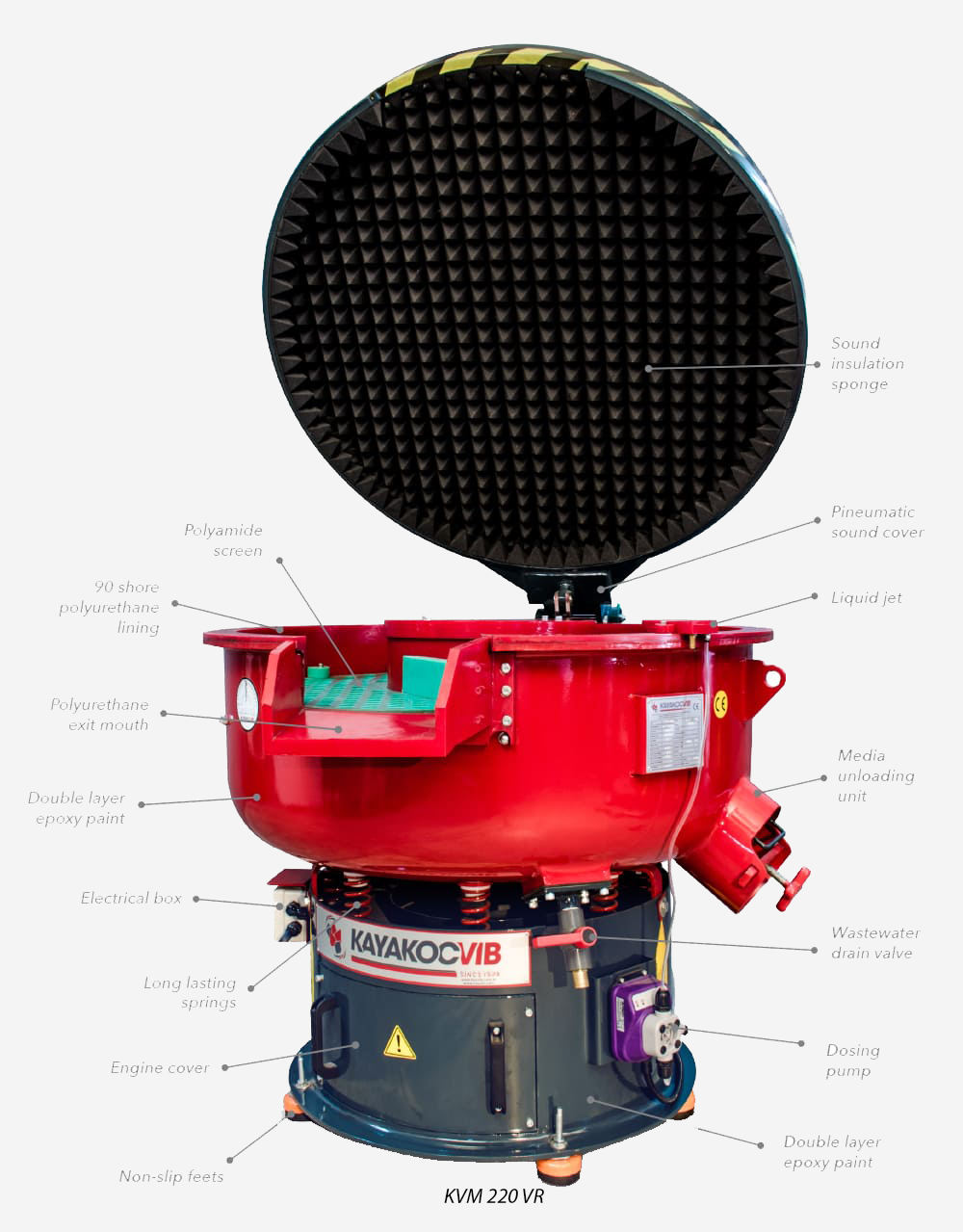
Scratches in vibratory finishing have identifiable root causes in media type, loading, compound flow, and machine settings. This article explains how to diagnose and correct them.
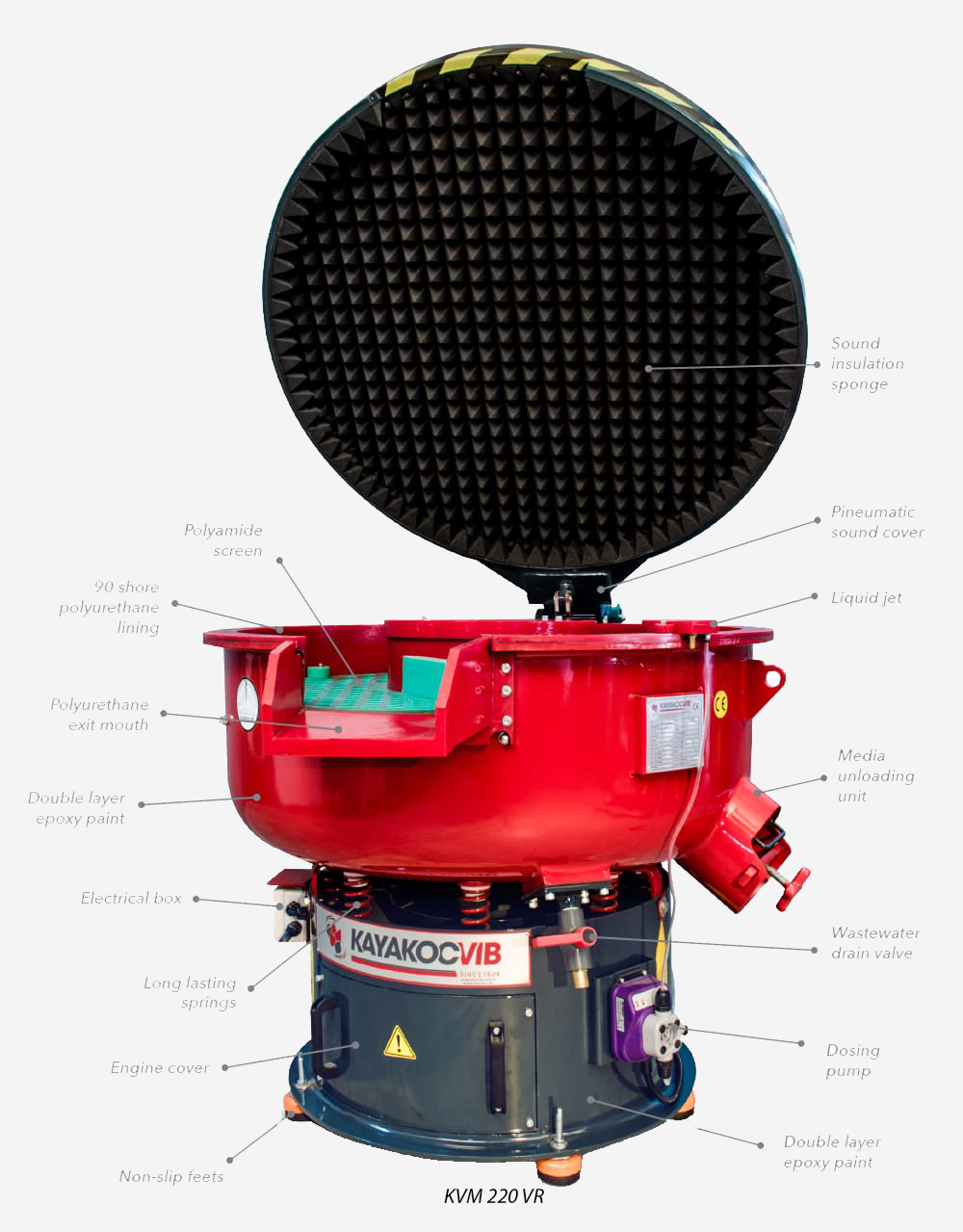
Vibratory finishing is a mass finishing process used to deburr, polish, and smooth metal parts. This article explains the process sequence, machine operation, media selection, and key process variables.
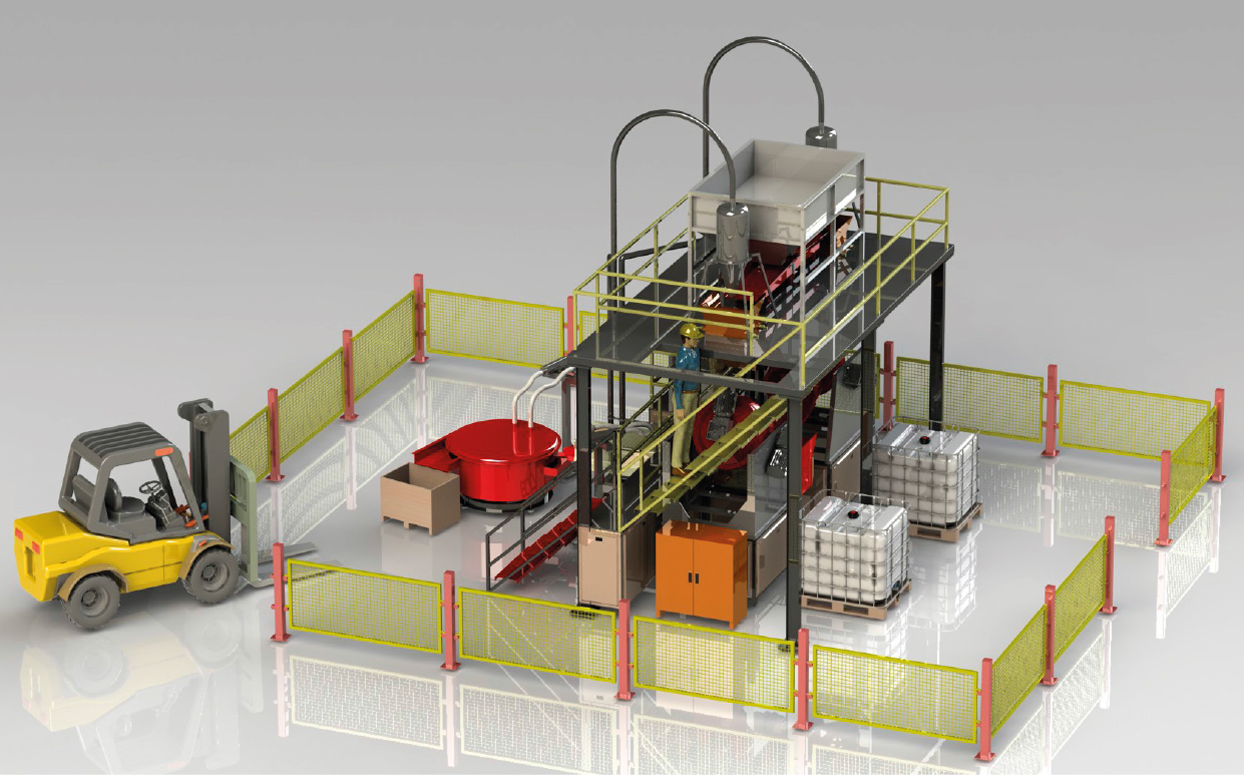
A surface finishing automation line integrates deburring, polishing, separation, washing, and drying into a continuous production sequence. This article explains how such lines are engineered, where they fail, and how to optimize them.
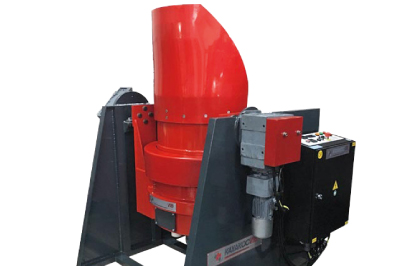
A technical process walkthrough explaining how centrifugal disc finishing machines work, covering operating principles, process sequence, parameter control, and industrial application logic.
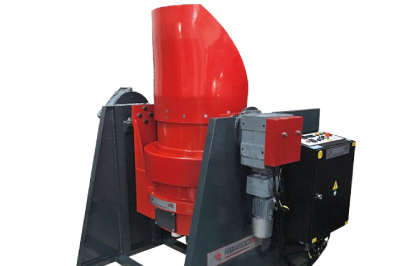
Aerospace surface finishing covers deburring, edge rounding, and polishing of aluminum and titanium components using centrifugal disc and drag finishing machines with carefully selected media and compounds.
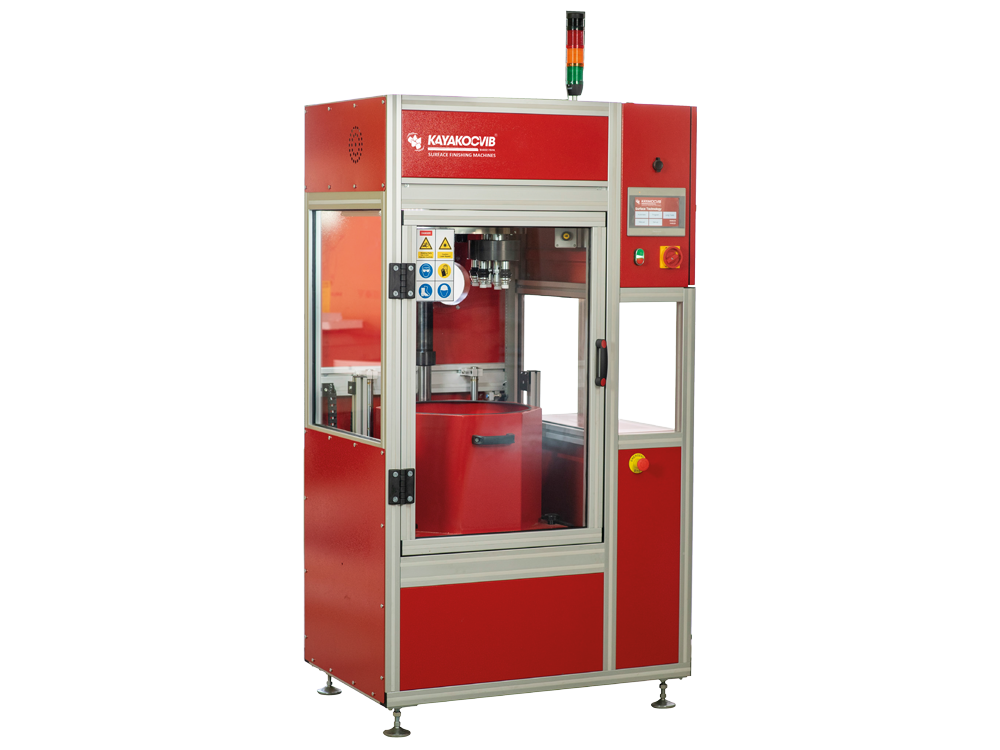
Titanium implant surface finishing requires precise process control, appropriate machine selection, and compatible media and compounds to meet strict medical surface quality requirements.
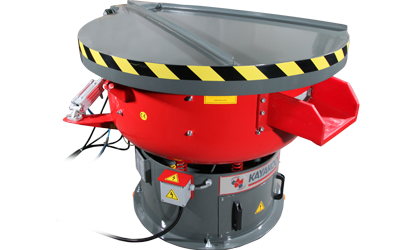
A practical fastener deburring case study comparing manual brushing against vibratory finishing, covering machine selection, media choice, process parameters, and surface quality outcomes.
Metal deburring removes sharp edges and burrs from machined or formed metal parts. This article explains the full process sequence, machine selection logic, media and compound choices, and key quality control points.
Finishing brake and chassis components requires precise deburring, edge conditioning, and surface smoothing to meet functional and safety requirements. This article covers process selection, machine and media recommendations, and quality control for automotive applications.
Mass finishing and vibratory finishing are closely related but distinct concepts. This article explains the technical differences, process variables, machine selection logic, and industrial applications for each approach.
Surface smoothing of cast metal components requires a structured process approach combining machine selection, media choice, and compound chemistry matched to the casting material and required surface quality.
An automated deburring line integrates feeding, finishing, separation, washing, and drying stages into a continuous production sequence for consistent edge rounding and surface quality.
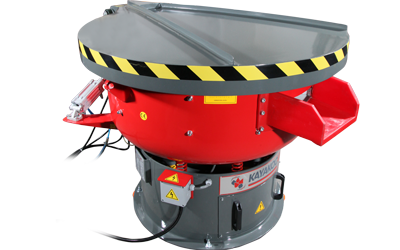
Deburring stamped parts with vibratory machines covers media selection, machine type, process parameters, and quality control for steel, stainless, and aluminum stampings.
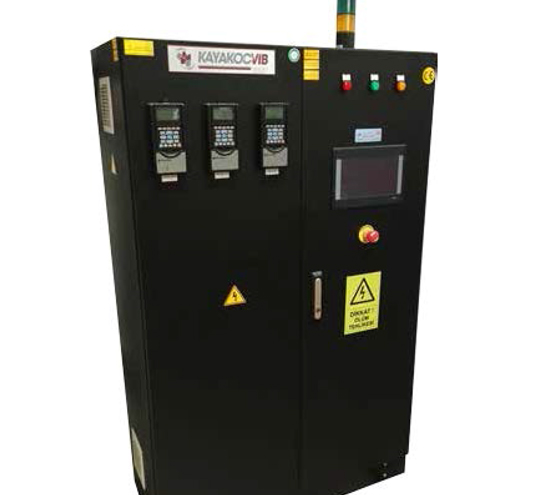
Explains how to evaluate the ROI of an automated deburring machine, including cost drivers, selection criteria, and payback calculation logic for industrial manufacturers.
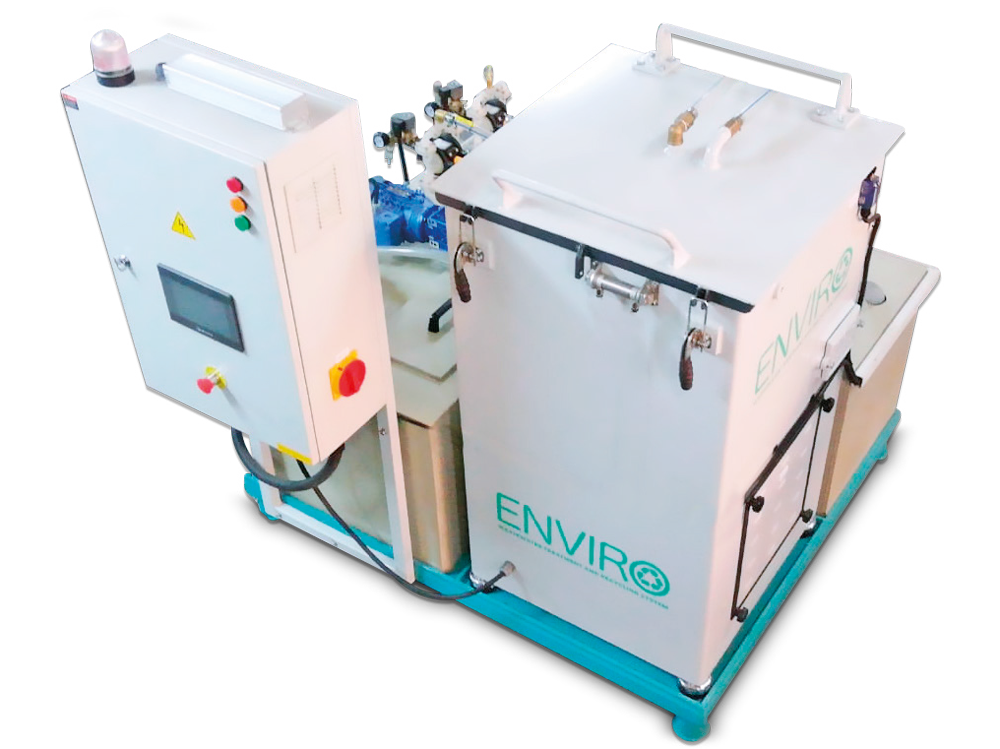
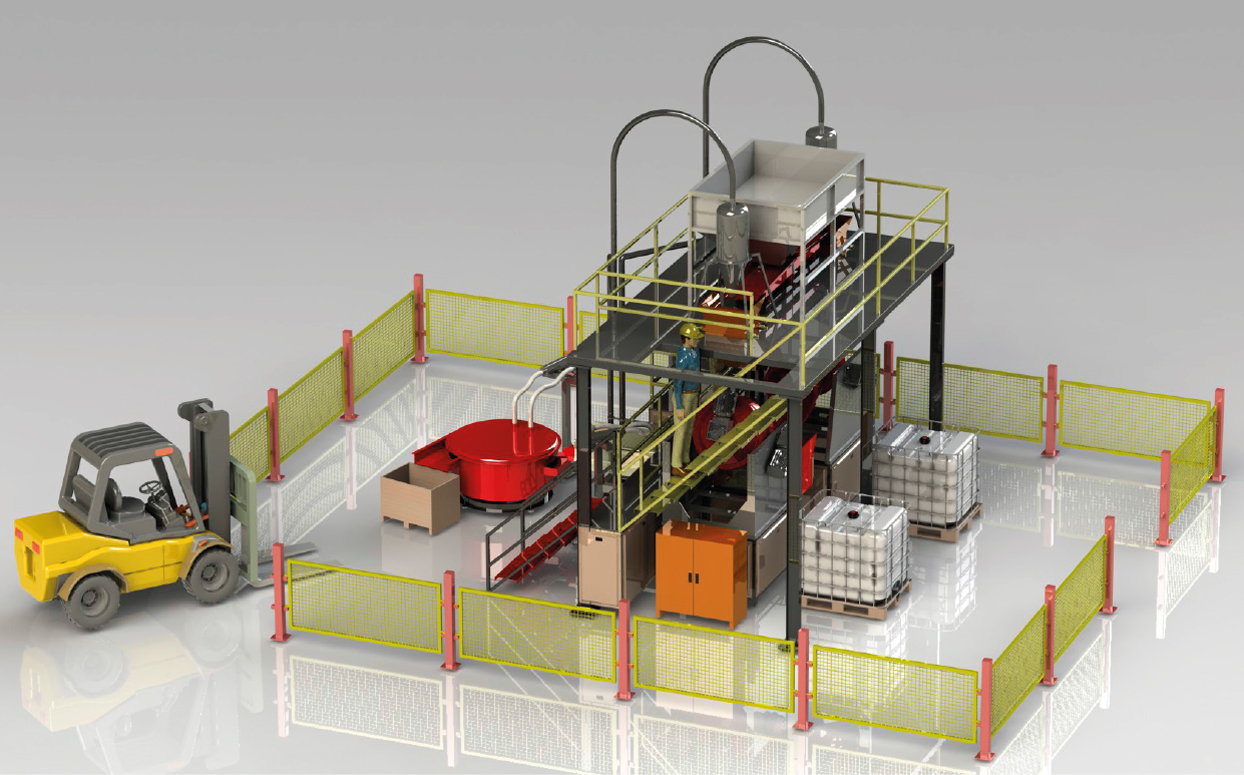
A technical selection guide for choosing a wastewater treatment system for surface finishing machines, covering key criteria, machine types, and water reuse logic.
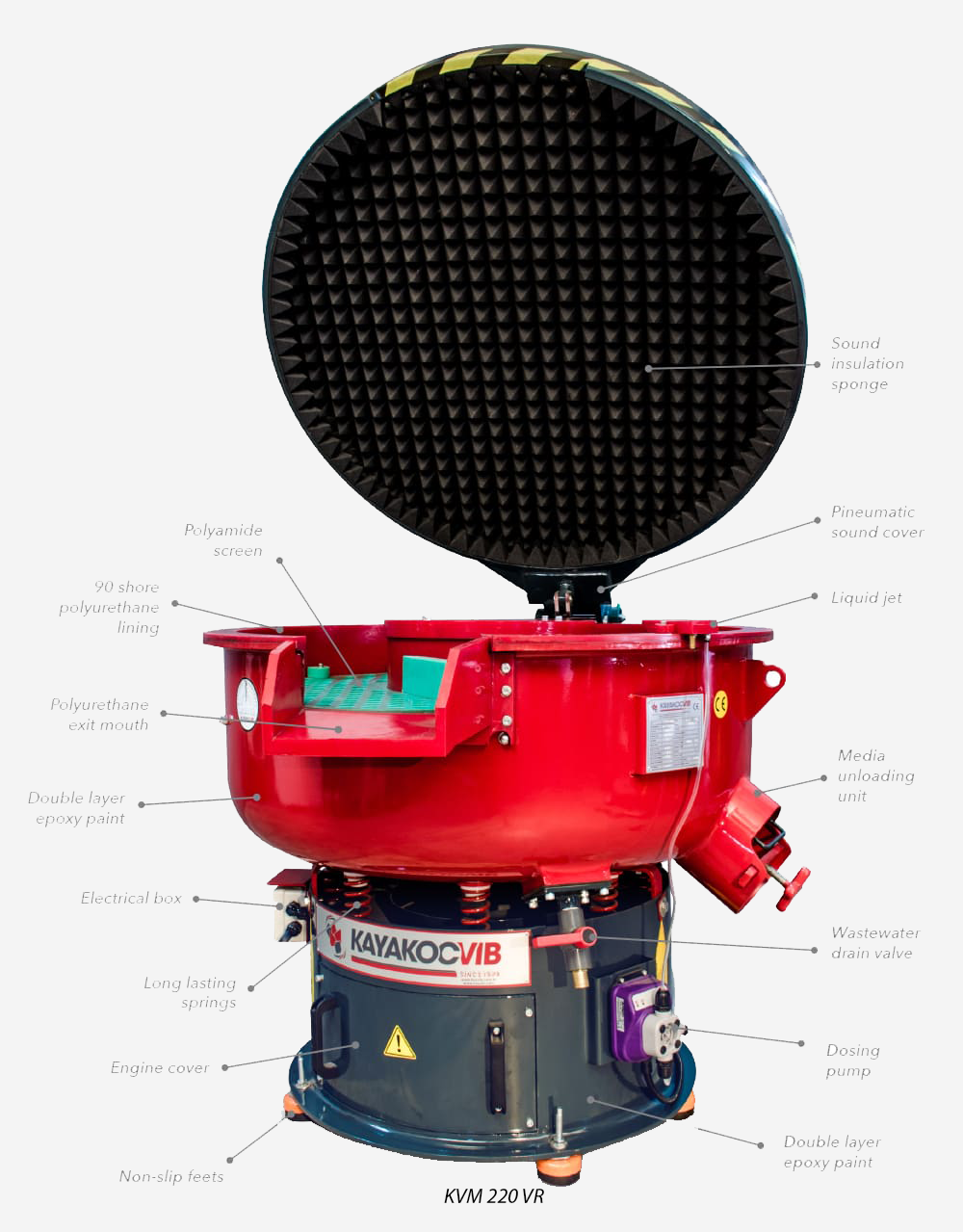
A technical walkthrough of how vibratory finishing machines work, covering process sequence, media and compound selection, machine parameters, and surface quality control.
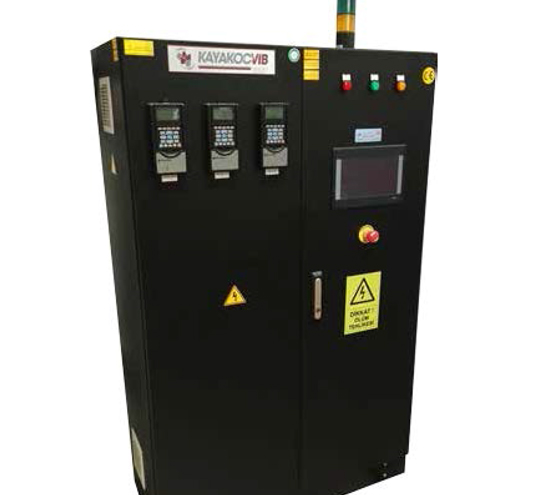
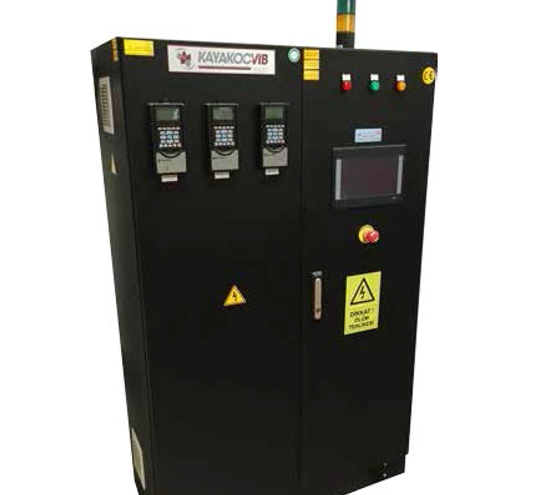
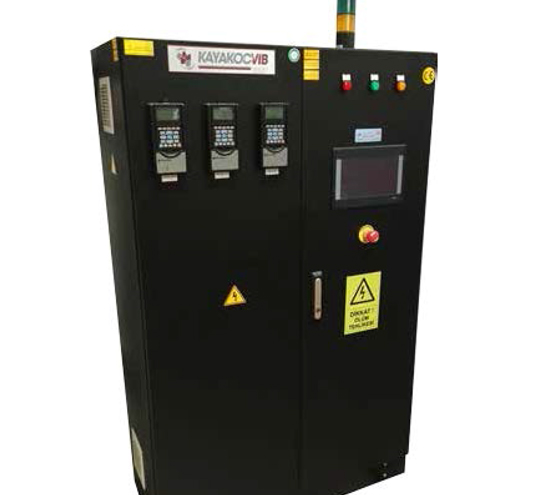
A PLC surface finishing system controls finishing cycles, media flow, compound dosing, and part handling logic. This article covers common control failures, root causes, and optimization strategies.
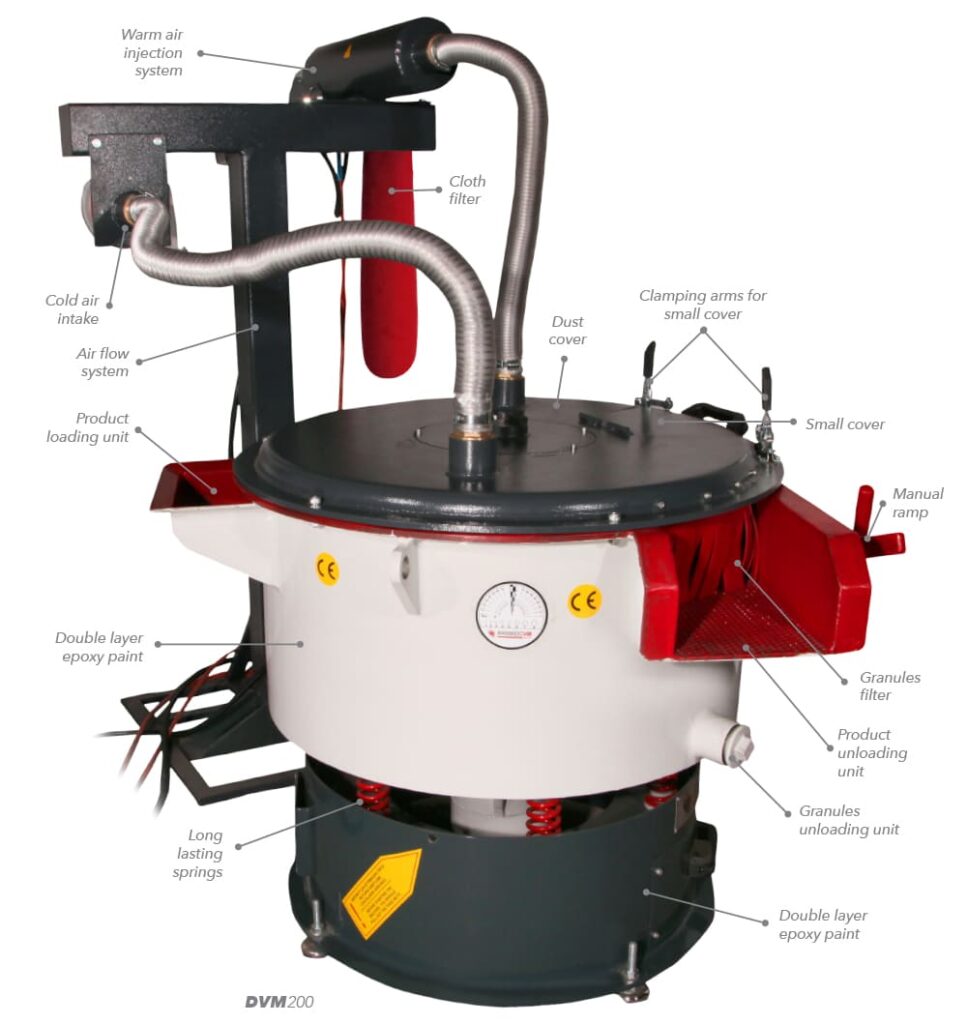
Vibratory drying is a post-finishing drying method used to remove moisture from wet-finished parts. This guide covers machine selection, process variables, and application suitability for industrial use.
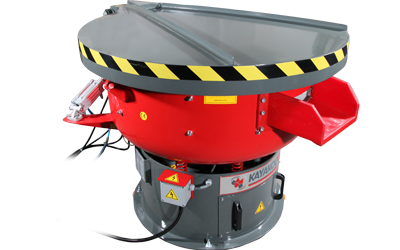
Surface finishing for CNC machined parts covers deburring, edge rounding, and surface refinement using vibratory and centrifugal disc finishing machines. Process outcomes depend on part material, geometry, burr condition, media selection, and machine type.
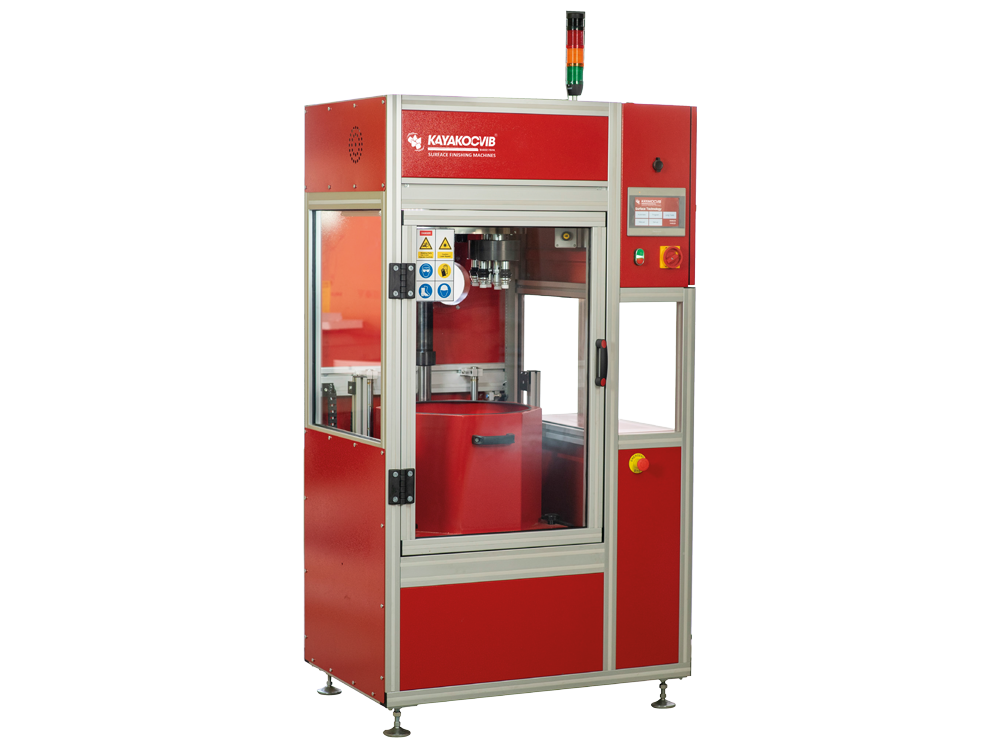
Deburring medical precision parts requires controlled edge rounding without altering part geometry. This article covers machine selection, media logic, process parameters, and quality validation for titanium and medical-grade stainless steel components.
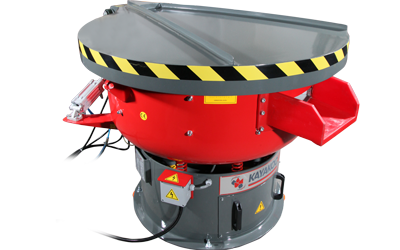
A technical guide helping manufacturers identify the right moment to invest in a finishing machine, covering selection criteria, machine types, and ROI logic.
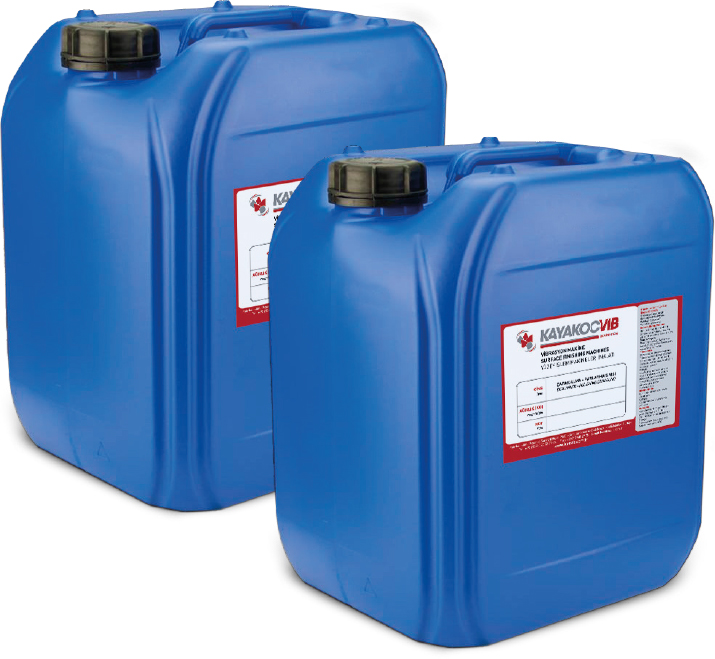
Degreasing before deburring removes surface oils and contaminants that interfere with media action and compound performance, ensuring consistent and repeatable finishing results.
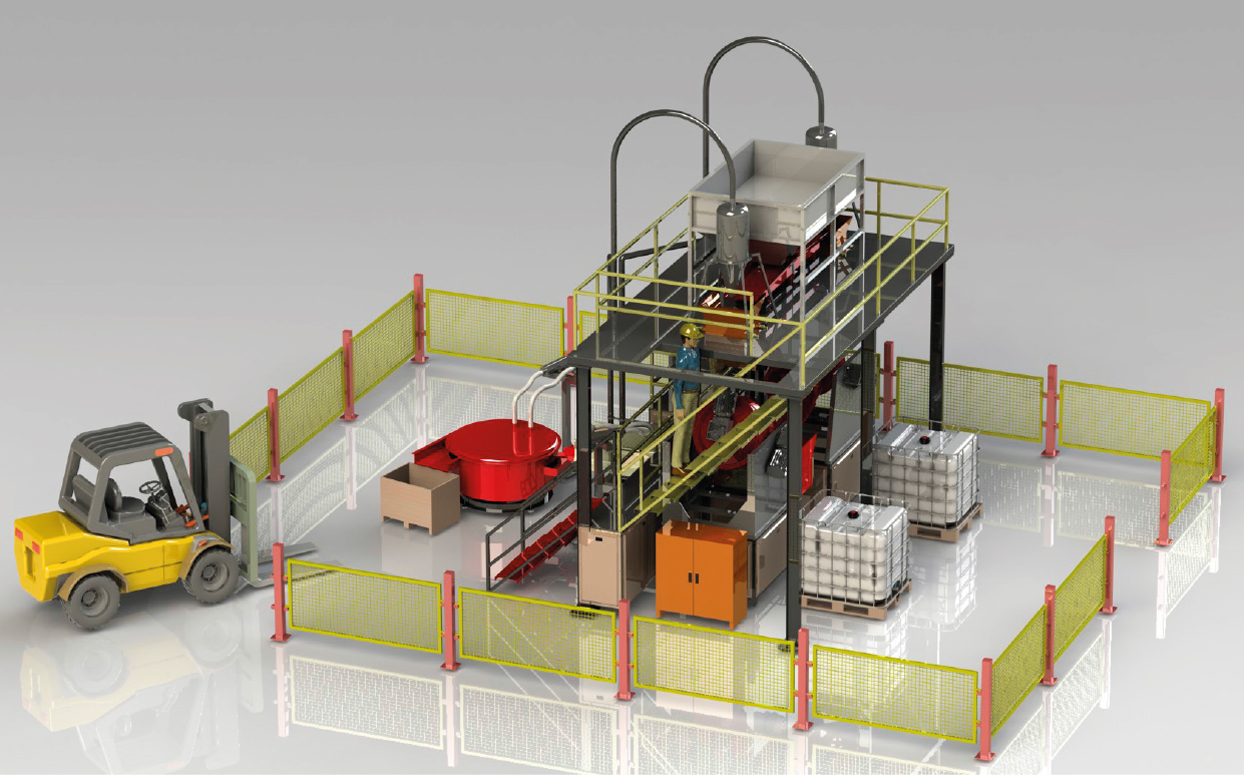
A technical reference for engineers and production managers on how to size a surface finishing line based on production volume, part geometry, and process requirements.
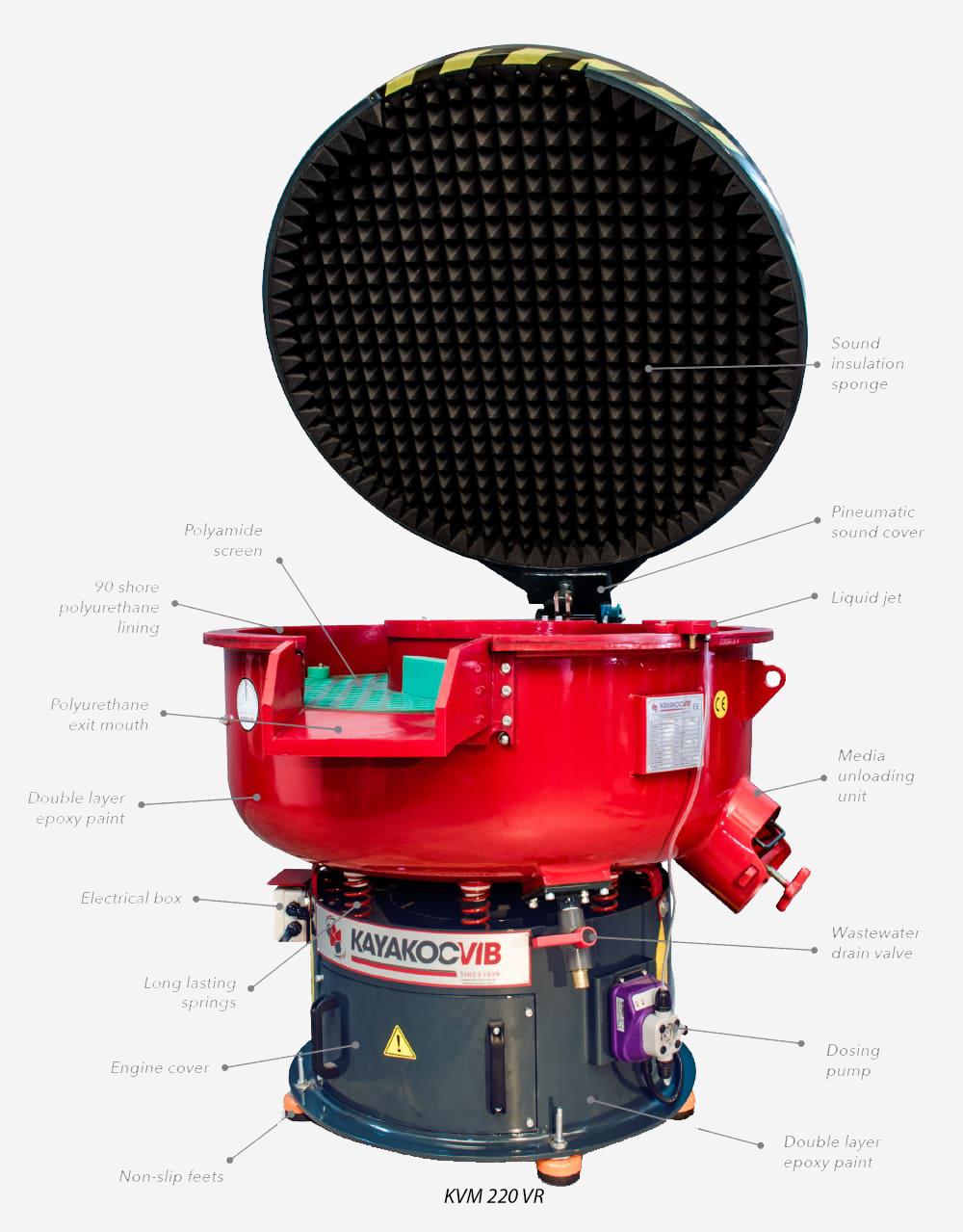
Inconsistent deburring results are typically caused by multiple interacting variables including media condition, compound dosing, machine load, and part geometry. This article identifies root causes and corrective actions.
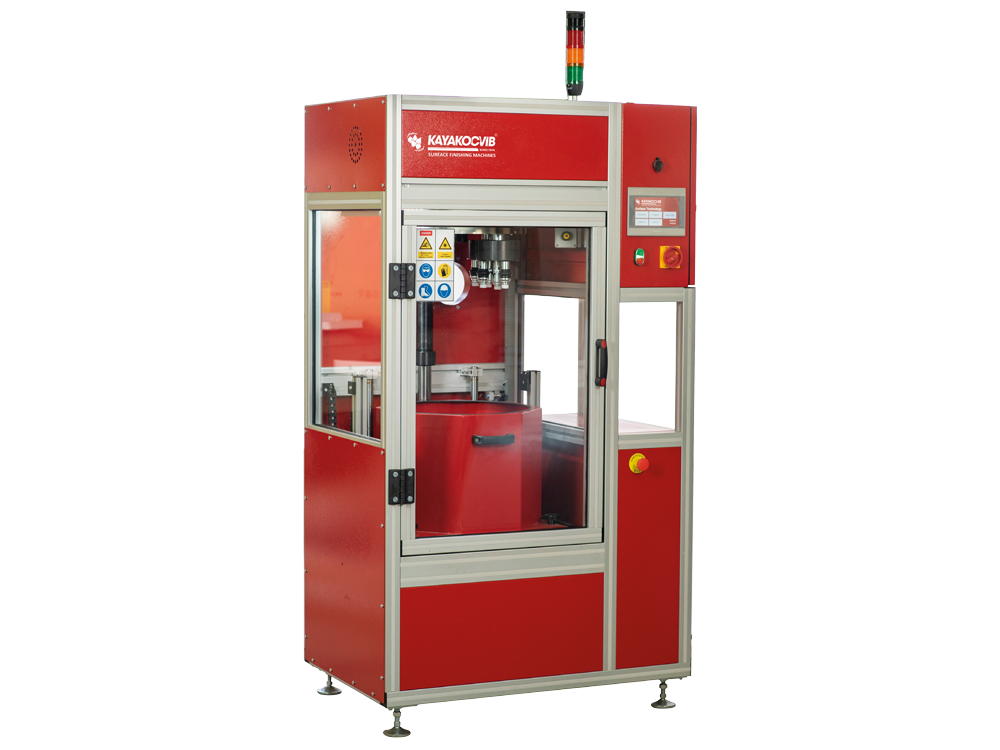
Drag finishing is a controlled high-precision surface finishing process used for cutting tools, medical implants, molds, and aerospace components requiring tight surface quality and edge geometry.
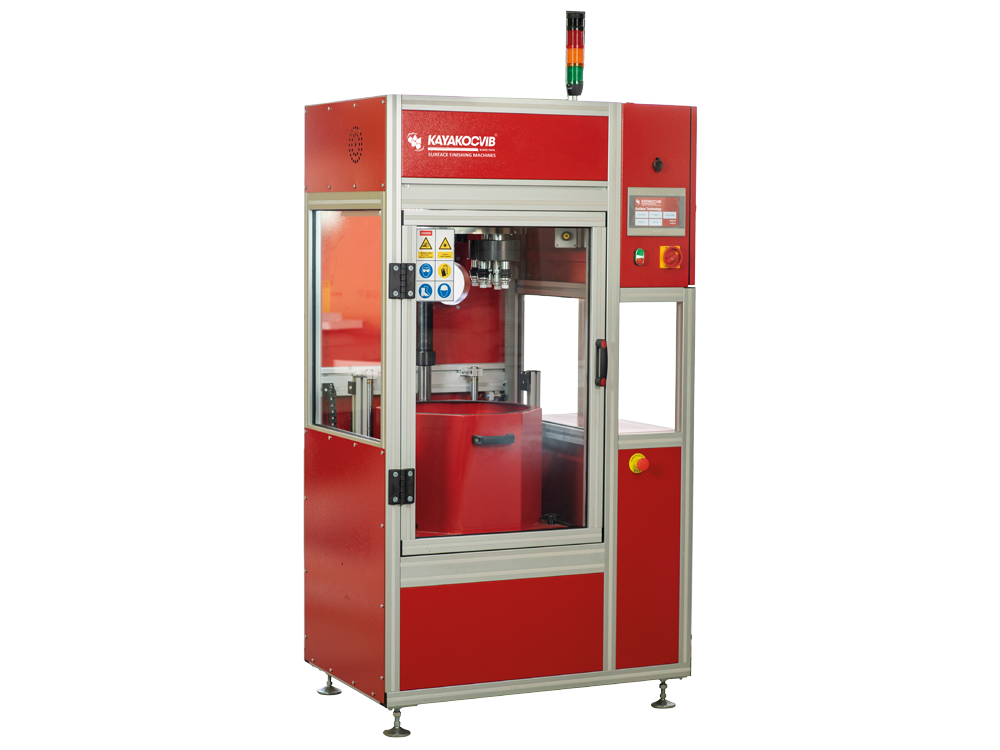
A technical comparison of drag finishing and vibratory finishing covering machine principles, process variables, media selection, and industrial use cases for precision and high-volume applications.
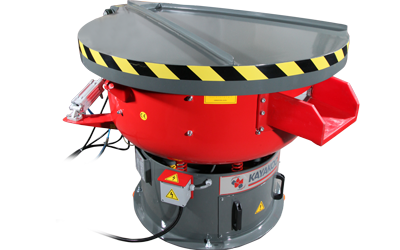
Deburring laser cut parts requires selecting the right finishing process based on material, burr type, edge quality target, and production volume. This article covers machine selection, media choice, and process integration for steel, stainless steel, and aluminum laser cut components.
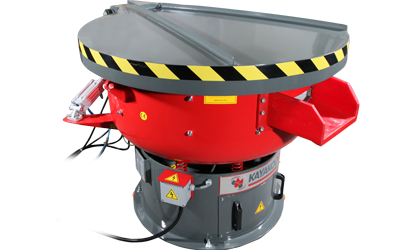
A technical guide to vibratory finishing sheet metal parts, covering process route, machine and media selection, edge rounding, and production integration for laser cut and stamped components.
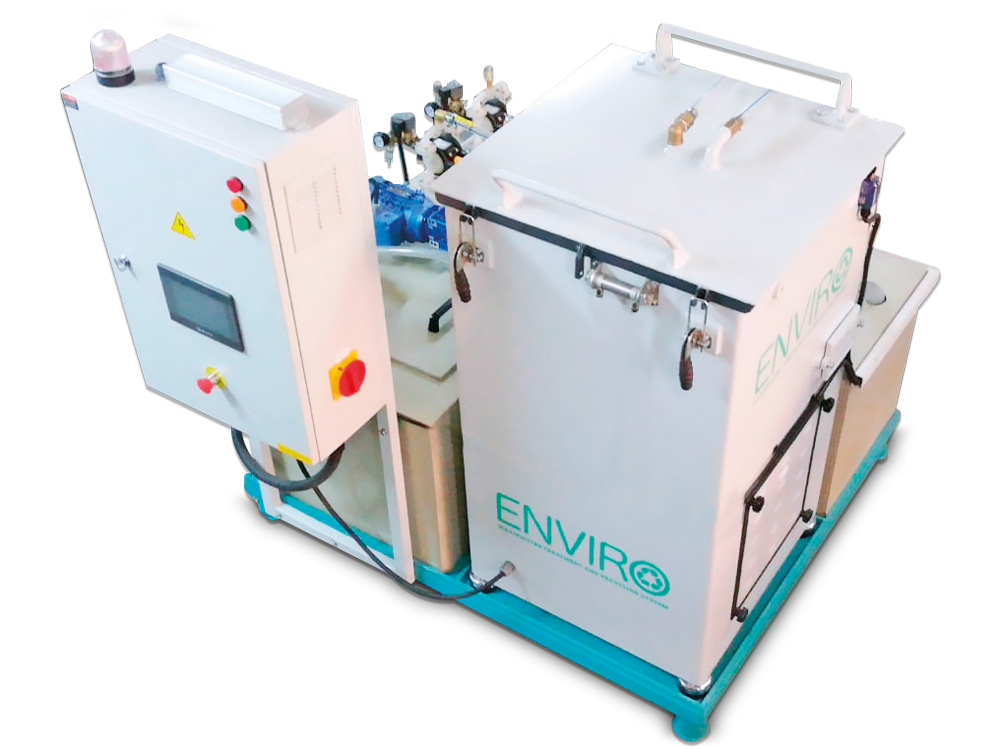
Surface finishing wastewater treatment covers the removal of suspended solids, oils, and chemical residues from process water generated during deburring and polishing operations, enabling safe discharge or closed-loop reuse.
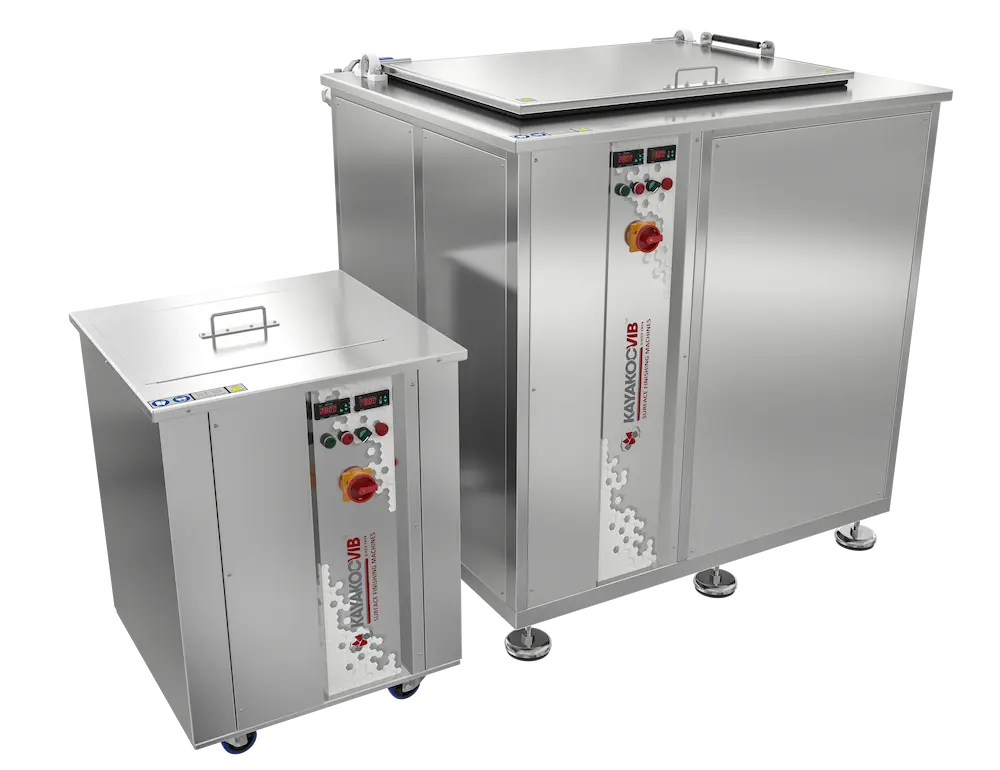
Ultrasonic cleaning metal parts uses high-frequency cavitation to remove oils, chips, and surface contaminants from complex geometries. This article explains the full process sequence, parameters, and industrial application logic.
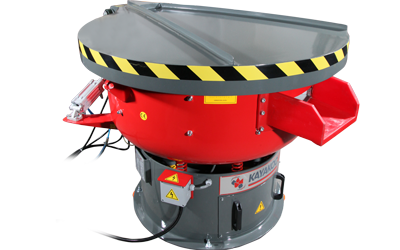
Deburring after thread rolling removes residual burrs and surface irregularities from fasteners using vibratory mass finishing. This article covers process logic, media selection, machine setup, and quality factors.
The vibratory finishing loading ratio directly controls media motion, part-to-part contact, and surface quality. Correct loading is essential for consistent deburring and polishing results.
Surface roughness Ra changes predictably during finishing based on media type, machine energy, cycle time, and compound selection. This reference explains how Ra evolves across common industrial finishing processes.
Automotive surface finishing covers deburring, edge rounding, and polishing of powertrain, chassis, and body components using vibratory mass finishing processes tailored to part material, geometry, and quality requirements.
A step-by-step technical walkthrough of the coin washing and polishing process, covering machine operation, media and compound selection, process parameters, and quality control points for industrial coin production.
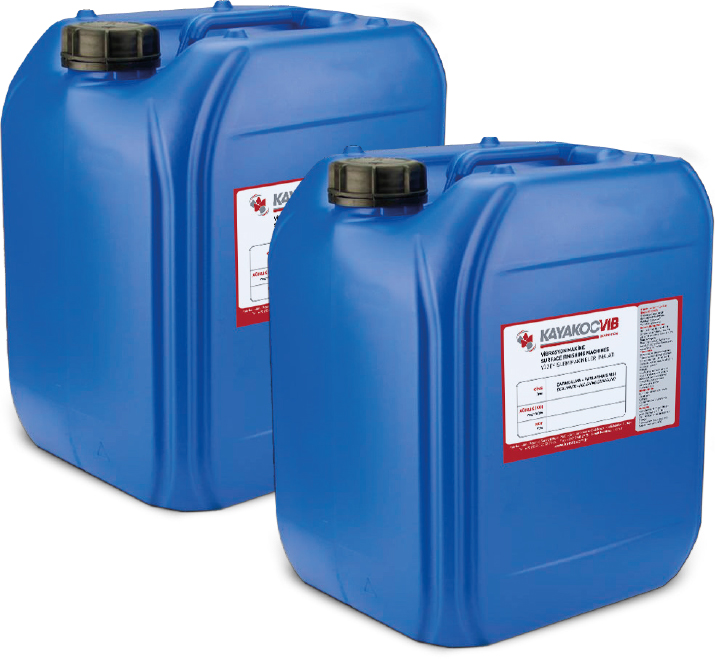
A vibratory finishing compound is a liquid chemical additive used in wet mass finishing to control cutting action, surface protection, and cleanliness. Selection depends on base material, media type, and target surface condition.
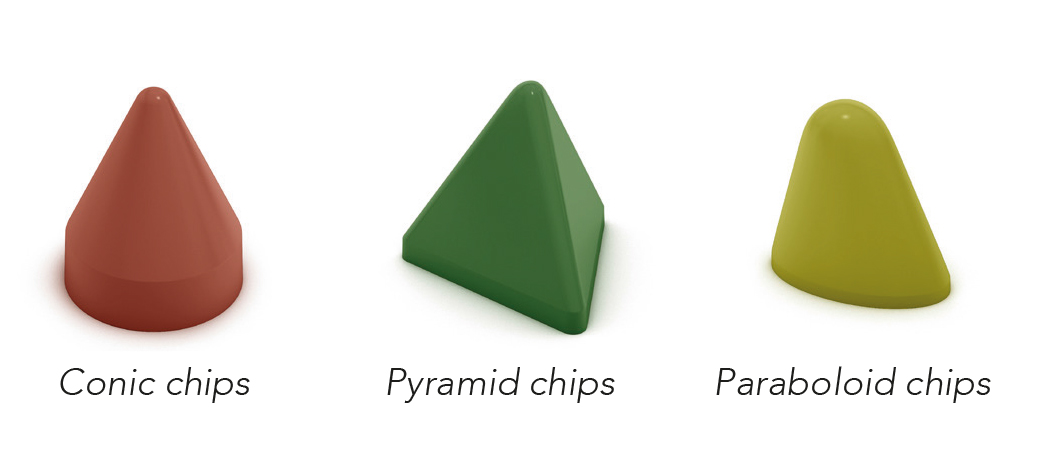
Media stuck in holes is a persistent mass finishing problem caused by mismatched media geometry, part features, or machine motion. This article explains root causes and prevention strategies.

Selecting the correct finishing media size is a core engineering decision that directly affects deburring efficiency, surface quality, and cycle time for both small and large parts.
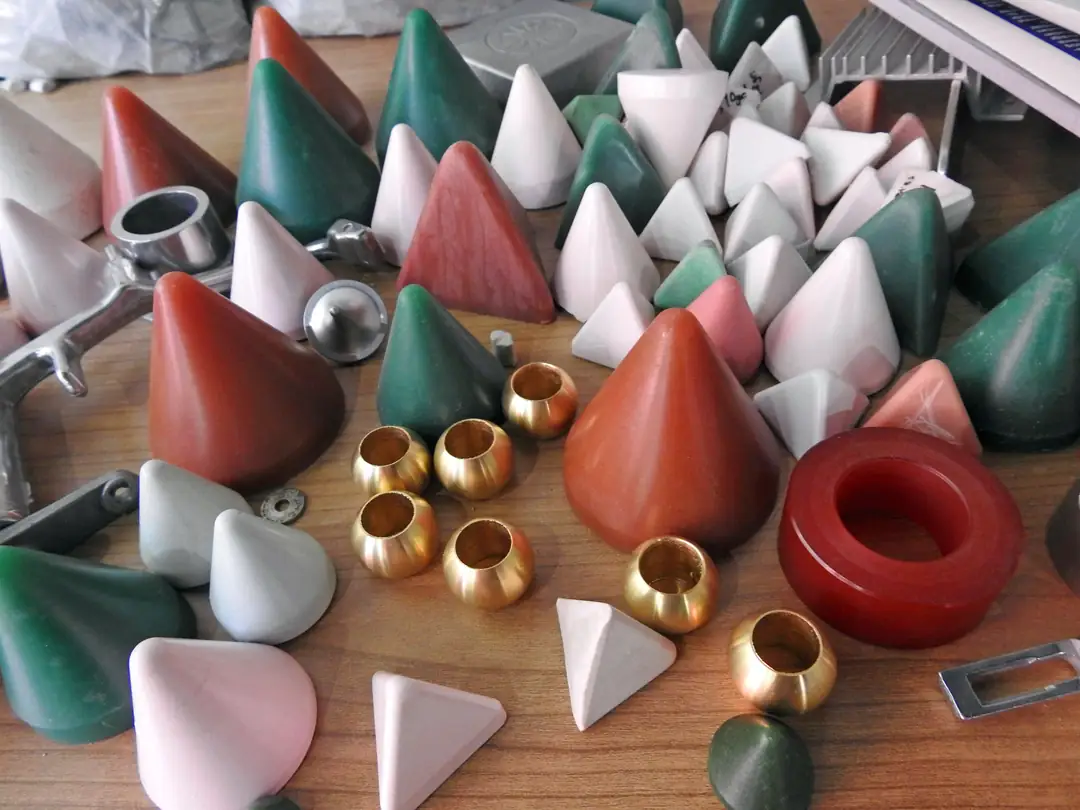
Finishing media wear rate directly affects operating cost in mass finishing. This article explains root causes, corrective actions, and parameter tuning for cost-efficient production.
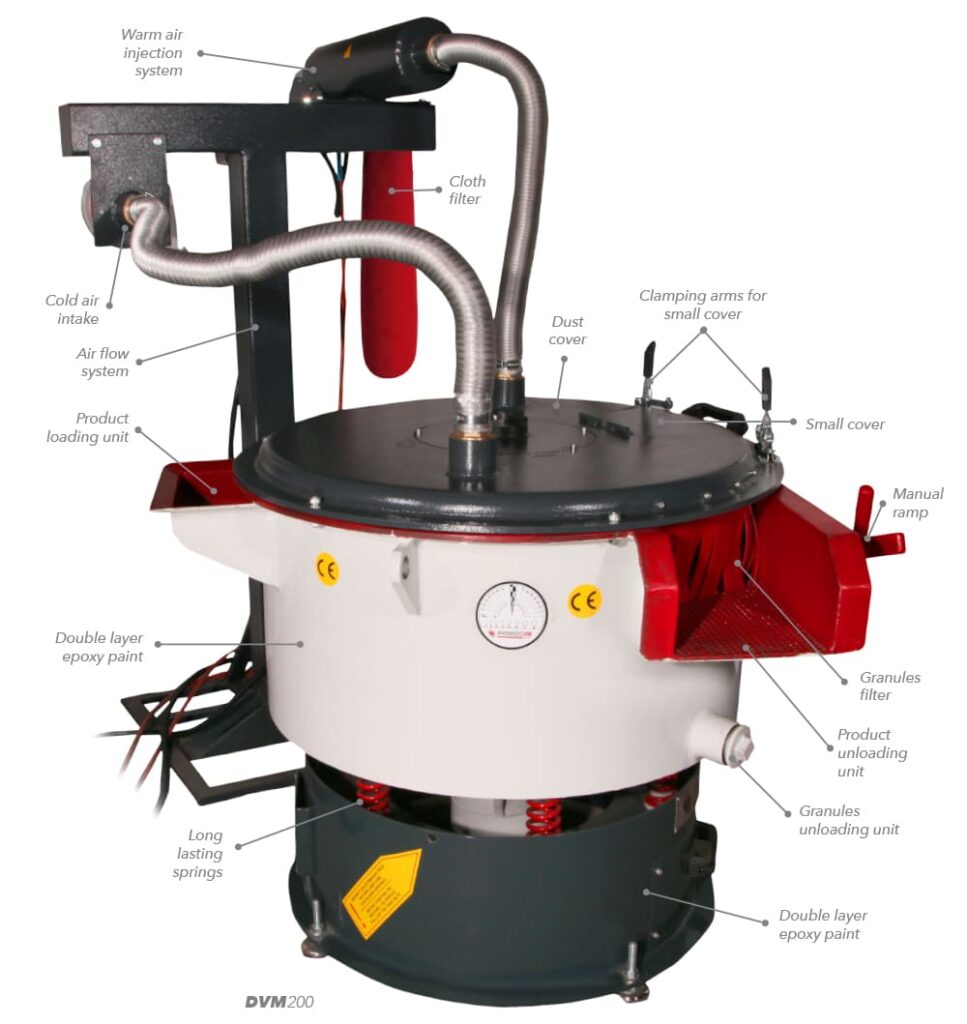
A vibratory dryer machine removes residual moisture from wet-finished parts after deburring or polishing. This article explains how the drying process works, when it is required, and how to integrate it into a finishing line.

A technical selection guide explaining when to use centrifugal finishing over vibratory finishing, based on part geometry, surface quality requirements, cycle time, and production volume.
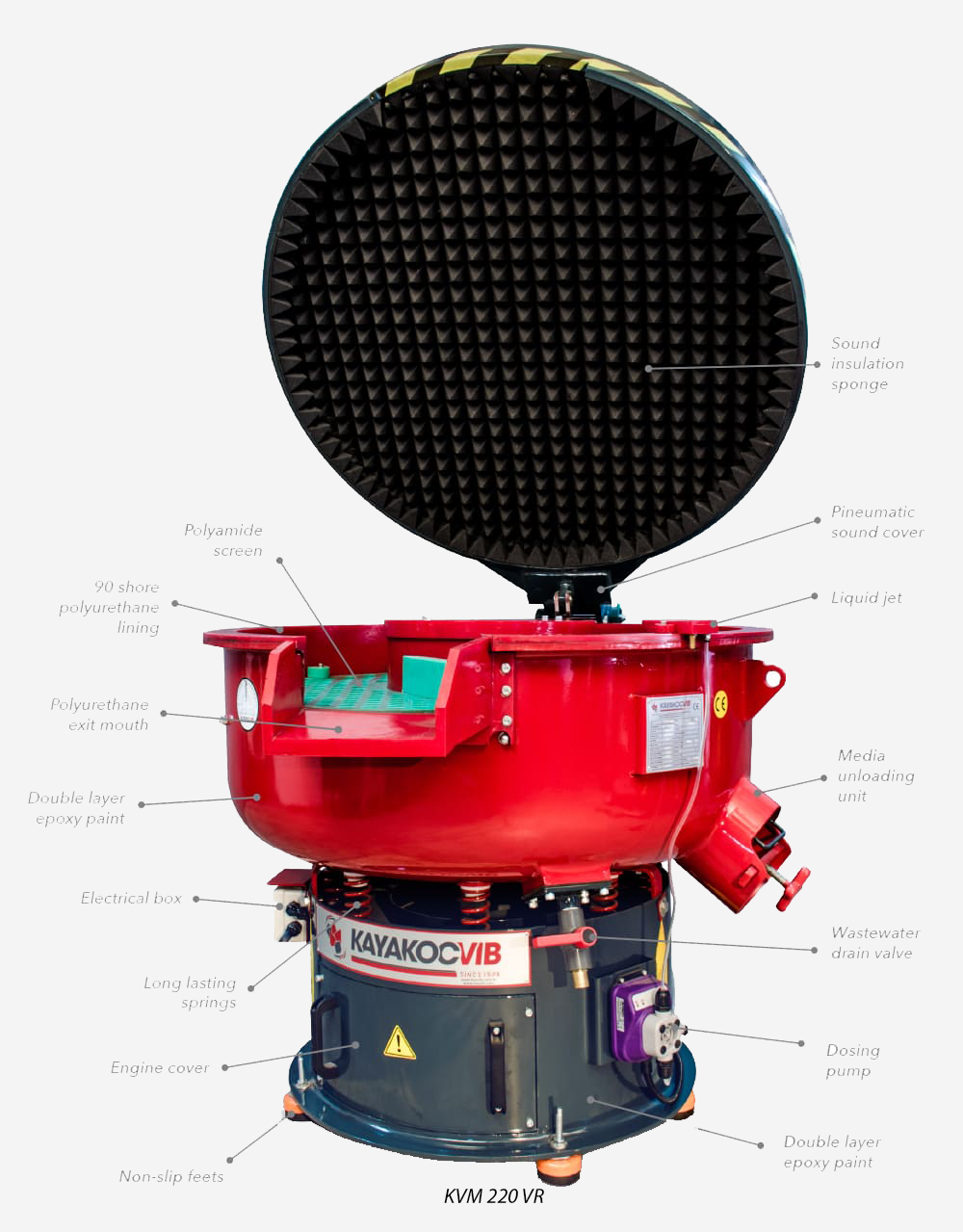
A technical reference glossary of vibratory finishing terms covering process variables, media, compounds, machine types, and surface quality factors for engineers and production specialists.

Selecting the correct finishing media for die cast components directly affects deburring efficiency, surface quality, and cycle time. This guide covers media types, material compatibility, and process variables for die casting applications.
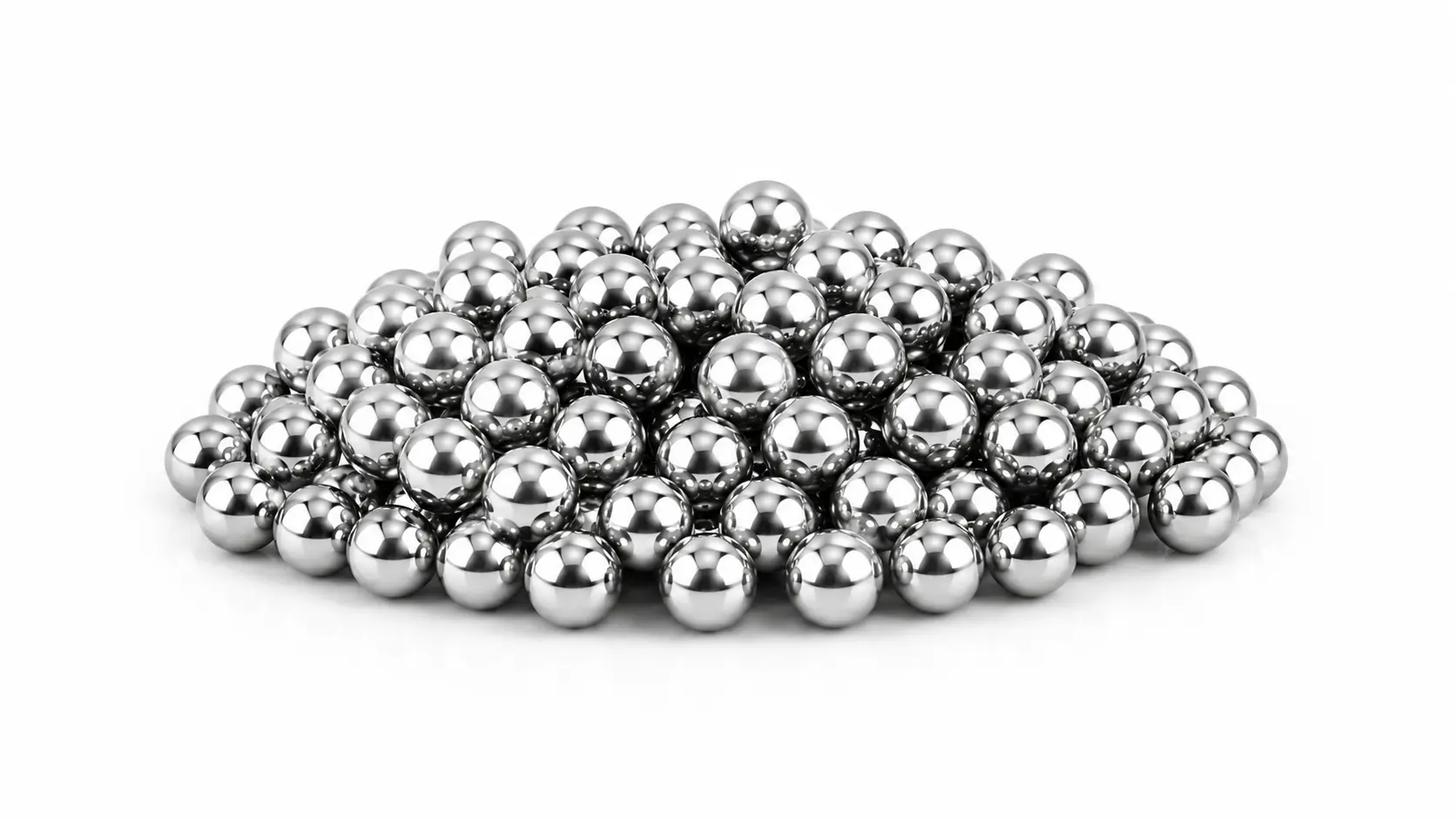
Steel burnishing media is used in mass finishing to produce bright, compressed, and smooth surfaces on metal parts without significant material removal. This guide covers media types, process parameters, machine selection, and industrial applications.
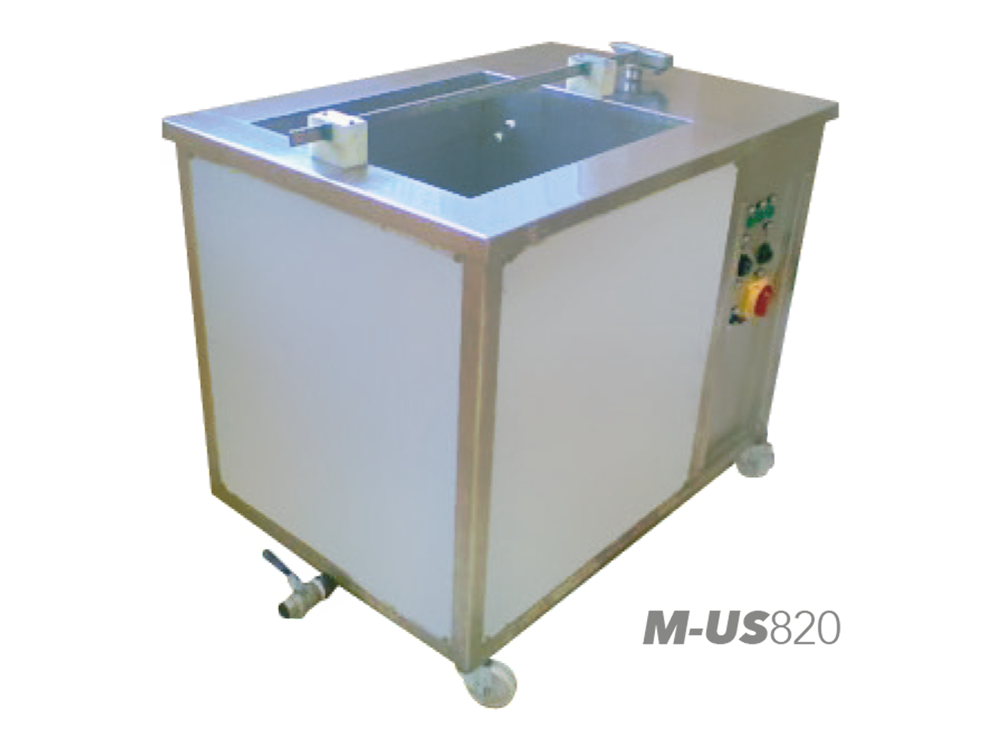
Washing die cast parts after deburring removes residual media, compound, and contamination. This article explains the process sequence, machine selection, and key control parameters.

Selecting the right vibratory finishing machine requires evaluating part geometry, material, burr condition, surface quality targets, and production volume before committing to a machine type or size.
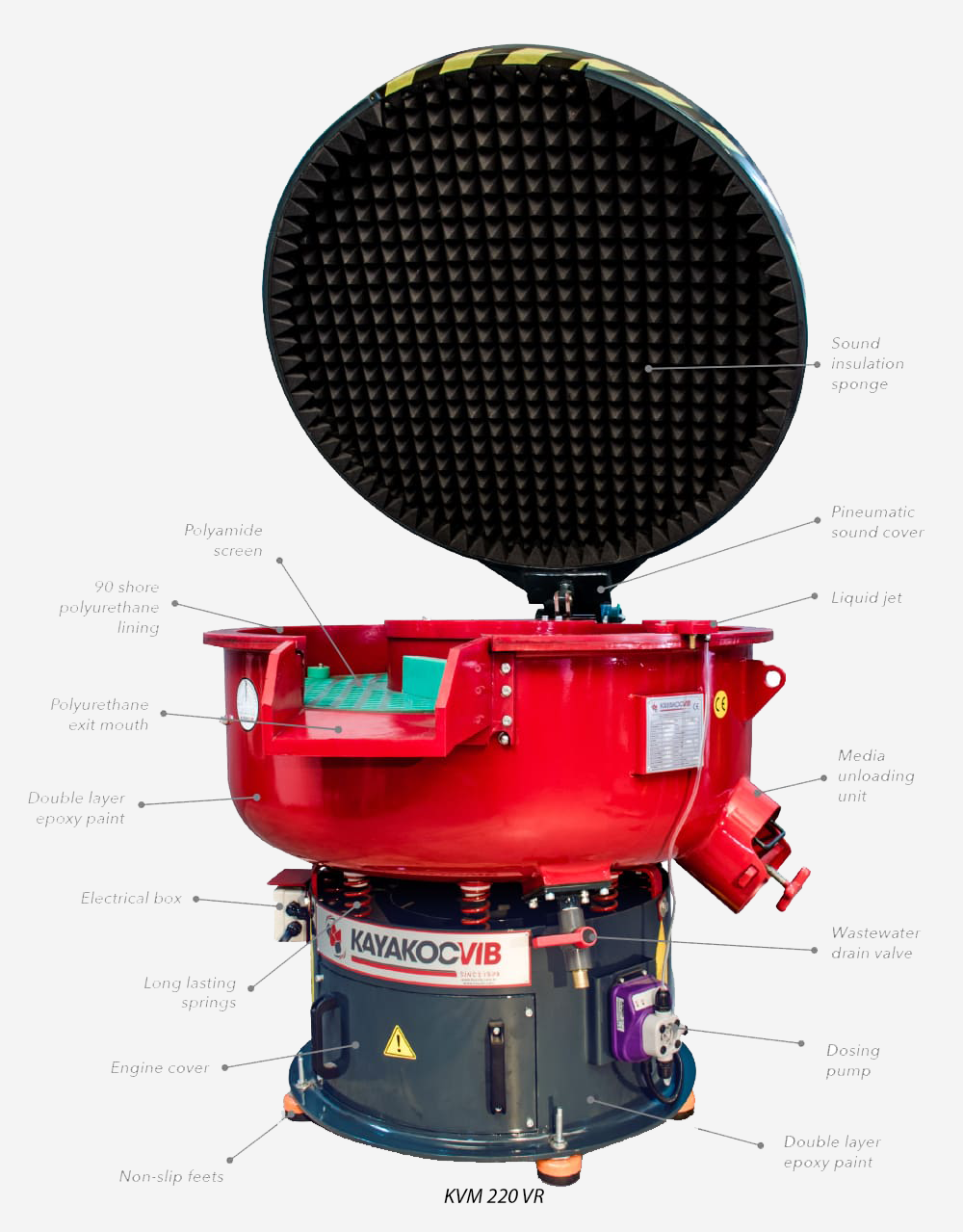
Edge rounding laser cut parts requires careful machine and media selection based on material, part geometry, and required edge quality. This guide covers selection criteria, process variables, and practical finishing decisions.

The most important point you will consider when deciding on consumables is the raw material of the product. Different chemicals can damage unsuitable metals and you don’t want to this. As we KAYAKOCVIB® happy to help you with the matter of choosing the consumables. How...

Vibratory deburring is a widely used industrial finishing process for removing burrs, sharp edges, and other imperfections from metal and plastic components. This efficient and cost-effective technique relies on the combined action of vibration, tumbling, and abrasive media to achieve a smooth, consistent finish. How...

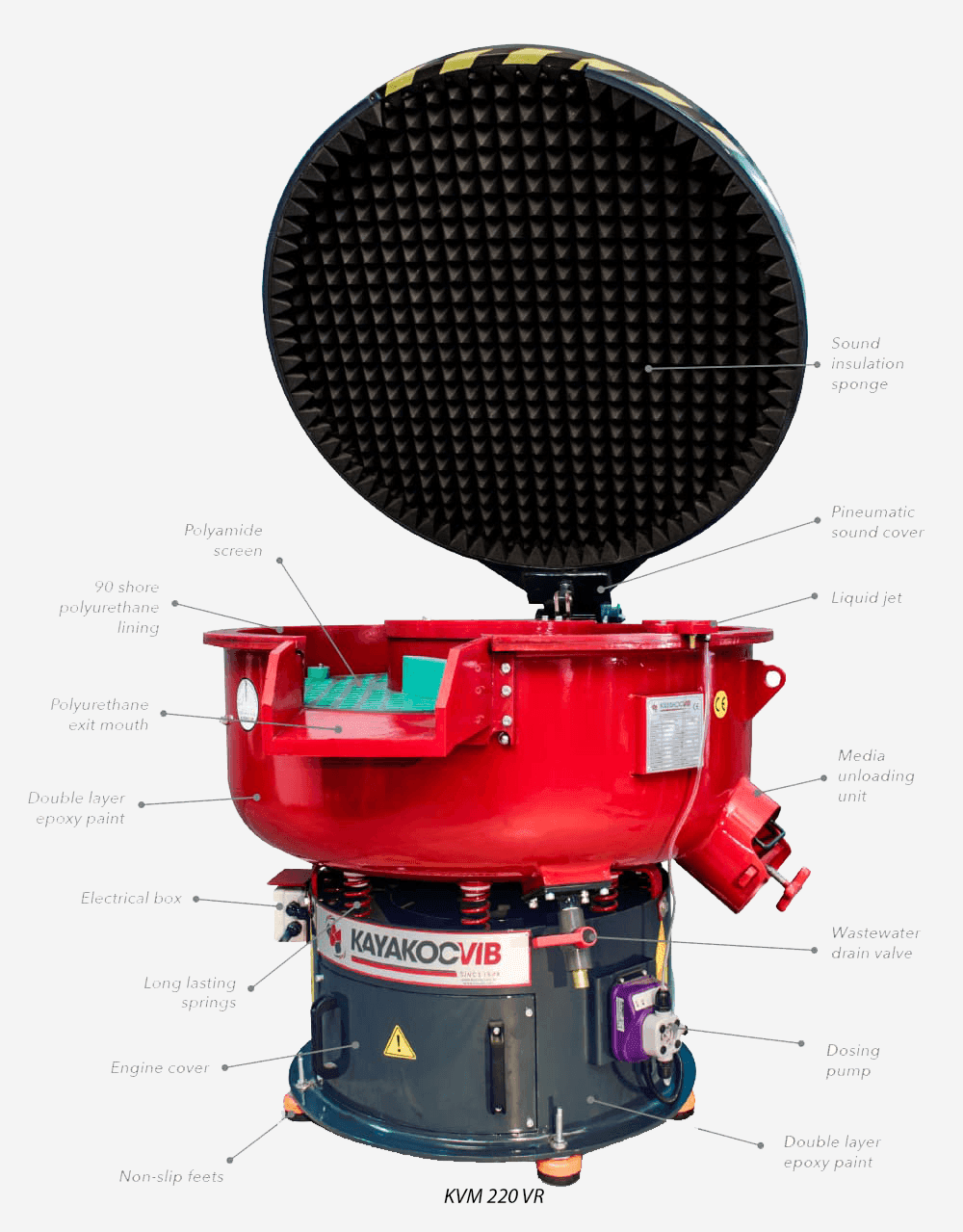
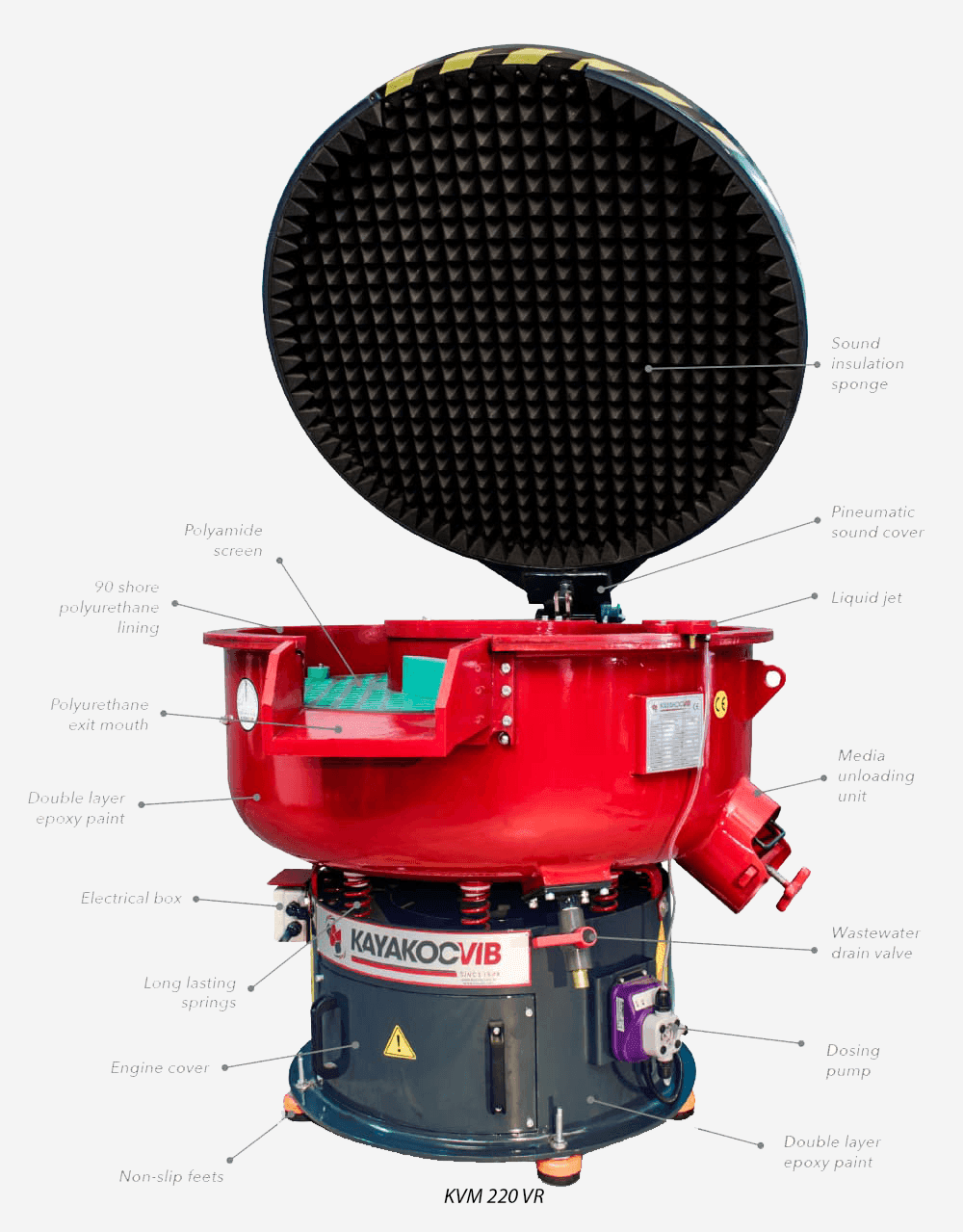
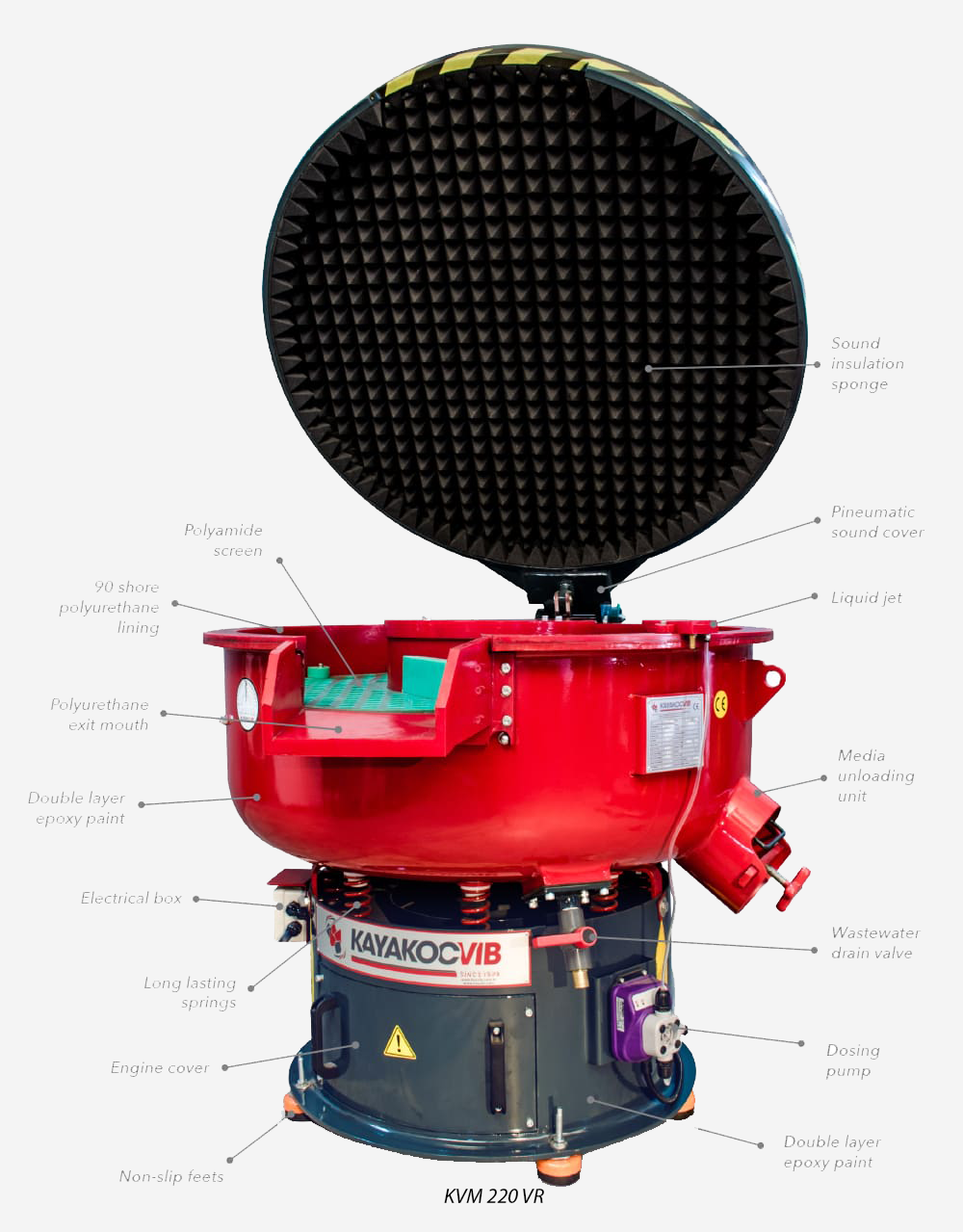
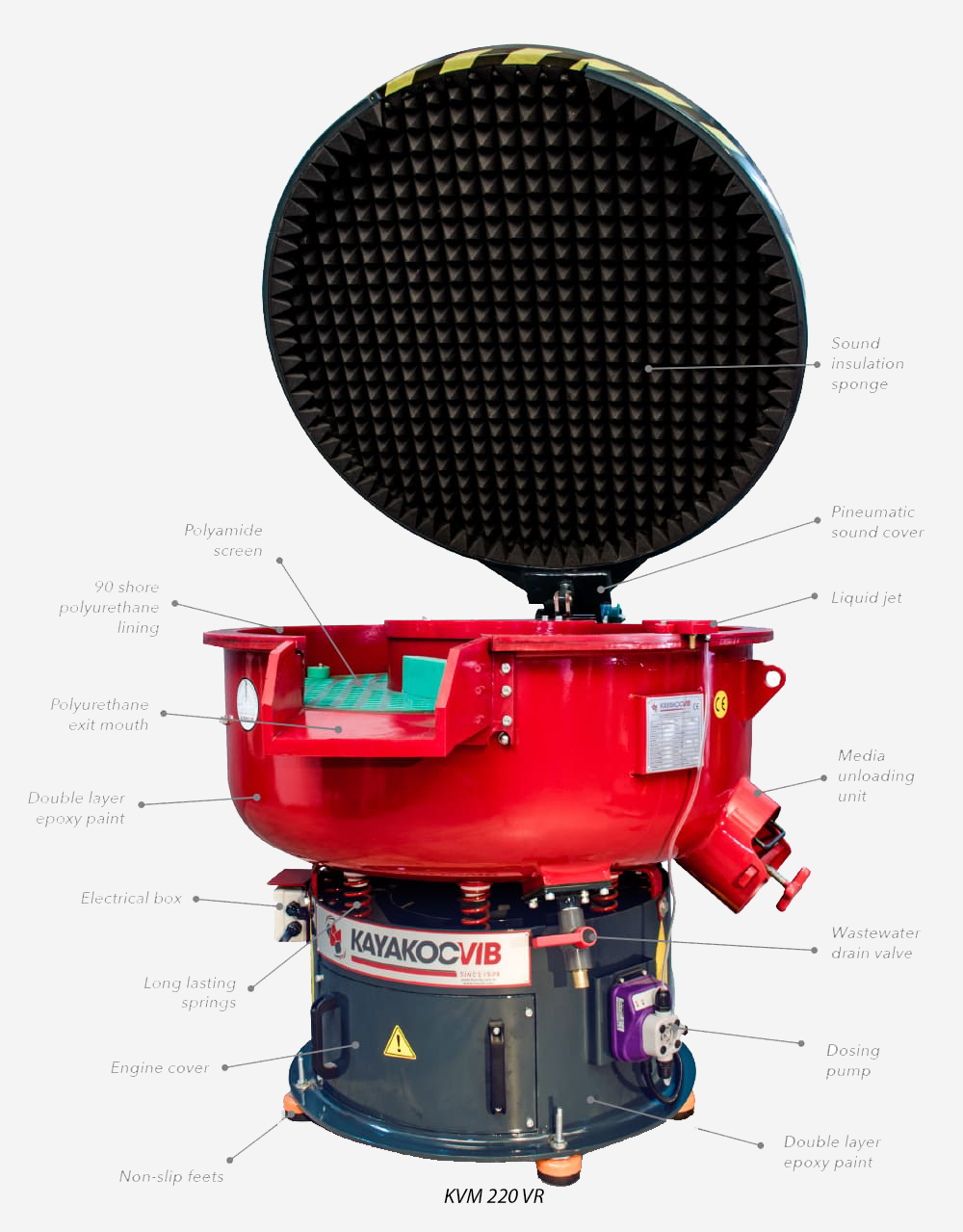
VM – TVM series vibration machines KSM series centrifugal surface finishing machines DVM – D-TVM series vibration dryers KVM – TVM series; We have different types of machines for different needs. While using round type (KVM series) vibration machines for surface treatment, horizontal type (TVM series) vibration machines...

If you are a manufacturer, you know how important the surface quality of your products is for sales. The surface treatment is one of the indispensable parts of the production stages, either for the subsequent stages, to eliminate unwanted faults, and defects or to obtain...
Revolutionize your metal finishing with our vibratory dryers’ drying granules, meticulously crafted from maize plants. These specialized granules are tailored for drying wet metal surfaces, enhancing corrosion resistance for components emerging from the vibration process. With various sizes available, you can select granule particle sizes...

Abrasive stones have been used for centuries to polish a wide variety of materials, from metals and gemstones to wood and plastics. Polishing with abrasive stones is a versatile and effective method for achieving a smooth, high-gloss finish. What is Abrasive Polishing? Abrasive polishing is...

Deburring is the process of removing sharp edges, or burrs, from a material, and leaves the material with smooth edges. Deburring is commonly performed after machining operations, such as milling, turning, and drilling, which typically leave sharp edges on the material. Deburring can be performed...
What is your primary criterion that affects your choice in a machinery investment?
What are the Examples of Surface Finishing Processes are? Surface finishing is the process of preparing a material’s surface to improve its appearance, function, or performance. It can involve a variety of techniques, from simple polishing to complex chemical treatments. Surface finishing tools The tools...

How to Treat Wastewater Come From Vibratory Bowls or Centrifugal Disc Finishing Machines? We have solved the wastewater treatment issues in three ways. How to Treat Wastewater Come From Vibratory Bowls or Centrifugal Disc Finishing Machines? Every solution has a different price but the most...

If you have decided to invest in a machine in your business, you should first review your daily production volume. Daily production amount is the biggest factor in machine selection. The daily production amount allows us to determine the capacity of the machine. For example;...

CERAMIC CHIPS Ceramic abrasive chips are used in vibratory machines and drums for deburring-grinding and to remove surface roughness of sharp corners in iron and some non-ferrous metals. Our ceramic stone formulation can be prepared in various compositions depending on the desired surface quality. Our...
The selection of the most suitable abrasive stone for the product is made according to two different criteria. 1- The raw material of the product or the type of metal used: Stones with different abrasiveness are produced for metals with different hardness. For example, plastic...

A good surface is obtained in the following five steps, respectively. What is a Burr? Burrs are residual parts of height or protruding edge or material that remain on its surface, edges, or product-specific parts after production, which are produced by machines such as presses...