



20 Jun Vibratory Finishing Compound
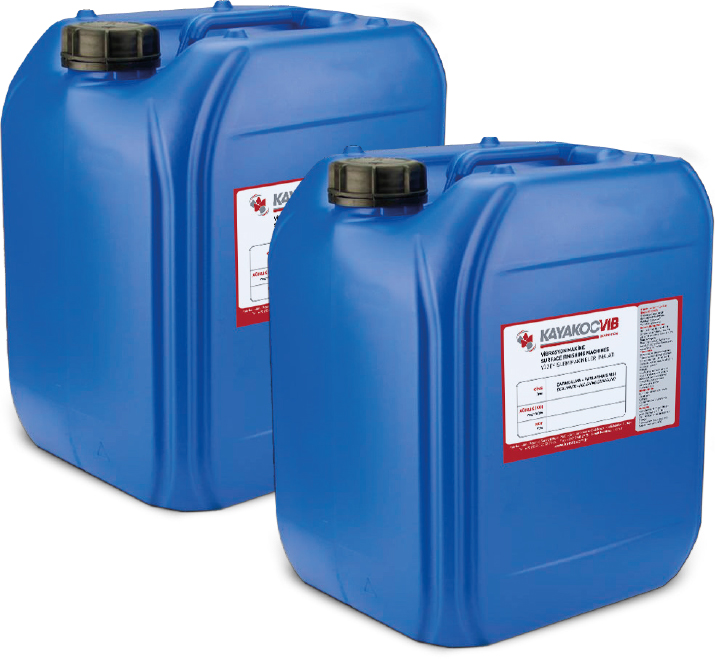
A vibratory finishing compound is a liquid or dissolved chemical additive introduced into a wet mass finishing process to control how media interacts with part surfaces. Without the correct compound, even properly selected media will underperform, producing inconsistent surface results, part staining, or inadequate burr removal. Understanding what compounds do, how they interact with media and water, and how to select them for specific materials is a foundational requirement for anyone responsible for process engineering in vibratory or mass finishing operations.
In This Article
What a Compound Does in a Finishing Process
In wet vibratory finishing, the compound serves several simultaneous functions. It acts as a lubricant between media and parts, preventing excessive scratching or part-on-part contact marks. It provides a controlled level of cleaning action, removing oils, coolant residues, chips, and surface contamination generated during machining or stamping. It also influences the cutting aggressiveness of the process by conditioning the media surface and managing the slurry chemistry in the work bowl.
A compound is not simply soap or detergent. Industrial finishing compounds are formulated to maintain a specific pH range, produce controlled foam levels, carry away swarf and debris, and protect the part surface during processing. Some formulations also include corrosion inhibitors to prevent flash rusting on steel parts immediately after finishing, which is especially important when parts move through a wet process before drying.
Compound Types and Their Technical Role
Finishing compounds for vibratory applications fall into several functional categories. The correct type depends on the base material being processed, the target surface condition, and whether the process goal is deburring, surface refinement, or cleaning and degreasing.
Deburring and polishing liquids are the most common compound type used in general mass finishing. They are formulated to support cutting action while simultaneously cleaning the part surface. For steel and ferrous parts processed with ceramic media, compounds in this category maintain the abrasive efficiency of the media and carry away metallic fines. A typical example is a compound such as KAYAKOCVIB 943, which is suited for ferrous metals processed with ceramic media in standard deburring and surface refinement cycles.
For aluminum, zamak, and other non-ferrous soft metals processed with plastic media, a gentler deburring and polishing liquid is more appropriate. These formulations are designed to avoid aggressive chemical attack on softer surfaces while still providing sufficient cleaning and lubrication. KAYAKOCVIB 085 is a representative compound in this category, supporting controlled surface finishing on aluminum and zinc alloy parts without causing surface etching or discoloration.
Degreasing compounds serve a different primary function. They are designed to remove machining oils, cutting fluids, stamping lubricants, and surface contamination from parts before or during finishing. KAYAKOCVIB 028-S is a neutral-to-alkaline degreasing liquid compatible with steel, stainless steel, aluminum, and mixed-metal applications. For copper, brass, and yellow metals, or when heavy oxidation or scale removal is required, a more acidic degreasing compound such as KAYAKOCVIB 028 may be appropriate. The acid character of this type helps break down oxide layers and surface scale that alkaline formulations cannot effectively address.
Material-Compound Compatibility
Matching the compound to the base material is as important as matching the media type. Using a compound formulated for ferrous metals on aluminum can cause surface etching, discoloration, or unwanted chemical reactions with the metal surface. Using a gentle aluminum-safe compound on hardened steel parts with heavy burrs will result in insufficient deburring performance and excessive cycle times.
| Base Material | Recommended Media Type | Typical Compound | Function |
|---|---|---|---|
| Steel, Stainless Steel | Ceramic | 943 Deburring and Polishing Liquid | Cutting support, cleaning, corrosion inhibition |
| Aluminum, Zamak | Plastic | 085 Deburring and Polishing Liquid | Gentle cutting, cleaning, surface protection |
| Steel, Aluminum (general) | Ceramic or Plastic | 028-S Degreasing Liquid | Oil and coolant removal, surface cleaning |
| Copper, Brass, Yellow Metals | Plastic or Ceramic | 028 Degreasing Liquid | Degreasing with oxide and scale removal |
It is important to note that aluminum and steel parts should not be processed in the same batch. Mixed-metal batches create galvanic interaction risks and make compound selection impossible to optimize for both materials simultaneously. Separate process cycles are required for different base materials.
How Compound Concentration and Dosing Affect Results
Compound concentration in the process water directly affects surface quality, cycle time, and media performance. Under-dosing results in poor cleaning, media glazing, and inconsistent deburring. Over-dosing produces excessive foam, reduced cutting action, and potential residue buildup on parts and machine surfaces.
In most industrial vibratory finishing operations, compound is diluted with water and introduced as a continuous flow or metered dosing during the process cycle. The correct dilution ratio depends on the specific compound formulation, the part load, and the machine size. Suppliers provide starting dilution guidelines, but final dosing must be validated through process testing because part surface area, contamination level, and media condition all influence the effective compound demand in a given batch.
Water quality also matters. Hard water can interact with compound chemistry, reducing cleaning efficiency and causing deposits on parts. In installations with poor water quality, compound formulations may need adjustment, or water conditioning may be required upstream of the finishing process.
Process Parameters Influenced by Compound Selection
The vibratory finishing compound affects several measurable process outcomes beyond surface cleanliness. These include the effective cutting rate of the media, the final surface roughness achieved, the brightness or appearance of the finished surface, and the flash rust resistance of steel parts after wet processing.
In polishing or burnishing stages, specialized bright-finish compounds or burnishing liquids are used without abrasive media, or with very fine non-cutting media, to develop a smooth and reflective surface. In these applications, the compound chemistry carries the primary surface-conditioning function, while the media provides mechanical contact pressure and part movement.
Cycle time is also compound-dependent. A well-matched compound maintains consistent slurry chemistry throughout the cycle, allowing the media to cut or refine uniformly from the first minutes through the end of the batch. A poorly chosen compound causes media surface passivation or premature saturation of the slurry with metallic fines, which reduces cutting efficiency progressively through the cycle and forces extended run times to achieve the required surface condition.
Practical Considerations for Compound Selection
When selecting a vibratory finishing compound for a new application, process engineers should define the following parameters before testing: the base material and its alloy, the part surface condition entering the process (oil-contaminated, oxidized, or clean), the target surface condition after finishing, the media type already selected or under consideration, and any downstream process requirements such as painting, coating, or inspection.
Starting compound selection from a known material-compound pairing, as described above, provides a reliable baseline. Process trials should then evaluate surface quality, cleaning effectiveness, foam behavior, and media performance under production-representative conditions. Adjustments to concentration, flow rate, or compound type should be made systematically, changing one variable at a time to identify the effect clearly.
For automated finishing lines, compound dosing is typically managed through metered pump systems integrated with the machine control. Circular vibratory machines such as the KAYAKOCVIB KVM series can be configured with continuous compound feed systems that maintain stable slurry chemistry throughout production shifts, supporting repeatable surface results across high-volume batches.
Common Misunderstandings About Finishing Compounds
One frequent misunderstanding is that more compound always produces better results. Excessive compound concentration reduces media cutting efficiency, creates foam management problems, and can leave residues on parts that interfere with downstream coating or inspection. The correct compound concentration is a process variable that must be matched to the specific application, not simply maximized.
Another common error is using a single compound formulation across all materials processed in the same facility. A compound suitable for steel deburring may chemically attack aluminum surfaces or leave deposits on copper parts. Facilities that process multiple base materials should maintain separate compound formulations for each material group and implement batch management practices that prevent cross-contamination.
It is also incorrect to assume that compound selection is a secondary decision after media selection. In reality, compound and media selection must be made together. The compound conditions the media surface, manages the slurry environment, and directly influences the surface results achieved. Treating compound as a generic consumable rather than a process variable leads to inconsistent surface quality and unnecessary troubleshooting time.
Frequently Asked Questions
What is a vibratory finishing compound?
A vibratory finishing compound is a liquid chemical additive introduced into wet mass finishing processes to support cutting action, provide cleaning, lubricate part-media contact, manage slurry chemistry, and protect part surfaces during processing.
Can the same compound be used for both aluminum and steel parts?
Generally, no. Aluminum and steel parts require different compound formulations. Compounds suited for steel, such as 943-type deburring liquids, may be too aggressive for aluminum surfaces. Aluminum-safe compounds such as 085-type formulations are formulated to avoid surface damage on softer non-ferrous metals.
How is compound concentration determined?
Compound concentration is determined through process testing. Suppliers provide initial dilution guidelines, but the correct concentration for a specific application depends on part surface area, contamination level, media type, and batch size. Final dosing must be validated under production conditions.
Does compound affect cycle time in vibratory finishing?
Yes. Incorrect compound selection or concentration can cause media glazing or slurry saturation, which reduces cutting efficiency and extends cycle times. A well-matched compound maintains consistent media performance throughout the cycle, supporting predictable and repeatable cycle times.
Related Machine and Process Resources
Conclusion
The vibratory finishing compound is not a peripheral consumable in mass finishing operations. It is a core process variable that directly controls cleaning performance, cutting efficiency, surface quality, and part protection during wet processing. Selecting the correct compound requires understanding the base material, the process goal, the media type, and the downstream surface requirements. Material-compound compatibility must be evaluated systematically, and compound dosing must be validated through controlled process testing rather than assumed from generic guidelines. For facilities running multiple materials or high-volume automated lines, disciplined compound management is one of the most practical and cost-effective levers available for maintaining consistent surface finishing results.
Sorry, the comment form is closed at this time.