



23 Jun Deburring Laser Cut Parts
Deburring laser cut parts is a common post-processing requirement in CNC machining, automotive, aerospace, and general manufacturing. While laser cutting produces precise profiles with tight dimensional tolerances, the thermal cutting process typically leaves oxide layers, dross residue, micro-burrs, and sharp edges on the cut contours. These surface conditions must be addressed before parts move to assembly, coating, or quality inspection. The selection of the right deburring process depends on part geometry, base material, required edge condition, and production volume.
In This Article
What Laser Cutting Leaves Behind
Laser cutting uses a focused beam of high-energy light combined with an assist gas to sever material along a programmed path. The process is fast and dimensionally accurate, but it is not thermally neutral. The heat-affected zone along the cut edge produces characteristic surface conditions that differ from mechanical cutting methods.
On steel and stainless steel parts, the cut edge typically shows a hardened oxide layer, slight dross adhesion at the bottom edge, and micro-burrs or slag deposits depending on cutting speed, assist gas pressure, and material thickness. On aluminum, the cut edge may show a softer but rougher surface texture with visible striations and adherent oxide.
These conditions are not cosmetic only. Sharp edges can cause injury during handling, interfere with gasket sealing in assemblies, create stress concentration points under load, and prevent uniform adhesion of paints, anodizing, or galvanic coatings. This is why deburring laser cut parts is a functional process step, not an optional finishing touch.
Typical Parts and Materials in This Application
Laser cut parts processed through vibratory or centrifugal finishing systems cover a wide range of geometries and materials. Common examples include sheet metal brackets, flat structural plates, housing panels, automotive mounting plates, aerospace structural blanks, medical device components, and precision instrument frames.
Material groups most frequently encountered in this application include mild steel, high-strength steel, stainless steel grades such as 304 and 316, and aluminum alloys. Mixed-material batches are less common and require careful evaluation because aluminum and steel should generally not be processed together in the same batch due to contact marking and galvanic contamination risks.
Recommended Process Route for Laser Cut Parts
The standard process route for deburring laser cut parts in mass finishing consists of three main stages: wet finishing in a vibratory or centrifugal machine, part-media separation, and drying. In some applications, a pre-wash or pre-cleaning step is added before finishing when the parts carry oil, coolant, or heavy dross contamination.
- Pre-inspection: Assess burr height, edge sharpness, oxide condition, and part geometry before selecting a process route. Very heavy dross or thick slag deposits may require manual or mechanical pre-treatment before mass finishing.
- Wet finishing: Process parts in a vibratory or centrifugal disc machine using the appropriate media and compound for the base material. The wet compound lubricates the media-part contact, prevents embedding, controls cutting rate, and carries removed material away from the working chamber.
- Separation: After finishing, parts and media are separated using a vibratory separator or integrated separation system. This step prevents parts from re-contacting uncontrolled media during unloading.
- Drying: Wet parts must be dried promptly to prevent rust on steel parts and water staining on aluminum. Vibratory dryers with corncob or other drying granules are commonly used for this purpose.
- Final inspection: Check edge radius, surface texture, oxide removal, and dimensional integrity. Sample measurement of edge radius and surface roughness Ra confirms whether the process has met the target specification.
Machine Selection for This Application
The choice between circular vibratory finishing, trough vibratory finishing, and centrifugal disc finishing depends on part size, geometry, burr type, edge quality target, and production volume. Each machine type provides a different combination of process intensity, contact pressure, and batch capacity.
| Machine Type | Best Fit for Laser Cut Parts | Typical Cycle Time | Edge Rounding Intensity |
|---|---|---|---|
| Circular Vibratory (KVM) | Small to medium flat parts, mixed batch processing, general deburring | 30 to 90 minutes typical | Moderate |
| Trough Vibratory (TVM) | Long or large flat parts, parts sensitive to part-on-part contact | 45 to 120 minutes typical | Moderate |
| Centrifugal Disc (KSM) | Small high-precision parts, short cycle requirement, fine edge rounding | 5 to 20 minutes typical | High |
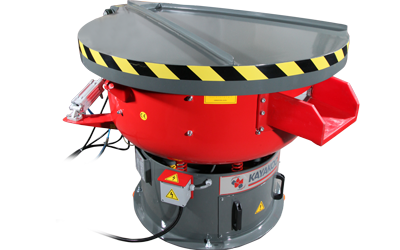
For most laser cut sheet metal parts in the small to medium size range, circular vibratory machines such as the KAYAKOCVIB KVM series are a practical and flexible solution. The circular bowl geometry creates a continuous rolling mass of media and parts, providing uniform contact on flat edges and contoured profiles. Batch sizes can be adjusted based on part weight and bowl capacity.
For long flat parts such as structural rails, profiles, or elongated brackets, trough vibratory machines are preferred. The linear trough geometry allows long parts to move along the media mass without folding or bending, reducing the risk of part-on-part impact damage.
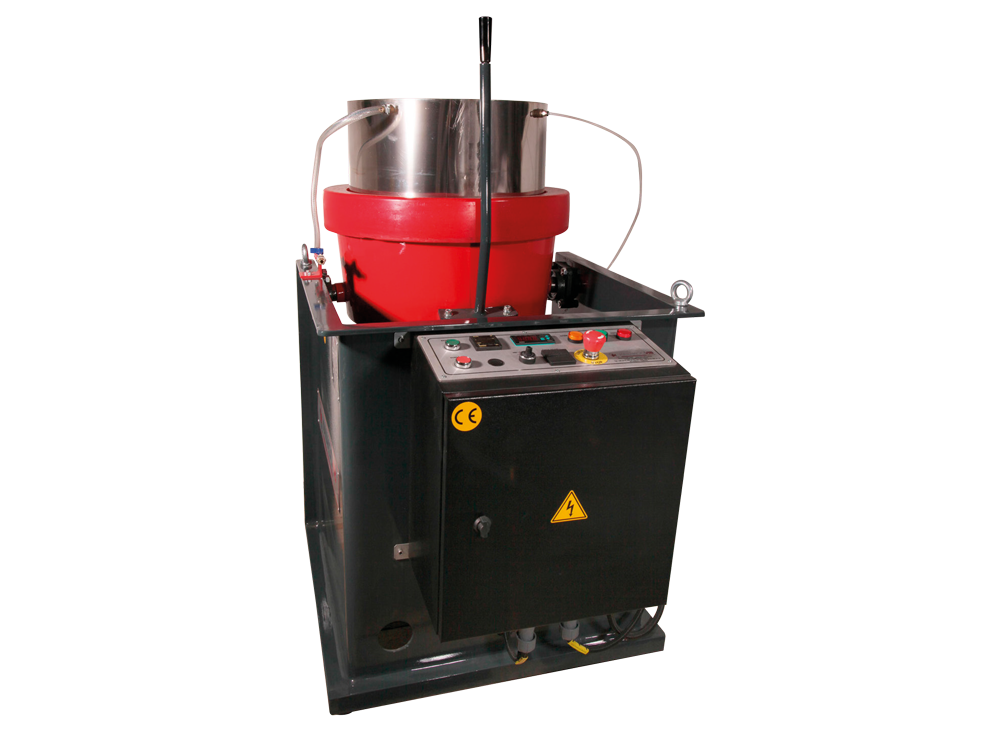
When edge rounding must be precisely controlled and cycle time is a production constraint, centrifugal disc finishing machines such as the KAYAKOCVIB KSM series provide significantly higher process intensity than vibratory machines. The rotating disc at the base of the process chamber accelerates the media-part mass, producing faster and more consistent edge rounding. This option is well suited for smaller precision parts where throughput and edge uniformity are both important.
Media Selection for Steel, Stainless Steel, and Aluminum
Media selection is one of the most influential process variables when deburring laser cut parts. The wrong media type can cause surface scratching, insufficient burr removal, or excessive material loss on thin-section parts.
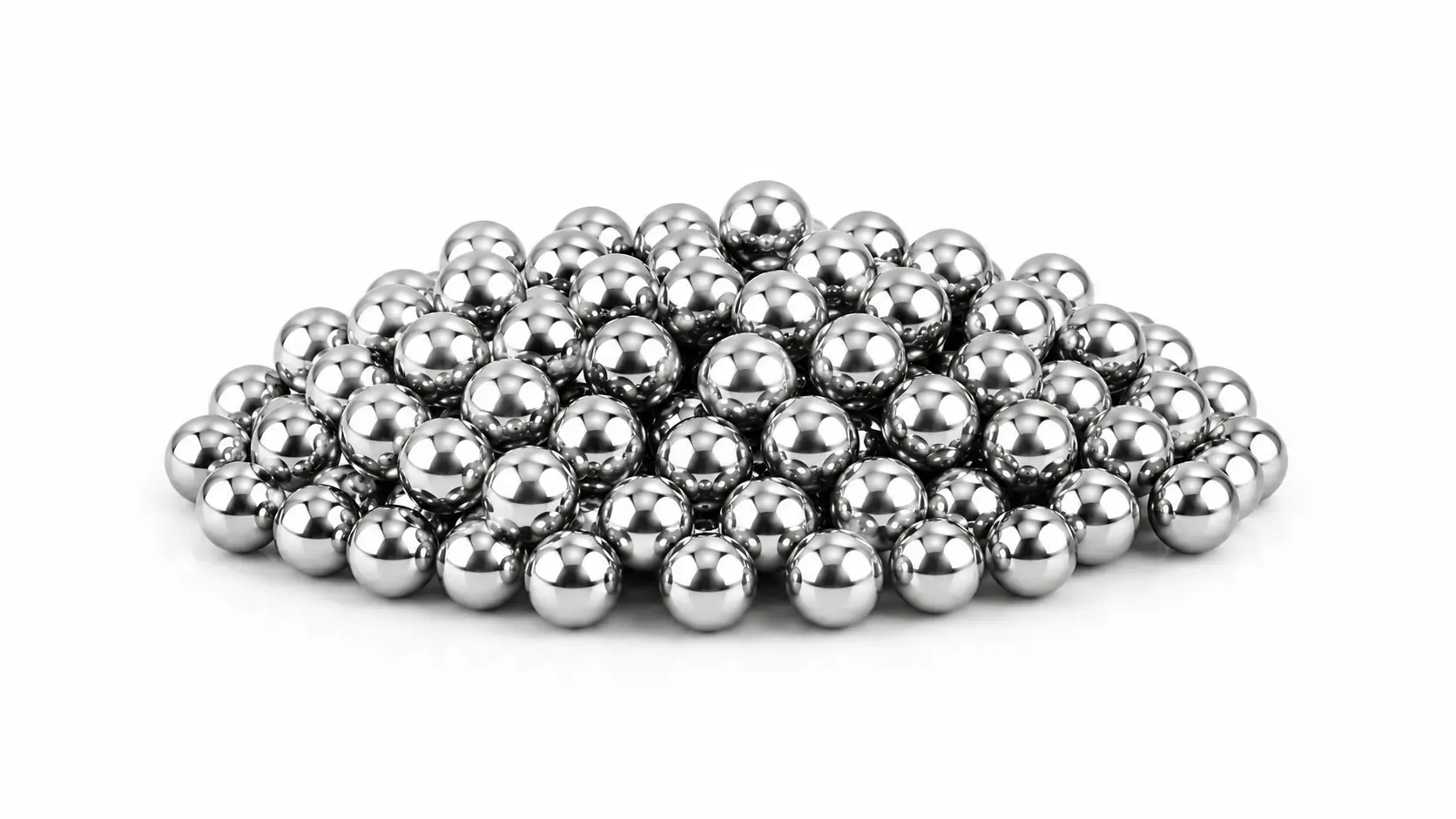
For steel and stainless steel laser cut parts, ceramic media is generally the correct choice. Ceramic media provides the cutting energy needed to remove the hardened oxide layer on the cut edge, break down dross deposits, and produce a defined edge radius. Ceramic media is available in multiple shapes including triangles, cylinders, cones, stars, and wedges. Shape selection depends on part geometry and the need to reach inside corners, holes, or recessed profiles without lodging.
For aluminum laser cut parts, plastic media is generally preferred. Aluminum is softer than steel and more sensitive to surface marking. Plastic media provides a gentler cutting action while still effectively removing the oxide layer and micro-burrs produced by laser cutting. Plastic media also reduces the risk of embedding ceramic particles into the aluminum surface, which could compromise coating adhesion or cause corrosion.
Media size must be selected so that the media cannot lodge inside holes, slots, or narrow cutouts in the part geometry. A general engineering rule is that media must be larger than the smallest hole or slot in the part by a safe margin, and process validation testing must confirm that no lodging occurs before production release.
Compound Selection and Process Chemistry
Finishing compound is used in wet mass finishing to lubricate contact between media and parts, maintain pH control, prevent rust during processing, and flush removed material out of the working chamber. Compound selection must be matched to the base material.
For steel and stainless steel laser cut parts, a deburring and polishing compound such as KAYAKOCVIB 943 is appropriate. This type of compound supports active cutting, prevents surface re-deposition of removed material, and provides mild rust inhibition during the process.
For aluminum laser cut parts, a compound such as KAYAKOCVIB 085 is more appropriate. This compound type is formulated for non-ferrous metals, providing controlled cutting without aggressive brightening or chemical attack on the aluminum surface.
A degreasing compound such as KAYAKOCVIB 028-S is used when parts carry machine oil, cutting lubricants, or surface contamination that would interfere with the finishing action. In some applications, a brief pre-wash cycle with a degreaser is run before the main finishing stage to clean parts before the deburring media contact begins.
Key Process Parameters and Their Effect on Edge Quality
Process parameters directly control the edge radius produced, the surface roughness after finishing, and the cycle time required. These parameters must be validated through sample testing before committing to production settings.
Vibration amplitude and frequency in vibratory machines determine the contact pressure between media and parts. Higher amplitude increases cutting action and reduces cycle time but may also increase part-on-part contact on delicate thin-section components. Rotational speed in centrifugal disc machines has a similar function: higher speed produces more intensive media contact and faster edge rounding, but requires careful evaluation for fragile part geometries.
Water flow rate and compound concentration affect compound distribution, surface cleanliness, and cutting rate throughout the cycle. Insufficient water flow can allow compound concentration to build up and leave residue on parts. Excessive dilution can reduce cutting efficiency and extend cycle time.
Cycle time must be long enough to remove the oxide layer and produce a defined edge radius on all surfaces of all parts in the batch. Under-processing leaves sharp edges and visible oxide on some parts. Over-processing causes excessive material removal on thin features and may change part tolerances on precision components. The correct cycle time for deburring laser cut parts in a given application must be established through timed sample tests with measurement of edge radius and surface roughness at regular intervals.
Production Line Integration
In high-volume production environments, deburring laser cut parts is integrated into a continuous or semi-continuous finishing line rather than operated as a standalone batch process. A typical integrated line includes the finishing machine, an automatic separation system, a washing station, and a drying unit.
Automated separation units connected directly to the finishing machine outlet allow continuous discharge of finished parts without manual intervention. Parts flow from the separator to a washing station where residual compound and fine particles are removed with clean water or a mild washing solution. After washing, parts enter a vibratory dryer loaded with corncob granules or similar drying media, which absorbs surface moisture quickly without heat damage to the parts.
For stainless steel or carbon steel parts where rust prevention is important, a rust inhibitor may be applied in the final rinse or drying stage. Wastewater from the washing and finishing stages is typically collected and processed through a wastewater treatment unit before disposal or reuse, which supports environmental compliance and reduces water consumption in the finishing line.
Quality Control and Inspection Points
Quality control for deburring laser cut parts should include inspection at multiple points in the finishing process, not only after the final drying stage.
Before finishing, incoming parts should be checked for dross height, edge condition, and any geometric features that could create media lodging risk. During the finishing cycle, sample parts should be pulled at defined intervals to confirm that edge rounding and oxide removal are progressing as expected. After finishing, a representative sample from each batch should be measured for edge radius, surface roughness Ra, and visual surface condition.
For applications with strict edge radius tolerances, contact profilometry or optical edge measurement may be required. For applications where coating adhesion is the primary quality driver, surface cleanliness testing and adhesion testing on finished samples are recommended before production approval is granted.
Frequently Asked Questions
Can all types of burrs from laser cutting be removed in a vibratory machine?
Most micro-burrs, oxide layers, and light dross deposits from laser cutting can be effectively processed in vibratory or centrifugal finishing machines. However, heavy dross deposits or thick slag attached firmly to the cut edge may require mechanical pre-treatment or manual cleaning before mass finishing can achieve a consistent result. Process validation through sample testing is the correct method to determine whether pre-treatment is needed for a specific material and laser cutting condition.
Is it possible to process aluminum and steel laser cut parts in the same batch?
Processing aluminum and steel parts together in the same batch is generally not recommended. Contact between dissimilar metals during finishing can cause galvanic contamination, surface marking on the aluminum, and embedding of steel particles into the aluminum surface. Separate batches with appropriate media and compound selection for each material group will produce more consistent and reliable results.
How is the correct edge radius confirmed after vibratory finishing?
Edge radius is typically confirmed using contact profilometry, optical measurement systems, or visual reference standards depending on the application requirements. Sample parts should be measured at representative edge locations, including inside corners and short linear edges, not only on long straight edges where the media contact is most consistent. Measurement frequency and acceptance criteria should be defined in the process specification before production begins.
Related Process Equipment
Related Video Demonstration
Conclusion
Deburring laser cut parts is a well-defined engineering challenge with multiple viable process routes depending on part material, geometry, burr type, and production volume. Vibratory finishing with ceramic media and appropriate compound chemistry addresses the majority of steel and stainless steel laser cut components effectively. Aluminum laser cut parts require plastic media and compound chemistry matched to non-ferrous processing conditions. For high-precision small parts or short cycle time requirements, centrifugal disc finishing provides higher process intensity with good edge radius control. Machine selection, media geometry, compound chemistry, and process parameters must all be validated through sample testing before production release. Integrating the finishing process into a complete line with separation, washing, and drying stages supports consistent output quality and efficient throughput in volume production environments.
Sorry, the comment form is closed at this time.