09 Aug Automotive Fastener Finishing
Automotive fastener finishing using vibratory processes covers deburring, edge rounding, and surface smoothing for steel, stainless steel, and aluminum fasteners in high-volume production environments....



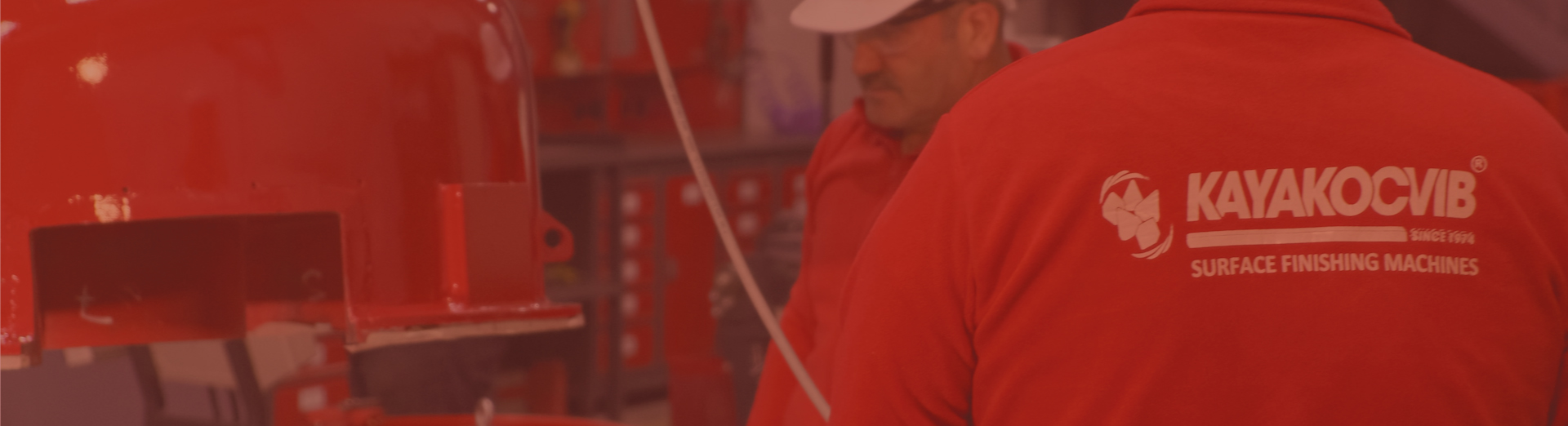
Automotive fastener finishing using vibratory processes covers deburring, edge rounding, and surface smoothing for steel, stainless steel, and aluminum fasteners in high-volume production environments....
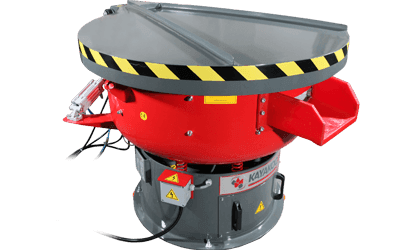
Edge rounding for automotive metal parts requires precise media selection, machine settings, and process validation to meet functional and quality requirements across steel, aluminum, and mixed-metal components....
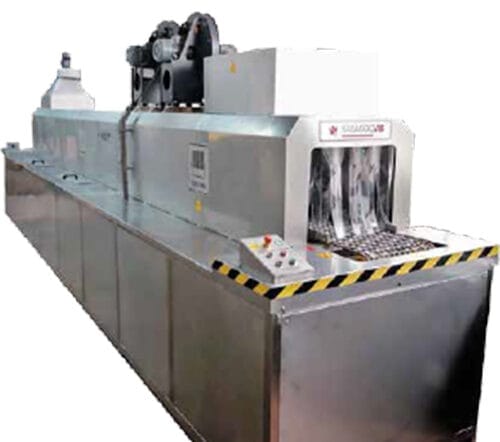
Automated finishing lines for automotive suppliers cover deburring, edge rounding, and surface preparation of steel, aluminum, and mixed-metal components at production volume with consistent, repeatable results....
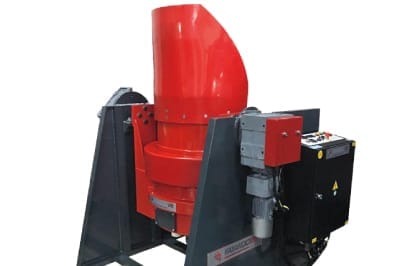
Automated deburring reduces labor costs and improves consistency in automotive supply chains. This article covers process selection, machine types, media, and ROI factors....
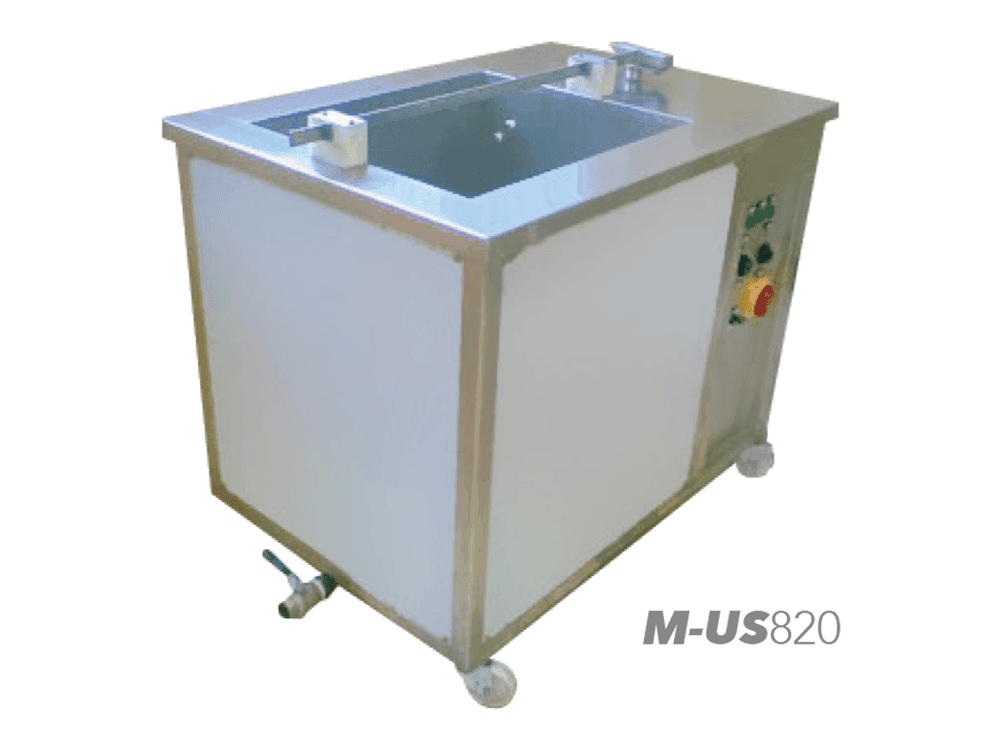
Washing and drying automotive parts after deburring requires matched cleaning and drying stages to remove media residue, compounds, and chips while protecting surface quality for downstream processes....
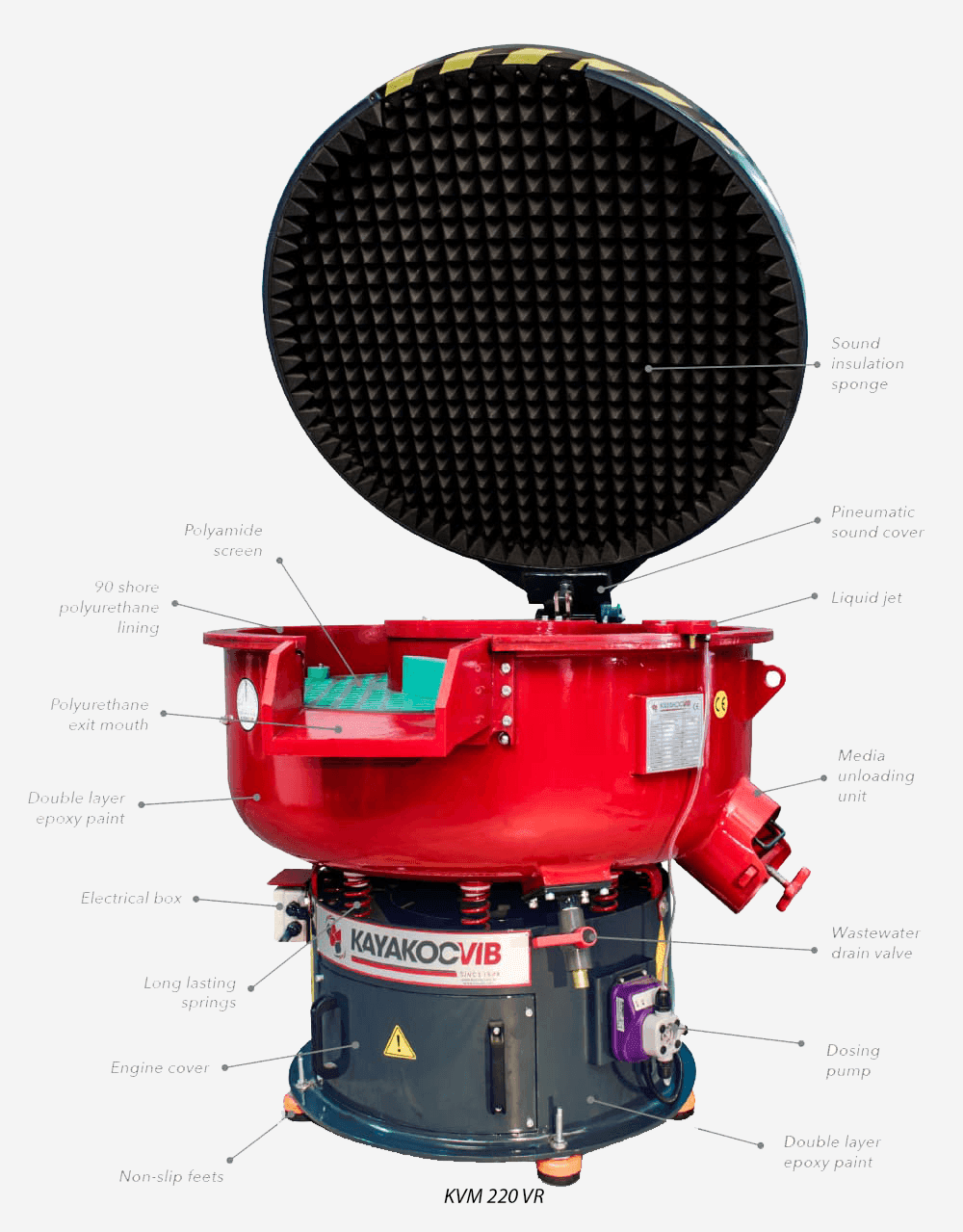
Automotive finishing quality control covers process parameters, machine selection, media and compound logic, and inspection requirements for consistent surface results in high-volume production....
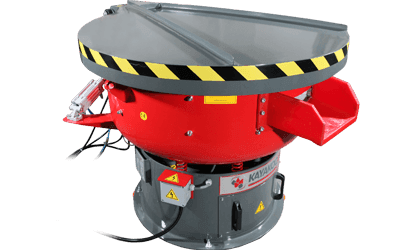
A practical engineering guide for selecting the right finishing system for automotive parts, covering machine type, media, process parameters, and production integration....
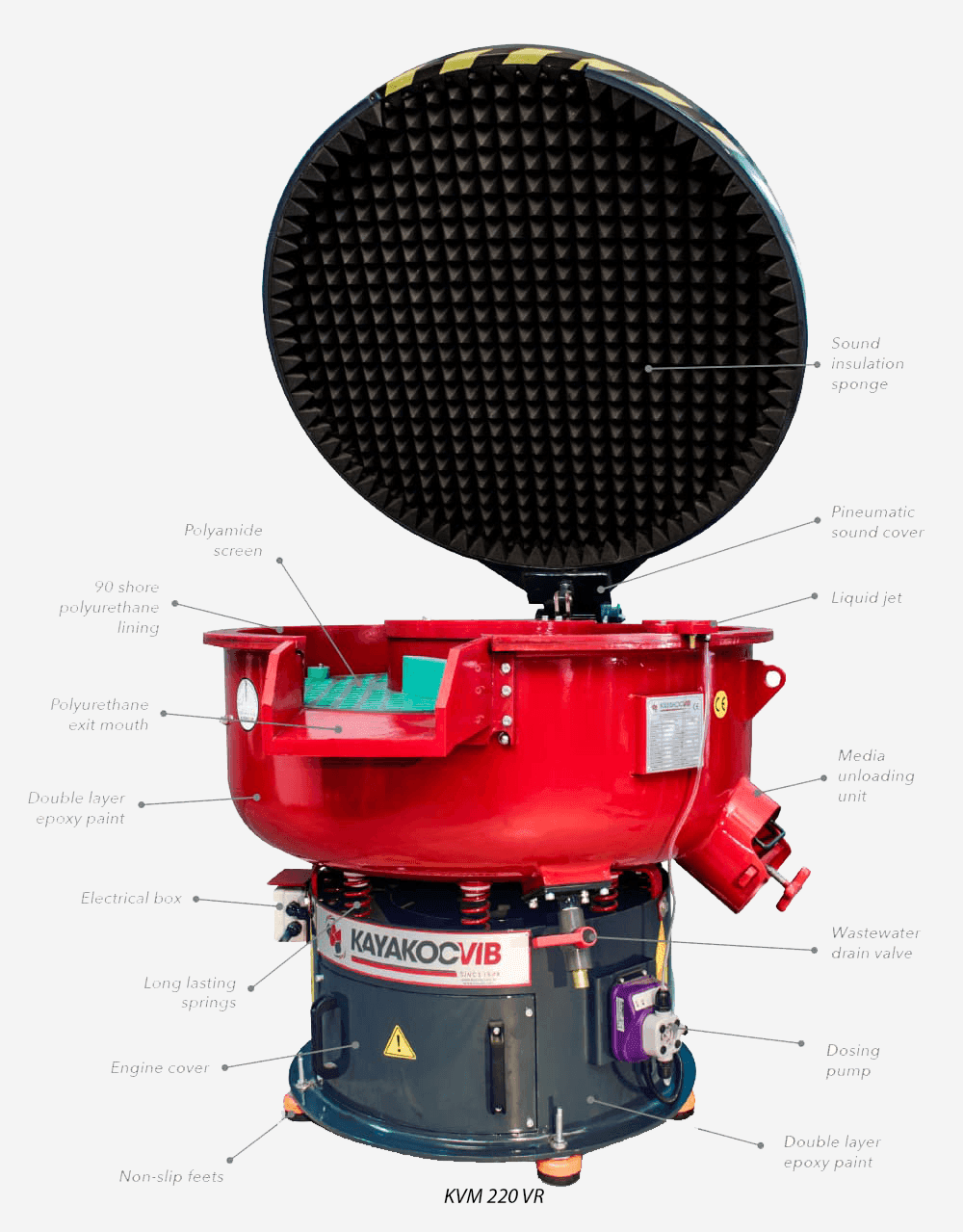
Protecting tolerances during CNC part deburring requires careful media selection, machine choice, and process control. This reference covers the key engineering variables that determine whether deburring preserves or compromises part dimensions....
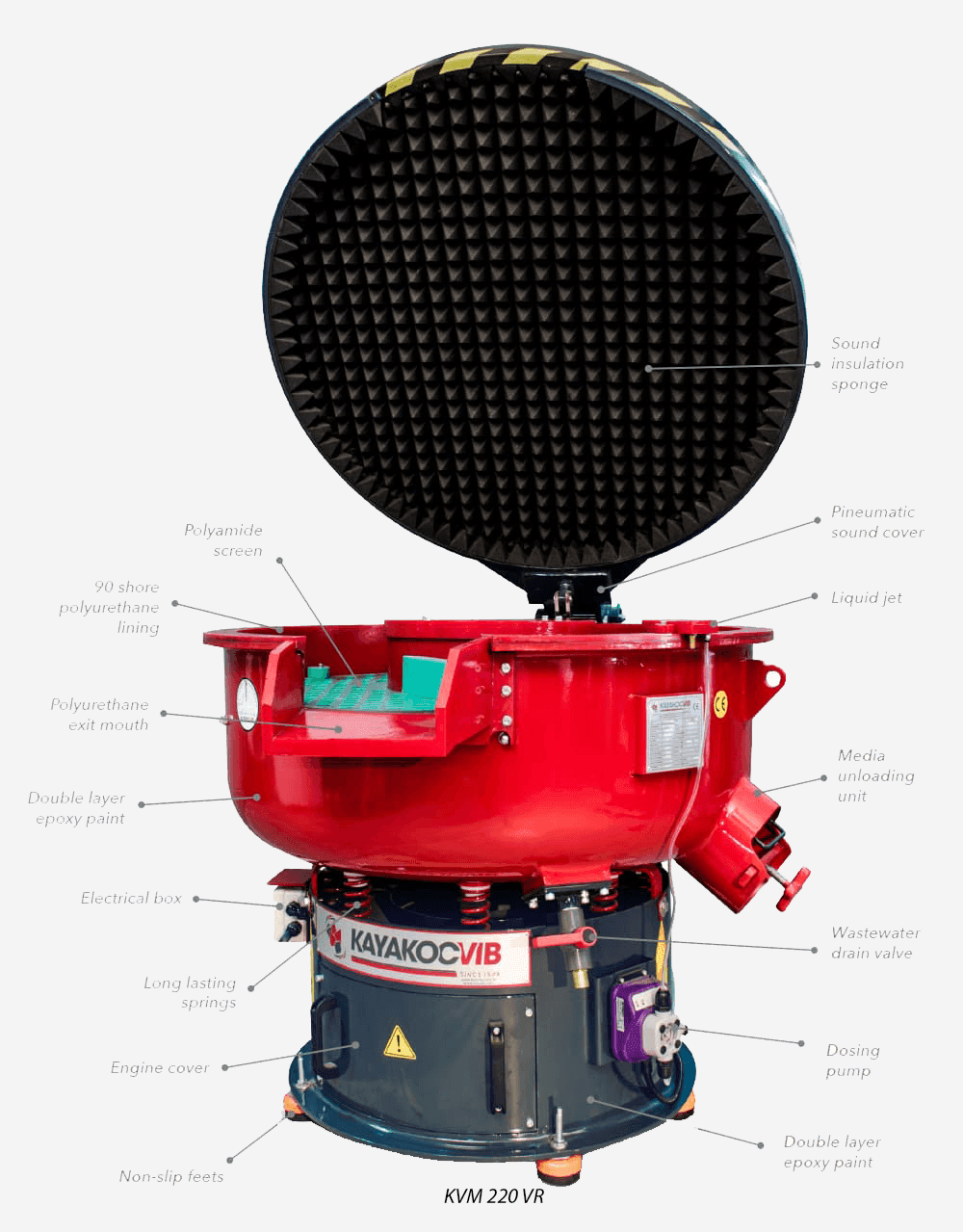
Accurate batch capacity calculation for vibratory finishing of CNC parts prevents underloading, overloading, and inconsistent surface results across production cycles....