



24 Jun Degreasing Before Deburring
Degreasing before deburring is a preparatory step that directly affects the reliability of any mass finishing operation. When machined, stamped, or formed metal parts arrive at the finishing stage carrying oils, coolants, chips, or drawing compounds, these contaminants interfere with media cutting action, reduce compound effectiveness, and can cause staining or inconsistent surface results. Understanding why this step matters and where it fits in the production sequence helps process engineers avoid quality problems that are difficult to trace back to their source.
In This Article
Why Surface Contamination Disrupts Deburring Performance
Metal parts produced by CNC machining, stamping, die casting, or cold forming almost always carry some level of surface contamination. Cutting oils, coolant residues, hydraulic fluids, drawing lubricants, and loose metal chips are common. These residues do not simply wash off during vibratory or centrifugal finishing. Instead, they interact with the finishing compound and the process water in ways that reduce effectiveness.
Oil films on part surfaces create a barrier that partially repels water-based finishing compounds. Instead of the compound reaching the metal surface to assist cutting and prevent re-deposition of debris, the oil film traps contamination against the part. This can cause uneven deburring, grey smearing on aluminum, dark staining on steel, or a finish that looks inconsistent from one part to the next even within the same batch.
Loose chips are a separate risk. Chips carried into the deburring machine can become lodged in recesses or threaded holes, cause scratching on polished surfaces, or contribute to media breakdown if they accumulate in the finishing bowl. Removing chips and bulk contamination before deburring eliminates this risk from the process.
Where Degreasing Sits in the Process Sequence
In a well-designed finishing line, degreasing before deburring is not an optional step. It defines the entry condition of the part. The general sequence for most CNC machined or stamped metal parts follows this logic:
- Machining, stamping, or forming operation produces the part with burrs, sharp edges, and surface contamination.
- Chip removal and bulk rinsing remove loose material and excess coolant from the part surface.
- Degreasing removes residual oil films, drawing lubricants, and machining fluids from the metal surface.
- The degreased part enters the deburring machine with a clean, receptive surface condition.
- Finishing compound acts directly on the metal surface, supporting media cutting action and preventing re-deposition.
- Post-finishing washing removes compound residue and finishing debris from the part surface.
- Drying completes the process before inspection, coating, or packaging.
Skipping or shortening step three pushes the contamination problem into the finishing machine. The compound then must work simultaneously as a degreaser and a process chemical, which it is generally not formulated to do efficiently. The result is typically longer cycle times, higher compound consumption, inconsistent surface quality, and increased machine maintenance.
Degreasing Methods Used Before Deburring
The appropriate degreasing method depends on the type and degree of contamination, the part material, the part geometry, and the production volume. The most common industrial methods are aqueous washing, ultrasonic cleaning, and in-process pre-degreasing using a dedicated compound stage.
Aqueous pressure washing systems are suitable for parts with moderate oil contamination and accessible surface geometry. Hot water combined with an alkaline degreasing agent effectively removes most machining oils and coolant residues from steel, stainless steel, and aluminum parts. Pressure washing also removes loose chips efficiently. For high-volume production, inline washing conveyors can be integrated before the finishing machine to automate this step.
Ultrasonic cleaning is more appropriate for parts with complex geometry, blind holes, undercuts, or precision surfaces where residue in inaccessible areas would affect the finishing result. The cavitation action of ultrasonic cleaning reaches areas that spray washing cannot, making it relevant for medical components, aerospace precision parts, and small precision CNC parts where contamination in recesses must be eliminated before deburring.
In some production environments, a short pre-degreasing stage is run inside the finishing machine itself before the main deburring cycle. This approach uses a diluted degreasing compound with the finishing media for a short period to remove surface oils before switching to the main deburring compound. While practical in some settings, this approach extends total cycle time and is generally less effective than a dedicated external washing stage for heavily contaminated parts.
Compound Selection for the Deburring Stage After Degreasing
Once parts arrive at the deburring machine in a clean condition, compound selection can focus entirely on the deburring and surface finishing objective rather than compensating for contamination. The compound interacts with the media, the part surface, and the process water to support cutting, prevent rust or staining, maintain cleanliness inside the machine, and produce the target surface condition.
For steel and stainless steel parts, ceramic media combined with a deburring and polishing compound such as 943 is a typical starting point. Ceramic media provides the cutting force needed for steel burr removal, and the compound maintains process water cleanliness while assisting edge rounding and surface refinement.
For aluminum, zamak, and softer non-ferrous parts, plastic media is generally preferred because it is less aggressive and reduces the risk of surface damage on softer materials. A compound such as 085 deburring and polishing liquid is commonly used with plastic media for these materials. The compound supports cutting without staining the aluminum surface.
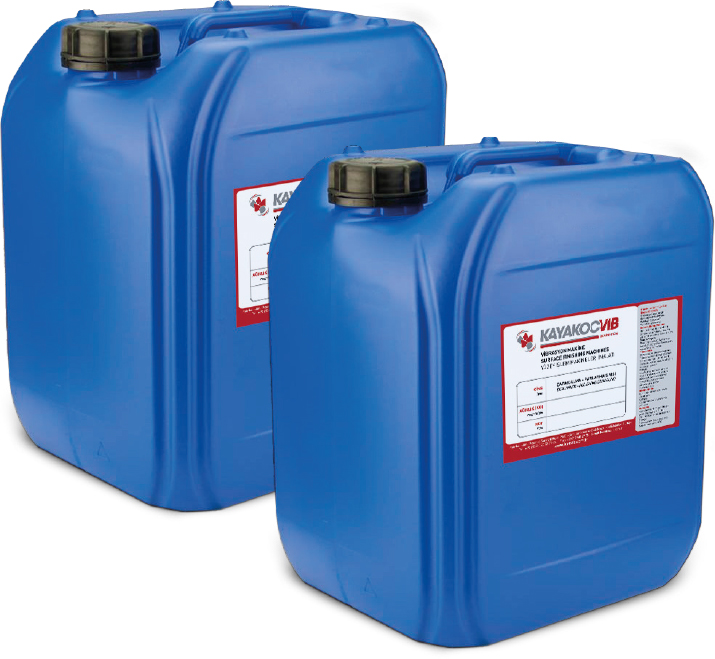
For both material groups, the 028-S degreasing liquid may be used when light degreasing during the finishing cycle is still required, for example when parts arrive with a thin residual film that was not fully removed in the pre-wash stage. However, 028-S is a support chemical rather than a substitute for dedicated pre-degreasing before deburring.
Process Parameters That Connect Degreasing Quality to Deburring Results
The relationship between the pre-degreasing quality and the deburring outcome is directly visible in several measurable process parameters. Engineers troubleshooting inconsistent deburring results should evaluate these connection points:
| Parameter | Effect of Poor Pre-Degreasing | Expected Result After Proper Degreasing |
|---|---|---|
| Compound consumption | Higher consumption due to emulsification of oil contamination | Compound performs at specified dosing rate |
| Process water condition | Rapid darkening, foaming, oil slick on surface | Stable process water, consistent foam level |
| Surface appearance | Grey smearing on aluminum, dark patches on steel | Uniform deburring and consistent surface tone |
| Media condition | Accelerated media glazing from oil film buildup | Media retains cutting ability throughout cycle |
| Cycle time to target surface | Extended cycle required to achieve target edge condition | Consistent cycle time achievable |
| Post-finishing staining risk | Elevated staining risk, especially on aluminum | Reduced staining risk with clean part entry |
Media glazing is one of the less obvious consequences of inadequate pre-degreasing. When oil films accumulate on ceramic or plastic media over multiple production cycles, the abrasive surface of the media becomes coated and loses cutting efficiency. This forces longer cycle times and eventually requires media replacement or media cleaning earlier than the expected service life.
Machine Selection Considerations When Degreasing Is Part of the Line
For production lines where degreasing before deburring is a formal process step, machine selection should account for how washing, degreasing, finishing, and drying stages connect to each other. The finishing machine type influences how easily the line can be integrated.
Circular vibratory finishing machines such as the KAYAKOCVIB KVM series are well suited for CNC machined parts, fasteners, stamped components, and general precision parts where a washing stage upstream can feed directly into the vibratory machine via automation. The KVM machines handle aqueous compound systems efficiently and support integration with inline washing and drying equipment.
For long parts or large components that require a pre-wash step before entering a trough-type machine, the KAYAKOCVIB TVM series trough vibratory machines follow the same logic. The flat trough geometry handles elongated parts without part-on-part impact, and the machine can be connected to upstream washing and downstream drying units in a complete line layout.
For high-precision small parts where pre-degreasing is particularly important to achieve tight surface quality targets, centrifugal disc machines such as the KAYAKOCVIB KSM series offer high process intensity and short cycle times. When parts arrive properly degreased, the KSM machine can apply its full centrifugal force to edge rounding and surface refinement rather than working against surface contamination.
Production Risks When the Degreasing Step Is Skipped or Inconsistent
In production environments under time pressure, the pre-degreasing step is sometimes reduced or skipped to increase throughput. The consequences usually appear as quality complaints rather than obvious process failures, which makes the root cause harder to identify quickly.
Common production risks from skipping degreasing before deburring include batch-to-batch variation in surface appearance, rejected parts due to staining or incomplete edge rounding, increased finishing compound costs, shortened media service life, and process water that requires more frequent replacement. In automotive or aerospace applications where surface condition must meet inspection criteria, these variations can result in rework or scrapped batches.
Mixed-material batches are a particular risk. If aluminum and steel parts are processed together without adequate pre-degreasing, iron particles from steel can deposit on aluminum surfaces, causing discoloration that is difficult to remove in post-finishing operations. Proper pre-degreasing, combined with correct media and compound selection, reduces this risk, though mixing aluminum and steel in the same batch should generally be avoided regardless of degreasing quality.
Frequently Asked Questions
Does degreasing before deburring add significant production time?
A dedicated pre-wash or spray degreasing stage typically adds only a few minutes per batch cycle. In most cases, the time saved by more consistent deburring cycles and reduced rework far exceeds the added time at the degreasing stage. For high-volume lines, inline washing automation eliminates manual handling time entirely.
Can the finishing compound replace a dedicated degreasing step?
Standard deburring compounds are formulated to maintain process water cleanliness and support media cutting action, not to remove heavy oil contamination. Using them as a substitute for pre-degreasing results in higher compound consumption and inconsistent surface results. A dedicated degreasing step before the finishing stage allows the finishing compound to perform at its designed concentration and dosing rate.
What degreasing method is best for aluminum parts before vibratory deburring?
For aluminum parts, alkaline aqueous washing at moderate temperature is typically effective and safe. Strong acidic degreasers should be avoided because they can etch or discolor the aluminum surface before it enters the finishing machine. Ultrasonic cleaning with a pH-neutral degreasing solution is an alternative for parts with complex geometry. The specific degreasing agent and temperature should be validated against the alloy and surface condition of the part.
How does chip contamination affect vibratory deburring if parts are not pre-cleaned?
Loose chips carried into the vibratory machine can scratch polished surfaces, accumulate in the finishing bowl, and cause localized damage on soft materials such as aluminum. Chips from steel machining carried into an aluminum finishing batch are particularly problematic because iron particles can transfer to aluminum surfaces and cause brown discoloration. Chip removal before degreasing and deburring is a basic requirement for consistent surface quality.
Related Process Equipment
Conclusion
Degreasing before deburring is not a preparatory formality. It is a process control point that directly determines whether the deburring stage can perform consistently. Oil films, machining residues, and loose chips all interfere with compound action, media cutting efficiency, and final surface appearance. When parts arrive at the deburring machine in a clean, oil-free condition, the compound and media can perform at their designed parameters, cycle times become predictable, and surface quality becomes repeatable across batches. For process engineers evaluating inconsistent deburring results, the entry condition of the part is often the first variable to examine. Establishing a reliable degreasing step before the finishing stage is one of the most cost-effective improvements available in a mass finishing operation.
Sorry, the comment form is closed at this time.